Kansas City Goes All-In on Apple: A Public School System Ditches Windows and Chromebooks
Kansas City Public Schools (KCPS) will swap out 30,000 Windows PCs and Chromebooks for Apple devices, aiming to become an “all-Apple district.” The district’s own announcement came after Apple’s Q2 2026 earnings call referenced the deal, and KCPS’s website now confirms a full-scale transition—one of the largest K-12 technology pivots in recent memory, according to 9to5Mac.
This isn’t just a device refresh. KCPS is abandoning two market-dominant platforms in favor of a single-vendor approach, betting that Apple’s hardware and software integration will pay off in classroom learning and IT management.
Breaking Down the Numbers: Scale and What’s Actually Changing
The headline number—30,000 devices—puts KCPS at the high end of district-scale tech deployments. While specifics on device type, rollout schedule, or total contract value remain undisclosed, the magnitude alone signals a multi-year commitment with ripple effects for procurement, training, and support. The district has not published a breakdown of how many devices will go to students versus staff or which Apple models will be in play.
From what’s public, the transition covers the full existing fleet of Windows PCs and Chromebooks. That means the shift will touch every classroom, office, and potentially every student. At this scale, the move implies a top-down mandate: KCPS wants a unified technology stack across its entire operation.
What’s missing: any detail on deployment logistics, support contracts, or software migration. Without a public budget or technical roadmap, the real costs—financial and operational—are still a black box.
Stakeholder Implications: Winners, Losers, and Unanswered Questions
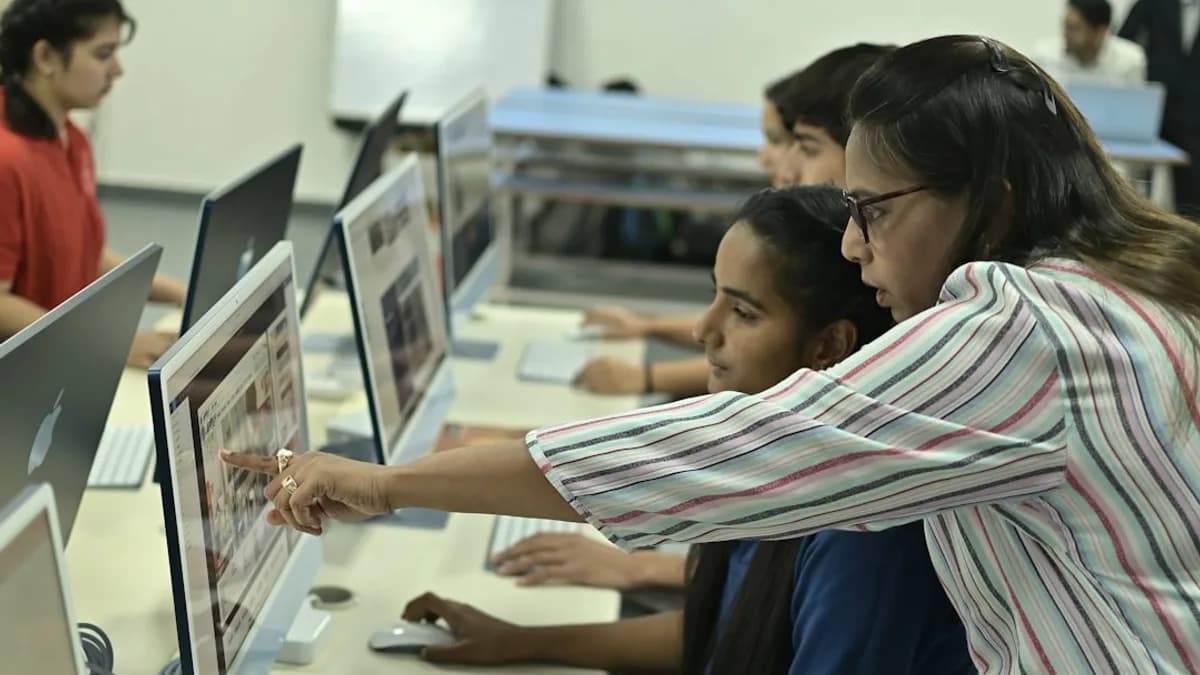
Teachers and students will face a steep adjustment curve. Moving from two familiar platforms to Apple’s ecosystem means new workflows, new apps, and new support issues. For IT administrators, the transition could mean less device fragmentation but a rush of compatibility and management headaches during rollout.
Apple, on the other hand, gets a marquee deal it can point to in education sales pitches. For Windows and Chromebook vendors, KCPS’s exit is a clear loss—30,000 seats gone overnight. But until the district shares feedback from classrooms and tech staff, the net benefit for end users remains speculative.
How This Transition Compares to Past Education Tech Swaps
District-scale platform shifts aren’t new—Chromebooks swept through U.S. schools in the last decade, sparking both praise for cost and criticism for limitations. What sets KCPS apart is the totality: few large districts have replaced both Windows and Chrome OS with Apple in one stroke.
The strategic rationale is familiar: standardize tools, simplify support, and aim for better learning outcomes through platform consistency. Whether Apple’s closed ecosystem delivers on those promises, especially compared to the open, low-cost appeal of Chromebooks, is an experiment KCPS is now running in real time.
What This Could Mean for Educational Technology Procurement
If KCPS’s gamble pays off, other districts will be watching. A successful deployment could nudge education buyers toward Apple, especially in mid-sized or urban districts with resources to manage a wholesale transition. But without data on costs, teacher training, or student outcomes, the case for following KCPS’s lead remains unproven.
The move could also reshape conversations around device lifecycle, software compatibility, and curriculum integration. If Apple can show gains in security, reliability, or learning impact, its position in K-12 procurement could strengthen. Conversely, a rocky rollout could reinforce arguments for platform diversity and open standards.
Predicting Long-Term Outcomes: What’s at Stake
KCPS’s decision sets up a district-wide experiment with national visibility. If Apple devices drive measurable improvements in student engagement, digital literacy, or operational efficiency, the payoff for the district could be huge. But the risks—training gaps, hidden costs, and user resistance—are equally real.
Sustainability is another open question. Maintaining a 30,000-device Apple fleet means staying current on hardware, software, and support, all at Apple’s price points. If KCPS can’t keep up, tech debt and user frustration could mount fast.
What Remains Unclear and What to Watch
The district hasn’t released a line-item budget, rollout calendar, or outcome metrics. We don’t know how much training teachers will get, how students will adapt, or how legacy software will be replaced. The coming months should reveal whether the transition is smooth or turbulent.
Watch for follow-up reporting from KCPS on deployment benchmarks, teacher and student feedback, and any early indicators of classroom impact. Concrete evidence—good or bad—will determine whether KCPS’s all-Apple experiment becomes a blueprint or a cautionary tale for the next wave of K-12 tech procurement.
Impact Analysis
- This marks one of the largest K-12 tech transitions toward a single-vendor Apple ecosystem in the US.
- Switching platforms will affect classroom routines, IT support, and training for thousands of students and staff.
- The move could set a precedent for other large districts considering unified device strategies.