Why AI-Powered Smart Glasses Could Redefine Wearable Technology in 2026
Samsung and Google just put the industry on notice: their joint AI-powered smart glasses, shown at Google I/O 2026, signal that XR wearables are moving out of the lab and into the mainstream. The partnership ropes in Gentle Monster and Warby Parker for design credibility, aiming to make smart glasses something people actually want on their faces. According to Gsmarena, these glasses run Android XR and emphasize AI at the core—a clear shift away from the notification-heavy, utility-first approach that doomed earlier wearables.
This launch isn’t just about hardware. It’s a bet on context-aware computing: letting AI interpret your environment, needs, and habits to surface relevant information when you need it, no phone required. If Samsung and Google get this right, expect a new era of hands-free productivity, navigation, and communication—without the stigma or clunkiness of the last generation.
Breaking Down the Tech: What We Know About Samsung and Google's AI Smart Glasses Features
Details remain sparse, but the companies did tease several headline features. The glasses will ship in two designs—one by Gentle Monster, the other by Warby Parker—targeting style and mass appeal, not just tech enthusiasts. Both variants run Android XR, Google's platform for extended reality.
While neither Samsung nor Google released full hardware specs, the announcement focused on AI integration as the defining trait. Based on the source, the glasses will deliver experiences powered by Google’s software and Samsung’s hardware, but specifics like battery life, display type, or sensor suite are still off the table. The companies did not confirm rumored features like real-time translation, contextual overlays, or advanced voice controls.
What distinguishes this launch is the explicit collaboration with established eyewear brands. By splitting design duties, the goal is to court users who care as much about aesthetics as about innovation—a lesson learned from Google Glass’s early missteps.
The Numbers Behind the Innovation: Market Data and Projected Growth for AI Wearables
The source does not include hard numbers on market size, adoption rates, or projected revenue impact for Samsung, Google, or their partners. Without these figures, it’s impossible to quantify how these smart glasses compare to prior launches in terms of market risk or expected demand.
What is clear: Samsung’s scale and Google’s platform reach mean this is not a boutique experiment. Both companies have the resources and distribution muscle to push XR wearables well beyond niche status—if they can deliver a product that blends utility and style. For now, the most concrete data point is the fact of the collaboration itself and its timing at Google I/O, signaling strategic priority.
Diverse Stakeholder Perspectives: What Consumers, Industry Experts, and Competitors Are Saying
Neither Gsmarena nor Samsung have published consumer reactions, expert commentary, or competitor statements in connection with this announcement. We’re left to infer the intended audience from the partnership: Gentle Monster’s involvement suggests a push toward fashion-conscious buyers, while Warby Parker’s reputation signals an attempt to normalize smart glasses as everyday wear.
MLXIO analysis: The lack of detailed specs or demos means the industry is still in wait-and-see mode. Privacy, usability, and practical design will be immediate flashpoints whenever more information drops. Given how past AR attempts drew criticism for privacy concerns and impractical looks, Samsung and Google will need to address these head-on.
Tracing the Evolution: How Samsung and Google's Smart Glasses Compare to Past AR Wearables
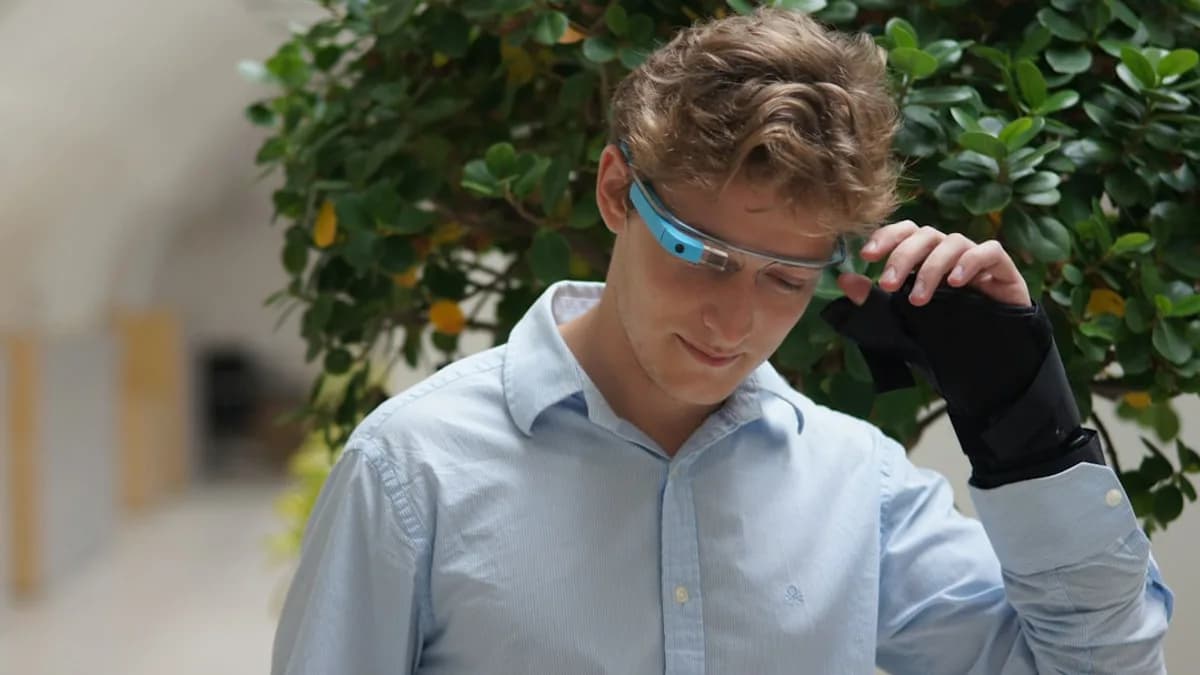
Google’s first smart glasses launch over a decade ago fizzled due to poor design choices and a lack of compelling use cases. This time, the partnership with Gentle Monster and Warby Parker signals a course correction, focusing on style and user acceptance as much as tech specs. The move from Google Glass’s developer-centric rollout to a consumer-first launch is telling.
By leading with AI and context-aware features, Samsung and Google are positioning these glasses as more than just notification delivery vehicles. The question is whether the software can live up to the marketing—and whether users have moved past the “Glasshole” stigma that derailed earlier efforts. The market has seen enough failed prototypes to demand proof, not just promises.
What Samsung and Google's AI Smart Glasses Mean for Consumers and the Wearable Industry
If the AI and XR integration works as pitched, these glasses could change how people interact with digital information. Hands-free access to context-aware assistance could reshape workflows in industries from healthcare to logistics, and make digital augmentation feel less intrusive and more intuitive.
But there are clear risks. Without hardware details or privacy guarantees, it’s unclear how Samsung and Google will navigate the regulatory and ethical challenges that come with always-on cameras and mics. User trust will be won or lost on how these issues are addressed in the final product. The collaboration with mainstream eyewear brands is a smart move toward normalization, but the tech must disappear into the background for true adoption.
Looking Ahead: Predictions for the Future of AI-Driven Wearables Post-Google I/O 2026
With only a high-level feature tease and no specs, the next phase hinges on actual demos, developer access, and third-party app support. The success of these smart glasses will depend on more than just hardware—it will require a robust ecosystem, clear privacy policies, and real-world use cases that go beyond novelty.
What to watch: Will Samsung and Google release hardware specs or developer kits before launch? Will Gentle Monster and Warby Parker’s designs actually appeal to mainstream users? And most critically, will the AI features deliver seamless, context-aware help—or will they feel like a rerun of AR’s past disappointments? The answers to these questions will define not just the fate of this product, but the next chapter of wearable tech.
Why It Matters
- Samsung and Google's partnership could finally bring stylish, AI-powered smart glasses to mainstream consumers.
- The emphasis on context-aware AI marks a shift from previous wearables, promising more useful and less intrusive experiences.
- Collaboration with major eyewear brands aims to overcome the design and adoption hurdles that plagued earlier smart glasses.