Portable Power Stations Become Solar Storage: Bluetti’s Balcony Play
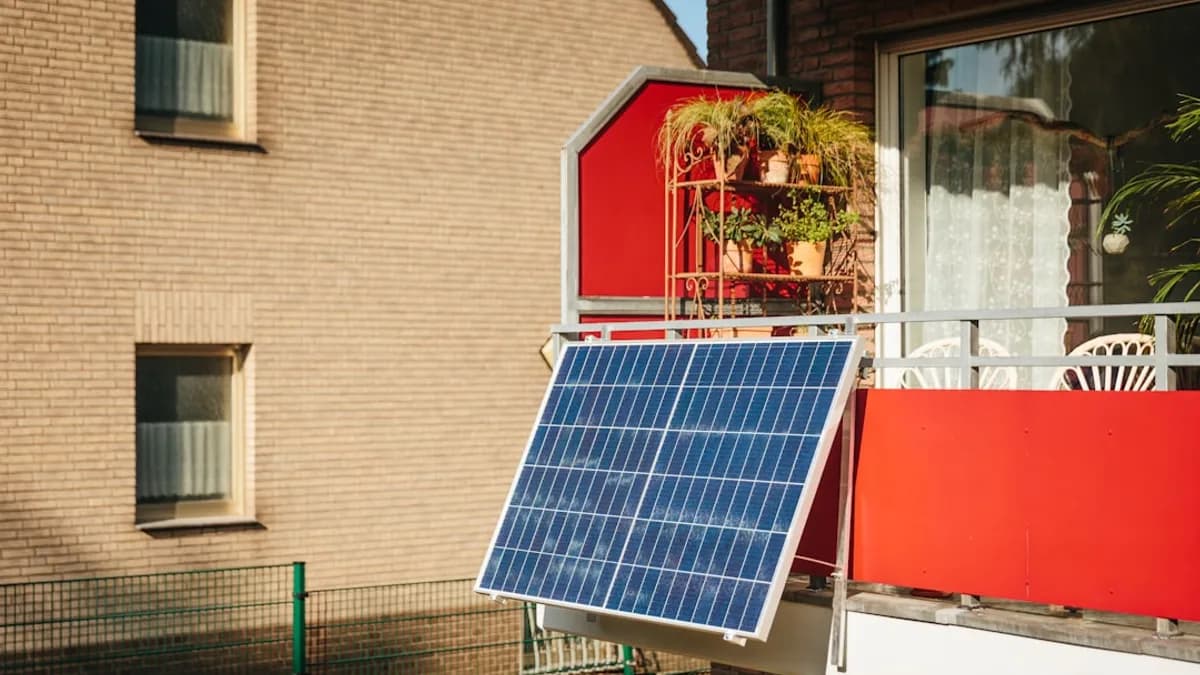
Bluetti’s Transfer Hub shifts the paradigm for small-scale urban solar by turning portable power stations into grid-connected storage for PV balcony systems. Instead of relying on fixed batteries or permanent installations, urban residents can now channel power from their own balcony-mounted solar into mobile battery packs, then feed it back into their apartments’ circuits as needed. This upends the traditional model for distributed solar in dense cities, where space, installation rules, and grid integration have always constrained adoption. Bluetti’s approach, according to Notebookcheck, lets users sidestep those hurdles with simple plug-and-play gear.
Bluetti’s Balco Series: What’s Actually New
The Balco series lands with three products: Balco 260, Balco 500, and the Transfer Hub. Unlike typical balcony solar kits that only generate power during sunlight hours, this lineup enables real storage. The Transfer Hub—the headline feature—acts as a bridge, connecting any portable power station (including non-Bluetti brands, per the company) to a small PV array on the balcony. Stored energy can then be released back to the grid via a standard outlet.
The design means users don’t need a permanent, hardwired battery system. The Transfer Hub integrates with Bluetti’s plug-and-play approach: you connect the PV panels, route output into your portable battery, and the Hub manages safe, grid-compliant discharge. While Notebookcheck’s report doesn’t unpack the technical details, the concept is clear—max flexibility for renters and city dwellers who can’t modify their electrical infrastructure.
Data: What We Know and What’s Still Missing
The source material is thin on hard numbers: no kWh capacities, input/output wattages, or efficiency ratings appear in the official announcement or the Notebookcheck summary. This leaves open questions about storage headroom, charging rates, and how the Balco 260 and 500 differ in real-world use.
What is clear: the Transfer Hub is meant to make any portable battery “grid-tied” in a legal, safe way, and the system is positioned as a simple upgrade for people already using portable power stations. The actual efficiency gains or storage improvements over standard balcony solar remain unquantified in the supplied sources.
Stakeholder Reactions: What We Know and What’s Unclear
Neither the Notebookcheck article nor the official Bluetti release includes consumer feedback or expert commentary. That means we don’t have vetted reactions from early adopters, urban planners, or grid operators. MLXIO’s analysis: the appeal for renters and small-home owners is obvious—no permanent installation, no electrician, no long-term commitment. But without technical specs, it’s unknown how much backup power users can expect, how easy setup truly is, or how well the system integrates with different apartment power environments.
Where This Fits in the Solar Storage Timeline
Bluetti’s approach is a logical evolution from two prior trends: balcony solar kits (already popular in dense European cities) and the surge in high-capacity portable power stations. Up to now, these solutions operated in silos: balcony PV for daytime self-consumption, portable batteries as off-grid backup. The Transfer Hub merges these worlds, effectively letting any modern battery take on the role of a home storage node—without the regulatory and technical complexity of full-blown home battery systems.
Implications for Urban Energy Adoption
This could lower the bar for solar adoption among urban residents. The ability to both store and use solar power without permanent installation addresses two major friction points: regulatory hurdles and upfront cost. If Bluetti’s system is as plug-and-play as promised, city dwellers could meaningfully cut grid reliance, hedge against outages, and reduce their carbon footprint—even in rented spaces. But without hard specs, it’s impossible to judge whether this is a modest backup solution or a serious step toward energy independence.
What Remains Unclear and What to Watch
The central missing piece is technical transparency. What is the real-world storage capacity? How much power can these systems safely push back into an apartment grid? Are there compatibility issues with certain power stations or home wiring setups? Until Bluetti releases detailed specs and field data, these questions loom large.
Watch for hands-on reviews and technical breakdowns in the coming months. Evidence of robust output, user-friendly setup, and smooth grid integration would confirm Bluetti’s disruptive potential. If the system stumbles on efficiency, safety, or actual ease-of-use, the appeal could fade quickly. For now, Bluetti’s Transfer Hub signals a new direction for distributed solar—one that gives urban residents more control, but still leaves plenty of details in the dark.
Why It Matters
- Bluetti’s solution makes solar storage viable for renters and urban residents with installation restrictions.
- The Transfer Hub enables flexible, plug-and-play solar setups without requiring permanent electrical work.
- By allowing stored solar energy to be used anytime, the Balco series overcomes the main limitation of typical balcony solar kits.