Why Motorola’s Pricing Strategy for the Razr Ultra 2026 Sparks Controversy
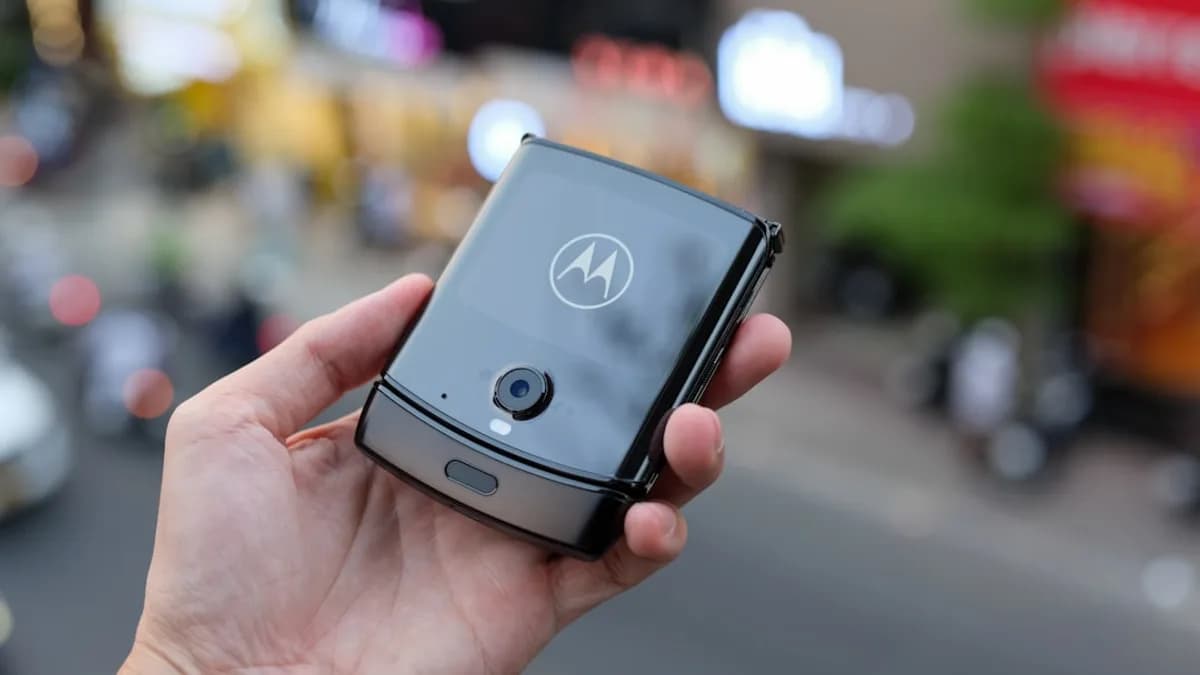
Motorola’s $1,500 price tag for the Razr Ultra 2026 512GB lands like a slap, given nearly identical guts to last year’s model. The 2025 Ultra, now available in a 1TB variant for $800, offers most of the same internals: Snapdragon 8 Gen 2 chipset, similar display form factor, and nearly the same build. The 2026 bumps the main camera sensor (switching to LOFIC for improved low-light performance), slightly brightens the screen (up by 500 nits), and squeezes in a 300mAh battery upgrade. None of these tweaks justify a 70% jump in price.
Consumers expect meaningful leaps between generations—especially when the price rises. Instead, Motorola’s move echoes Apple’s “Pro Max” strategy, but with less justification. The risks are clear: buyers may feel burned, fueling “wait for the fire sale” behavior, eroding brand trust, and undermining premium positioning. Early adopters now face the prospect of paying top dollar for features that could be heavily discounted in months.
Gsmarena notes Motorola’s aggressive pricing, but the real story is the mismatch between sticker shock and incremental hardware. Foldables are still a niche, and overpricing with minor upgrades risks stalling adoption just as the segment needs momentum.
Breaking Down the Specs: How Razr Ultra 2025 and 2026 Compare in Performance and Features
Strip away the marketing, and the Razr Ultra 2026 is barely distinguishable from its predecessor. Both models run the Snapdragon 8 Gen 2—hardly a leap, considering Samsung’s Z Fold 5 and Oppo Find N3 already moved to Gen 3. Motorola’s overclock on the 2026 is cosmetic, netting only marginal performance gains (benchmarks show ~5% bump in single-core scores, negligible in daily use).
The display gains 500 nits in peak brightness, moving from 1,500 to 2,000 nits. That’s nice for outdoor use, but not transformative; the Ultra 2025 already competes well in sunlight. The camera upgrade to LOFIC (Low-Noise Field-Induced Charge) sensor promises better night shots, but reviewers say the difference is subtle unless you’re shooting in extreme low-light. The battery grows from 3,800mAh to 4,100mAh, a 7.9% increase—enough for perhaps an extra hour of screen time.
Storage differences are stark. The 2026 caps out at 512GB, while the fire-sale 2025 offers 1TB—double the space at almost half the price. For power users, this is a no-brainer.
Comparing specs, the 2026’s upgrades are incremental, not revolutionary. Foldable buyers expect the kind of leap seen when Samsung went from 60Hz to 120Hz displays or when Huawei introduced ultra-thin hinge mechanisms. Motorola’s 2026 tweaks are the kind that would normally accompany a mid-cycle refresh, not a new flagship with a $700 premium.
The Numbers Behind the Fire Sale: What the $800 Price Tag on the Razr Ultra 2025 Means for Consumers
An $800 sticker for a 1TB foldable phone is unprecedented. Last year, the Razr Ultra 2025 launched at $1,200 for the 512GB variant; the 1TB model wasn’t even offered. Samsung’s Galaxy Z Flip 5 (512GB) still retails for $1,200, and Oppo’s Find N3 Flip (512GB) hovers around $1,000. Motorola’s fire sale undercuts both, positioning the 2025 Ultra as the most affordable large-storage foldable on the market.
The price drop isn’t just a Black Friday gimmick. It reflects a strategic inventory dump—Motorola is clearing last year’s units ahead of the 2026 launch, but the savings are real. Buyers pocket $700 by going with the 2025 Ultra and gain twice the storage. Even factoring in incremental camera and battery upgrades, most day-to-day users will see little functional difference.
For consumers, the Razr Ultra 2025 fire sale is a rare win. In a market where Apple and Samsung rarely drop flagship prices below $1,000, Motorola’s pricing signals desperation—or a calculated move to grab share among price-sensitive foldable buyers.
Stakeholder Perspectives: How Consumers, Retailers, and Motorola View the Razr Pricing Dynamics
Consumers aren’t fooled. Early online sentiment shows skepticism: “Why pay $1,500 for minor upgrades?” is the prevailing question. Tech forums and Reddit threads are flooded with comparisons, with most users leaning toward the heavily discounted 2025 Ultra. The narrative is clear: the perceived value of incremental upgrades is low, and Motorola’s price hike sparks resentment rather than excitement.
Retailers see opportunity and risk. Inventory clearance means quick sales, higher turnover, and lower storage costs. But the fire sale can backfire, training buyers to wait for steep discounts rather than purchase at launch—eroding the premium cycle that keeps margins high.
Motorola’s motivations are harder to parse. The company may be testing how much price elasticity exists in the foldable segment, betting that a higher-priced flagship will anchor the Razr brand as a luxury product. But the simultaneous fire sale undermines that positioning. More likely, Motorola is hedging: clear old stock to avoid inventory write-downs, while floating higher pricing to see if the Razr can command Apple-style premiums. If sales of the 2026 lag, expect another price cut within months.
Tracing Motorola’s Foldable Phone Evolution: Lessons from Past Razr Models and Market Reactions
Motorola’s foldable playbook has been erratic. The original Razr (2019) launched at $1,500, with a Snapdragon 710 and mediocre camera—a dud that flopped in reviews. The 2020 refresh improved specs (Snapdragon 765G, better camera), but kept the price high; sales remained sluggish.
The Ultra 2022 and 2023 models started to find their footing, with better hinges, larger cover displays, and price tags under $1,000. Consumer feedback was clear: foldable buyers want flagship internals and meaningful upgrades, but won’t pay a premium for nostalgia alone. Motorola responded, but the leap to $1,500 for the Razr Ultra 2026 smacks of regression.
Contrast this with Samsung: each Z Flip generation brought tangible improvements—water resistance, stronger UTG glass, larger batteries, and sharper cameras. Pricing stayed steady or dropped slightly, and Samsung built loyalty through trade-in programs and aggressive carrier deals.
Motorola’s historical pricing swings have bred skepticism. Each fire sale reinforces the perception that Razr models depreciate fast, making them risky for early adopters and more attractive to bargain hunters.
What Motorola’s Razr Pricing Strategy Signals for the Future of Foldable Smartphones
Motorola’s price whiplash is a warning shot for the foldable segment. Foldable phones remain a luxury—market penetration is under 2% globally, and most buyers cite price as the biggest barrier. Aggressive discounts like the Razr Ultra 2025 fire sale push foldables closer to mainstream territory, but only if pricing is consistent and upgrades justify the spend.
Competitors will take note. Samsung may accelerate its mid-cycle price drops, or expand storage options to match Motorola’s 1TB gambit. Oppo and Huawei, facing shrinking sales outside China, may push harder on value-for-money flagships.
The real risk is innovation stagnation. If brands hike prices without meaningful upgrades and rely on inventory dumps to clear old stock, buyers will wait, adoption slows, and R&D budgets shrink. Foldables could stall at “niche curiosity” status rather than become the new standard.
For now, Motorola’s Razr Ultra 2025 fire sale sets a new benchmark: $800 for a 1TB foldable is the new floor. Expect Samsung and Oppo to respond within the year, either with steeper discounts or more aggressive upgrades. If Motorola repeats incremental improvements in 2027—without matching price to innovation—the Razr risks becoming the Blackberry of foldables: beloved by a few, ignored by the many.
The Bottom Line
- Motorola's steep price hike for the Razr Ultra 2026 may alienate consumers seeking value upgrades.
- Minimal hardware improvements between generations highlight concerns about premium pricing justification.
- Aggressive discounting on the 2025 model could encourage buyers to wait, undermining Motorola's brand and foldable adoption.