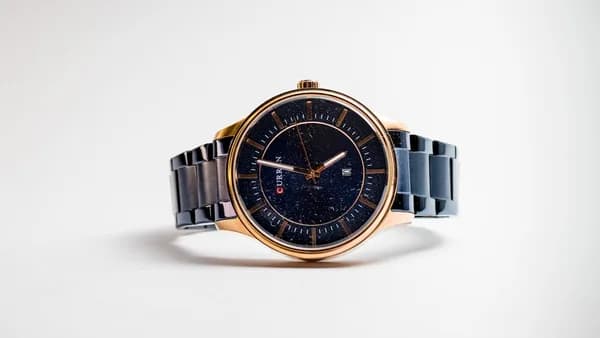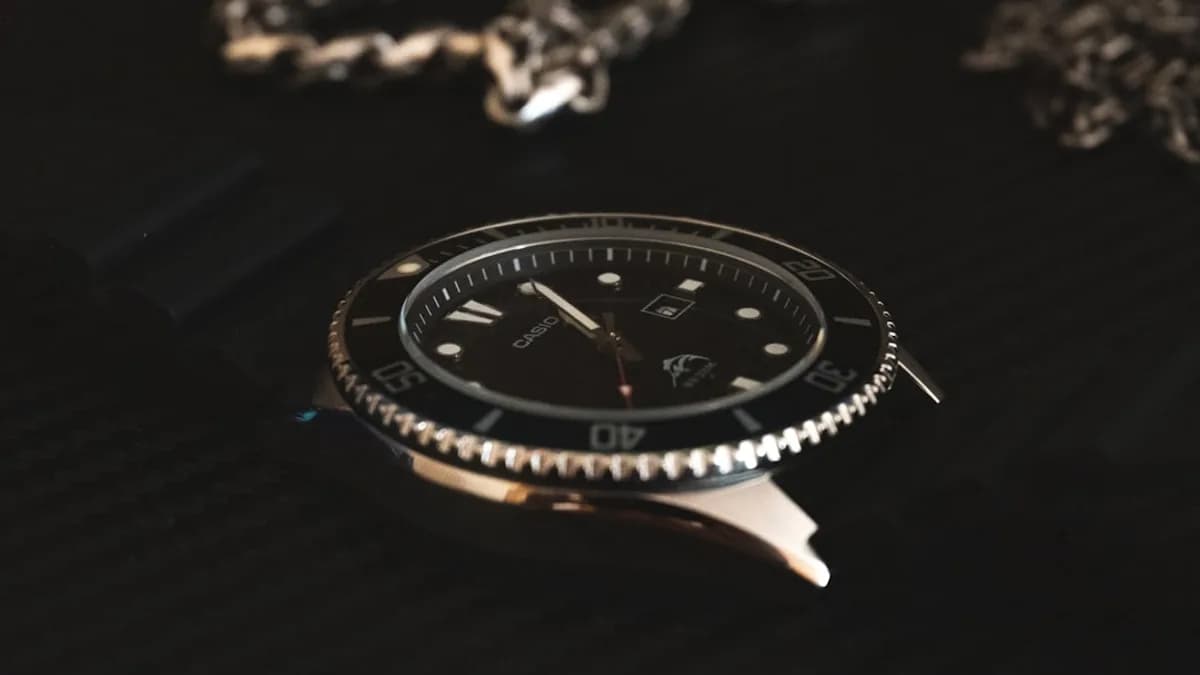
Casio Launches EFK-110D Mechanical Edifice Watches in US Market at $300
Casio’s Edifice EFK-110D automatic watches just landed in official US listings, carrying a $300 price tag and marking a sharp pivot for the brand’s mechanical ambitions. Until now, Casio’s Edifice automatics were largely a Japan and Asia story—US enthusiasts often had to import at a markup or settle for quartz. The new models are available now through authorized dealers and Casio’s own US online store, according to Notebookcheck.
Casio is offering multiple dial colors and bracelet options. Each watch is powered by an automatic movement and, crucially, sports a see-through caseback—a detail aimed squarely at collectors who care about mechanical craftsmanship. The company’s timing is deliberate: the $300 segment has heated up in the last two years, with Seiko’s 5 Sports and Citizen’s Tsuyosa both posting strong US sales.
The EFK-110D’s arrival signals Casio’s intention to muscle into an arena where it’s long been overshadowed by rivals, and to do so with specs that go beyond surface-level tweaks.
Key Upgrades in EFK-110D Compared to Previous EFK-100 Series
The EFK-110D isn’t just a rerun of the earlier EFK-100; it’s a calculated refinement. Case size drops to a more versatile 39.9mm—down from the EFK-100’s chunkier 43mm—making the watch fit better across wrists and aligning with a market shift toward smaller, more classic proportions. That sizing puts Casio in direct conversation with the likes of Tissot’s PRX and Seiko’s mid-century-inspired models, both of which have capitalized on this trend.
Textured dials are another visible upgrade. The EFK-110D features radial brushing and subtle patterning, giving each watch more depth and visual intrigue than the flat, uniform faces of the EFK-100. This isn’t just aesthetic: in competitive segments, dial finishing often makes or breaks a watch’s appeal on a crowded shelf.
Casio also swaps in sapphire crystal—a first for this Edifice automatic tier. Sapphire is far more scratch-resistant than the mineral glass used in most sub-$300 watches. While sapphire typically drives up manufacturing costs, Casio betting on it here signals a push for credibility among enthusiasts who view mineral glass as a shortcut.
Under the hood, the EFK-110D is powered by a 42-hour automatic movement. That’s a modest but meaningful bump in power reserve, putting it on par with Seiko’s 4R36 and Citizen’s Miyota 8000-series. Both those calibers have set expectations for affordable automatics. Casio’s movement isn’t built in-house (it’s supplied by a Japanese third party), but the transparent caseback and solid finishing show Casio is listening to the community’s demands for mechanical legitimacy.
Early reactions from watch forums have zeroed in on these upgrades. Users praise the size and sapphire, while some question the $300 price given Casio’s reputation for quartz value. The textured dials, however, have drawn near-universal approval—an area where Casio has lagged behind Seiko’s endless variety.
What the US Release Means for Casio’s Mechanical Watch Strategy
With the EFK-110D, Casio is making a rare bet on mechanical watches in a market where it’s still best known for G-Shock toughness and digital quartz precision. For years, Casio’s mechanical models have been niche imports in the US, with brand loyalists often looking elsewhere for their first automatic. This official Edifice entry signals a shift: Casio wants a slice of the growing affordable automatic pie.
US sales of automatic watches under $500 have surged since the pandemic, as younger buyers seek “real” watches that don’t just tell time but tell a story. Seiko and Citizen have capitalized; Casio is late, but not too late. The EFK-110D’s pricing puts it right in the crosshairs of the Seiko 5 Sports—and just above some entry-level Timex automatics. If Casio can deliver reliable quality and hit volume, it could finally carve a space in enthusiast circles that have long dismissed its mechanical efforts as afterthoughts.
Collectors should watch two things next: whether Casio expands Edifice automatics with more dial variations, and if it ever brings true in-house movements to the US. The sapphire crystal and upgraded finishing are steps toward raising the Edifice profile, but the brand will face pressure to iterate quickly if it wants to keep up with rivals’ relentless release calendars.
The real test will come if Casio leverages its scale to push prices down or specs up. For now, the EFK-110D plants a flag: Casio is done ceding the entry-level mechanical watch market to its competitors. Watch for the ripple effects as Casio’s Edifice automatics go head-to-head with the established giants—and as the company decides if it’s ready to double down.
The Bottom Line
- Casio’s official US launch brings popular mechanical Edifice models to local buyers without import markups.
- The EFK-110D’s upgrades target a competitive $300 segment, challenging rivals like Seiko and Citizen.
- Smaller case sizes and enhanced dial finishes reflect changing market tastes and collector preferences.