Why Apple's MacBook Neo Is Shaking Up the Laptop Market and Rattling Microsoft
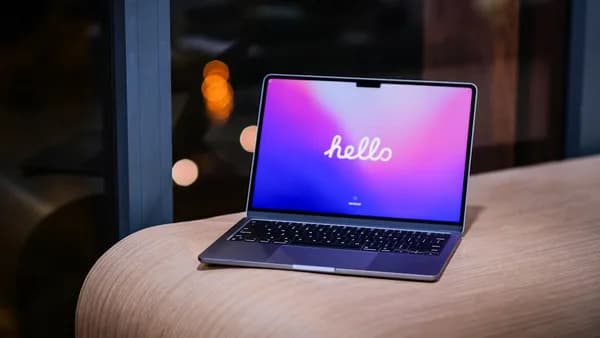
Apple’s MacBook Neo has rattled Redmond enough that Microsoft is paying to shape the narrative. That’s the real headline, not just a new machine on the market. When the dominant Windows vendor bankrolls a study to “prove” superiority, it signals genuine anxiety, not just routine marketing. The MacBook Neo isn’t just another iteration—it’s a direct shot across Microsoft’s bow, redefining what consumers expect from a premium laptop.
Apple’s engineering has set a new benchmark with the Neo: battery life that stretches past 20 hours, custom silicon that leaves x86 rivals lagging, and design language that makes most Windows ultrabooks look dated. Customers now take for granted that a top-tier laptop should be fanless, instantly responsive, and integrated with their phone, tablet, and watch. The Neo doesn’t just compete on specs; it reframes the experience.
Microsoft’s reaction is as telling as the device itself. Instead of showcasing Surface innovation, the company chose to sponsor a market study, pushing the narrative that Windows laptops are both better and cheaper, according to Notebookcheck. When the market leader resorts to paid studies rather than product, it’s clear they feel the ground shifting under their feet.
Analyzing the Paid Study: Why Microsoft's Claims About Windows Laptops Fall Short
Microsoft’s sponsored study claims Windows laptops beat Macs on performance and price, but peel back one layer and the cracks show. The study—commissioned from a third-party analytics firm—compares “typical” Windows laptops to the Neo on metrics like hardware specs, benchmark scores, and retail pricing. The headline: Windows laptops are not just cheaper, but “superior” for most users.
Here’s the rub. The study cherry-picks models, often pitting high-end Windows gaming rigs (with power-hungry GPUs and short battery life) against the MacBook Neo’s balanced architecture. It ignores total cost of ownership: resale value, support, and longevity. While a $1,200 Windows laptop might out-muscle a Neo in a synthetic benchmark, it’s unlikely to deliver the same five-year usability, OS support, or ecosystem integration.
Paid studies like this are marketing, not science. They often frame tests to favor the sponsor’s strengths, while downplaying real-world user priorities like battery life, thermals, build quality, or how well the machine works with other devices. This isn’t new—Microsoft and PC vendors have run similar campaigns every time Apple disrupts a market, from the iPod era to the first M1 MacBooks. The difference: customers eventually see through the numbers when their lived experience doesn’t match the narrative.
Consumer Reports and other independent testers routinely find that MacBook users report higher satisfaction and fewer repairs over several years compared to mainstream Windows laptops. JD Power’s 2023 survey put Apple at the top for customer satisfaction in the U.S. laptop market, with a rating of 855 out of 1,000, compared to 829 for the closest Windows rival. When a company has to pay to “prove” its value, it’s a sign the organic story isn’t landing.
The Real Strengths of the MacBook Neo That Make It a Game-Changer
What Microsoft’s study misses is why the MacBook Neo commands a premium—and why it’s winning mindshare. Apple’s in-house silicon, now in its third generation, erases the old trade-off between battery life and power. The Neo’s chip delivers desktop-class speed while sipping energy, letting users unplug for an entire workday and then some. No midsize Windows laptop on Intel or AMD silicon can match that balance yet.
Then there’s the user experience. Instant wake, zero lag, and a trackpad that’s still the industry reference. Apple’s vertical integration means macOS updates arrive on day one, not months later—crucial for security and compatibility. Universal Control, AirDrop, and handoff with iPhone and iPad are more than party tricks; they’re productivity multipliers for users who live across devices. The result: the Neo feels like an extension of the Apple ecosystem, not an isolated machine.
Long-term value is another unspoken advantage. MacBook resale prices routinely outpace Windows rivals; a three-year-old MacBook often sells for 50-60% of its original price, while comparable Windows machines might fetch half that—if they’re still supported. Enterprise IT departments have noticed: JAMF’s 2022 report showed companies save up to $843 per Mac over three years, factoring in support costs and downtime. Windows laptops might win on sticker price, but the Neo wins on total value delivered.
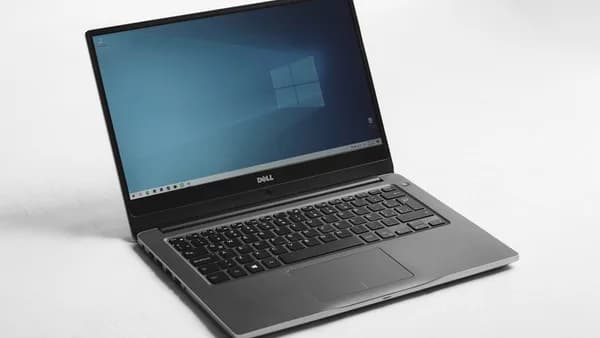
Compare that to the Windows field. Yes, there are standout models—the Dell XPS, Lenovo ThinkPads, and some Surfaces. But fragmentation, preloaded bloatware, and inconsistent update policies mean the average user experience is a lottery. Apple’s control over hardware and software means you know exactly what you’re getting, and it just works.
Addressing the Counterargument: When Windows Laptops Might Still Be the Right Choice
That’s not to say MacBook Neo is the answer for everyone. Windows machines still dominate in industries reliant on legacy software, specialized engineering, or CAD tools. Hardcore gamers aren’t flocking to macOS—Nvidia GPUs and Windows’ game library remain the standard. And for students or emerging markets, a $500 Windows laptop simply opens more doors than Apple’s entry price.
The diversity of the PC ecosystem is a strength: dozens of vendors, form factors, and price points. For users who want touchscreen convertibles, modular upgrades, or specific enterprise features, Windows remains unmatched. The debate isn’t binary; it’s about which platform best fits your priorities and constraints.
Why Consumers Should Look Beyond Paid Studies and Focus on Genuine Innovation
If there’s one takeaway, it’s this: Don’t let paid studies dictate your next laptop purchase. Real innovation shows up in your day-to-day—how long your battery lasts, how seamlessly your devices talk, how often you need tech support. Marketing dollars can’t fake that.
Look for products that push the category forward, not the ones that win on spec-sheet technicalities or short-term discounts. Ask peers about their actual experience, not just what a commissioned report says. Technology advances when consumers reward bold design and long-term thinking, not just the cheapest option. Vote with your wallet for the machines that actually change how you work and live—the market will follow.
The Stakes
- Apple’s MacBook Neo is redefining consumer expectations for premium laptops.
- Microsoft’s paid study reflects real concern about Apple’s growing hardware influence.
- The competition is forcing both companies to innovate and address shifting market demands.