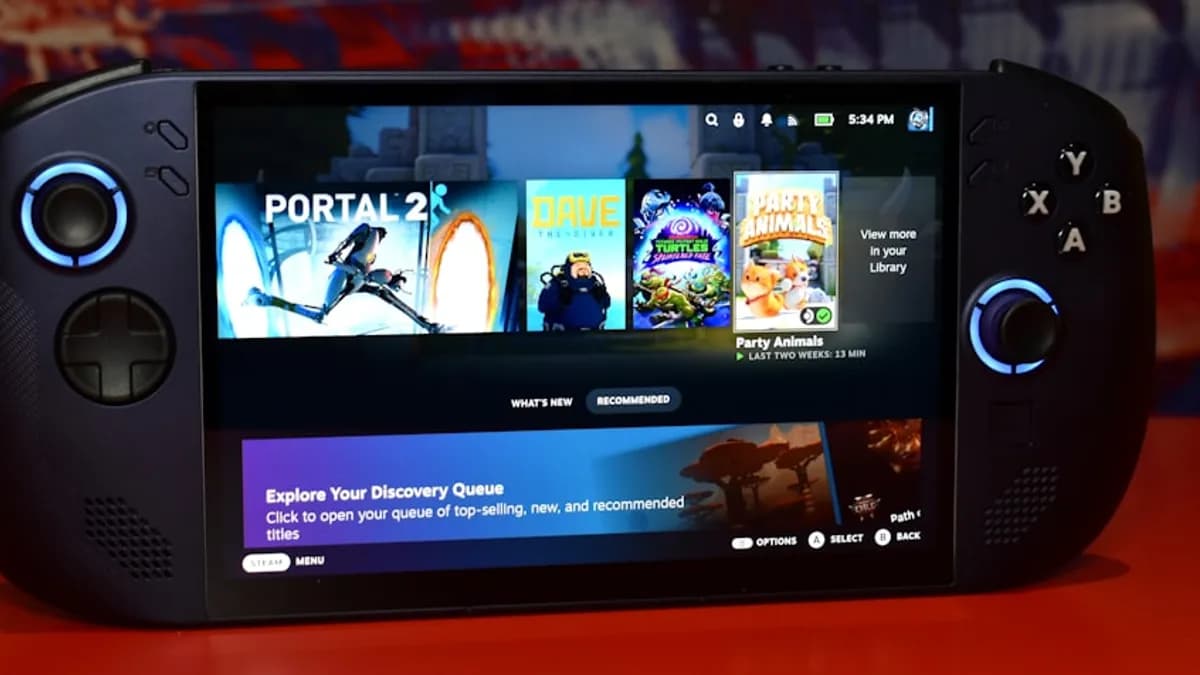
Lenovo Legion Go 2 Price Slashed by Over $500 in Latest Deal
Lenovo just axed the price of the Legion Go 2, cutting over $500 off the 16GB RAM, 1TB SSD model that was recently hiked to $1,599.99. The deal, confirmed by Notebookcheck, drops the cost to well under $1,100—a sudden reversal that turns one of the priciest Windows gaming handhelds into a far more aggressive competitor.
Lenovo’s move comes weeks after its own price hike, which drew fire from buyers and put the Legion Go 2 well above rivals like the ASUS ROG Ally and Steam Deck OLED. The current discount is available through Lenovo’s official store and select retailers, but quantities are limited and no end date has been announced.
The 16GB/1TB Legion Go 2 now undercuts many high-spec handhelds, including the top-tier ROG Ally and Ayaneo’s comparable models, both of which typically hover near $1,200. For buyers who hesitated at the premium, this is the first time the Legion Go 2 lands below $1,100 since launch—raising the stakes in a segment where price swings can dictate market share.
How the Price Cut Impacts the Portable Gaming Market
This price drop doesn’t just sweeten the deal for consumers—it reshuffles the pecking order in the handheld gaming race. The Legion Go 2, with its detachable controllers and 8.8-inch QHD+ display, has always boasted top-tier specs but struggled to justify its sticker price. Now, with a $500+ discount, it’s positioned as a direct threat to Valve’s Steam Deck OLED and ASUS’s ROG Ally X, both of which have leaned heavily on value to drive sales.
Steam Deck OLED’s 1TB model still lists for $679, but it tops out at 16GB RAM and lacks Windows out of the box—a sticking point for players who want native PC gaming without workarounds. The ROG Ally X, while competitive on performance, only matches the Legion Go 2’s RAM and storage at higher configurations costing over $1,100. Ayaneo’s Next Lite and OneXPlayer’s latest models flirt with similar specs but rarely match Lenovo’s post-discount price.
Lowering the barrier of entry by over 30% could spike demand among power users who balked at the original price. It also forces rivals to rethink their pricing in a market where margins are already razor-thin. If Lenovo’s inventory moves quickly, expect a response—either in the form of flash sales or expedited refreshes from ASUS and Valve.
Lenovo’s aggressive pricing could claw back some share in a market it entered late. According to Canalys, handheld gaming PCs saw shipments jump 30% year-over-year in 2023, but Steam Deck still commands nearly half the market. A sub-$1,100 Legion Go 2 could finally make a dent, especially if it stays at this level beyond the current promotion.
What Gamers Should Watch for After Lenovo’s Price Reduction
Flash sales like this rarely happen in a vacuum. If Lenovo’s price cut clears out existing stock, watch for either a permanent price correction or an imminent Legion Go refresh. The company is expected to showcase updates at late-summer events, and this move could be a play to make room for new SKUs with upgraded Ryzen chips or improved battery life.
Buyers should temper FOMO with patience. The handheld PC market is notorious for sudden deals and one-off bundles—Valve, for example, dropped Steam Deck prices by up to 20% during its last major sale. Unless you need a device immediately, waiting for more granular specs on the next Legion Go model might pay off.
For the broader market, Lenovo’s move could trigger a mini price war. If ASUS or Valve counter with their own discounts, expect a temporary window where premium handhelds hit their lowest-ever prices. That’s a rare scenario for a segment that’s still niche but growing fast—especially as more AAA titles optimize for portable play and Windows-based handhelds find their footing.
Bottom line: This isn’t just a deal. It’s a signal that the handheld gaming market’s next round will be fought on price, not just specs. Gamers willing to time their purchases could catch the lowest prices yet on high-end hardware—but only if they’re ready to move fast.
The Bottom Line
- Lenovo's steep price cut makes the Legion Go 2 much more competitive in the premium handheld gaming market.
- The new pricing undercuts rivals like ASUS ROG Ally X and Ayaneo, potentially shifting buyer interest and market share.
- Gamers now have greater access to high-end specs for less, driving innovation and price competition across the category.