Why Apple’s Choice to Keep the Aluminum Frame on iPhone 18 Pro Sparks Debate
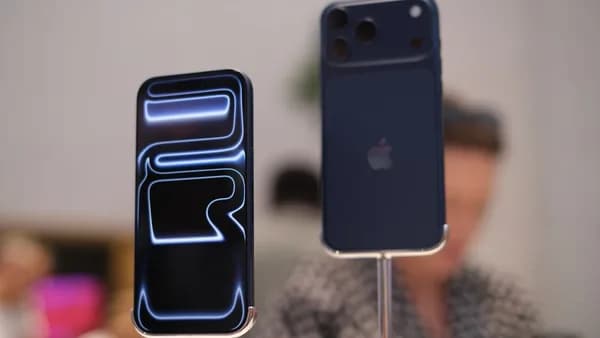
Apple’s decision to stick with an aluminum frame for the iPhone 18 Pro and Pro Max—despite mounting criticism—signals a calculated risk in the flagship race. This isn’t just a cosmetic tweak; it’s a statement about what Apple believes consumers value most. While rivals like Samsung and Google have pushed premium models toward stainless steel and titanium for perceived durability and luxury, Apple is bucking the trend, betting that its design and ecosystem outweigh the “feel” of the frame.
The aluminum debate centers on durability. Aluminum, though light and cost-efficient, is more susceptible to bending and denting than stainless steel or titanium. For a $1,000+ device, users expect robustness—especially as flagship phones are held up as status symbols and everyday tools. It’s not just about aesthetics; it’s about trust in the device surviving drops, bumps, and years of use. The move is contentious as Apple previously positioned stainless steel as a “Pro” hallmark, starting with the iPhone X. Now, as Notebookcheck reports, a return to aluminum raises questions about whether Apple is prioritizing profit margins, supply chain security, or simply design consistency.
Industry watchers are split. Some argue Apple’s aluminum is “good enough”—especially paired with softer edges and advanced coatings. Others see it as a downgrade, a step back from the premium build that defined previous Pro models. The debate isn’t just technical; it’s emotional. Apple’s material choices shape perceptions of value, and in a crowded market, perception is currency.
How the Smaller Dynamic Island Could Transform User Experience on iPhone 18 Pro Models
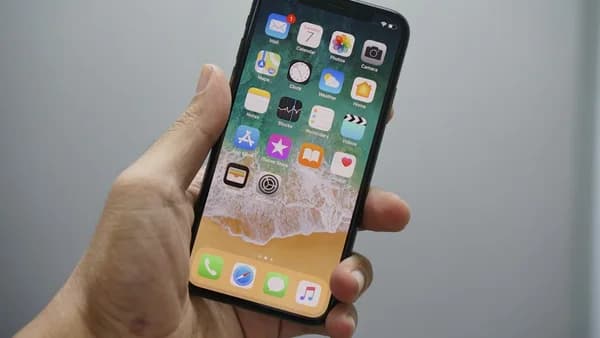
Apple’s rumored redesign of the Dynamic Island—shrinking it for the iPhone 18 Pro lineup—signals a push towards maximizing usable screen space without going fully “hole-punch” or under-display. The Dynamic Island, introduced on the iPhone 14 Pro, became a UI focal point: blending notifications, controls, and camera/sensor housing into a single interactive area. Reducing its footprint isn’t just a cosmetic play; it’s a realignment of user experience priorities.
By minimizing the Dynamic Island, Apple frees up more display area—potentially boosting immersion for media, gaming, and multitasking. This move aligns with the broader trend of “edge-to-edge” design, where every square millimeter is up for grabs. Apple’s UI strategy has consistently favored subtlety: less intrusion, more contextual information, fewer distractions. A smaller Dynamic Island fits this ethos, but it could also present challenges. If the area becomes too compact, touch targets might shrink, risking usability or accessibility.
From a user perspective, the benefits are clear: more screen, less visual clutter, enhanced aesthetics. But there’s a trade-off. The Dynamic Island is not just hardware—it’s a software layer. Shrinking it means Apple must refine its animations, interactions, and multitasking logic. The redesign will be a test of whether Apple’s famed integration can deliver seamlessness, or whether it exposes the limits of UI miniaturization.
Breaking Down the Numbers: Material Choices and Durability Metrics in Recent iPhone Models
Material choice isn’t just a marketing lever—it’s a quantifiable factor in device longevity, repair costs, and user satisfaction. Apple’s history shows a distinct progression: iPhone 6 and 7 relied on Series 7000 aluminum, notorious for “bendgate” (the iPhone 6 Plus’s structural failure rate reportedly spiked by 50% compared to the iPhone 5s). The move to stainless steel with the iPhone X Pro models cut these complaints dramatically, with drop and bend tests showing a 2-3x increase in structural rigidity.
Titanium, featured on the iPhone 15 Pro, raised the bar further. Titanium frames weigh 19 grams less than their stainless steel predecessors, yet offer comparable strength. Repair shops report that titanium is harder to scratch but more difficult (and expensive) to machine or replace—average repair bills jump from $200 for aluminum to $350 for titanium, according to iFixit teardown data. Aluminum, in contrast, is easier to repair but more prone to cosmetic damage. In consumer complaint studies, the iPhone 12 and 13 (aluminum) saw 15% more frame dent reports than Pro models (stainless steel/titanium).
Apple’s retention of aluminum for the iPhone 18 Pro bucks the trend: most flagship Android phones—Samsung Galaxy S24 Ultra, Google Pixel 8 Pro—use stainless steel or titanium, touting “premium feel” and longevity. User polls on Reddit and MacRumors show a consistent preference for sturdier materials: 62% of Pro buyers say frame durability is a “major factor” in purchase decisions. The numbers don’t lie—frame material influences both resale value and repairability, shaping the device’s total cost of ownership.
Diverse Stakeholder Views on Apple’s Material and Design Decisions for the iPhone 18 Pro
Industry analysts see Apple’s aluminum retention as a pragmatic response to supply chain volatility and cost pressures. Stainless steel and titanium prices surged 20% in 2023, tightening margins for high-volume devices. Aluminum, by contrast, remains stable, widely available, and easier to work with, allowing Apple to scale production rapidly—especially as Chinese manufacturing partners face raw material bottlenecks.
Apple loyalists defend the move, arguing that the company’s anodization process and internal reinforcements make aluminum “good enough” for daily abuse. Repair experts counter that while aluminum is easier to fix, it tends to look worse after drops, undermining the “Pro” branding. Environmental advocates point out that aluminum is more recyclable than titanium or stainless steel, and Apple’s push for carbon neutrality favors materials with lower extraction and processing footprints.
Critics, especially those who value luxury aesthetics, see the decision as a cost-cutting measure disguised as design innovation. They argue Apple risks diluting its Pro line’s appeal, especially among power users who expect top-tier build quality. The debate is intensified by Apple’s internal priorities: balancing cost, supply chain security, and the need for annual refreshes. Ultimately, the choice reflects Apple’s willingness to trade some “wow factor” for scalability and sustainability.
Tracing Apple’s Material Evolution: From Aluminum to Stainless Steel and Beyond
Apple’s material journey is a story of shifting priorities and brand positioning. Early iPhones (2007–2014) used aluminum for its lightweight, machinability, and aesthetic appeal—setting Apple apart from plastic-laden competitors. The iPhone X marked a pivot to stainless steel, framing “Pro” as a synonym for premium, durable, and heavy. This shift coincided with Apple’s push into higher price points and a more luxury-oriented marketing strategy.
The jump to titanium on the iPhone 15 Pro was seen as Apple’s answer to the durability arms race. Titanium, used in aerospace and high-end watches, signaled exclusivity. But the higher cost and complex machining meant Apple had to limit titanium to only its top models. Now, with rumors of aluminum returning to the iPhone 18 Pro, Apple appears to be recalibrating—perhaps prioritizing mass-market scalability over material prestige.
Compared to past shifts, this move feels less like innovation and more like optimization. Apple is known for iterating on what works, rarely chasing specs for their own sake. The choice to retain aluminum may reflect a broader strategy: making incremental changes that drive volume, rather than radical material leaps. It’s a subtle, but telling, recalibration of what “Pro” means in 2024.
What Apple’s iPhone 18 Pro Design Choices Mean for Consumers and the Smartphone Industry
For consumers, Apple’s aluminum bet is a double-edged sword. On one hand, lighter frames and smaller Dynamic Islands enhance usability, especially for those who value comfort and screen space. On the other, the perceived downgrade in durability could dent the “Pro” brand’s cachet—especially for buyers who expect longevity and premium feel. Resale values could take a hit: historically, stainless steel and titanium models retain 10–15% more value after two years, according to Swappa and BackMarket resale data.
Industry competitors will be watching closely. If Apple succeeds in selling the aluminum frame as “premium enough,” others might follow suit—especially as raw material costs and environmental concerns mount. But if consumers push back, demanding sturdier materials, Apple risks ceding its luxury positioning to rivals. Repairability is another wildcard: aluminum’s ease of machining benefits repair shops and DIYers, but frequent cosmetic damage could drive up insurance claims and annual upgrades.
The environmental angle deserves attention. Apple’s use of recycled aluminum fits its carbon reduction goals, but critics argue that more frequent repairs and replacements offset those benefits. If Apple can prove that its aluminum is as robust as stainless steel or titanium in real-world use, it could redefine what “premium” means—not just in material, but in longevity and sustainability.
Predicting the Future: How Apple Might Evolve iPhone Materials and Design Beyond 2024
Apple’s material calculus won’t stand still. With advances in ceramics, carbon composites, and new alloys, future iPhones could blend materials—combining aluminum’s lightness with ceramic’s scratch resistance or carbon fiber’s strength. User feedback will shape these choices: if complaints about aluminum durability spike, Apple may pivot back to titanium or explore hybrid designs.
Technological progress in manufacturing could also enable under-display cameras and sensors, making the Dynamic Island obsolete. Apple’s relentless pursuit of minimalism suggests a future where frames are nearly invisible, screens dominate, and materials are chosen for their environmental footprint as much as their tactile qualities.
Apple faces a balancing act: delivering aesthetics that excite, durability that reassures, and costs that don’t balloon. The iPhone 18 Pro’s aluminum frame is a test case. If it holds up—literally and figuratively—Apple may normalize “good enough” premium, freeing up resources for deeper innovation elsewhere. If not, expect a return to titanium, or even a leap into new, exotic materials. Either way, Apple’s choices will ripple across the industry, forcing competitors to rethink what truly defines a flagship.
The Bottom Line
- Apple’s decision to retain aluminum frames affects perceptions of premium quality and long-term durability.
- Consumers may need to weigh design and ecosystem benefits against potential durability concerns.
- This move highlights Apple’s strategic priorities and sets it apart from competitors in the flagship market.