iOS 26.5 quietly changed three of the iPhone’s most-used apps: Messages, Apple Maps, and the App Store.
That matters because this is not a flashy redesign story. The update, which launched earlier this month, looks more like Apple tightening the apps users already touch all day, according to 9to5Mac . MLXIO analysis: iOS 26.5 is less about one headline feature and more about Apple pushing small, behavior-shaping changes into default apps where friction already exists.
The three changes are narrow but telling: encrypted RCS in Messages, place recommendations in Maps, and a new subscription payment structure in the App Store. None of them rewrites the iPhone. Each one adjusts a daily pattern.
iOS 26.5 Turns Messages, Maps and the App Store Into the Release
The most meaningful iOS 26.5 addition is in Messages, where Apple added end-to-end encrypted RCS messaging in beta. That gives some non-iMessage conversations stronger protection than standard SMS, though Apple is limiting the rollout.
Apple’s fine print is the key constraint:
“End-to-end encryption is in beta and is not available for all devices or carriers. Conversations labeled as encrypted are encrypted end-to-end, so messages can’t be read while they’re sent between devices.”
That caveat keeps the feature from being universal. Users will need to look for conversations labeled as encrypted rather than assume every RCS thread gets the same treatment.
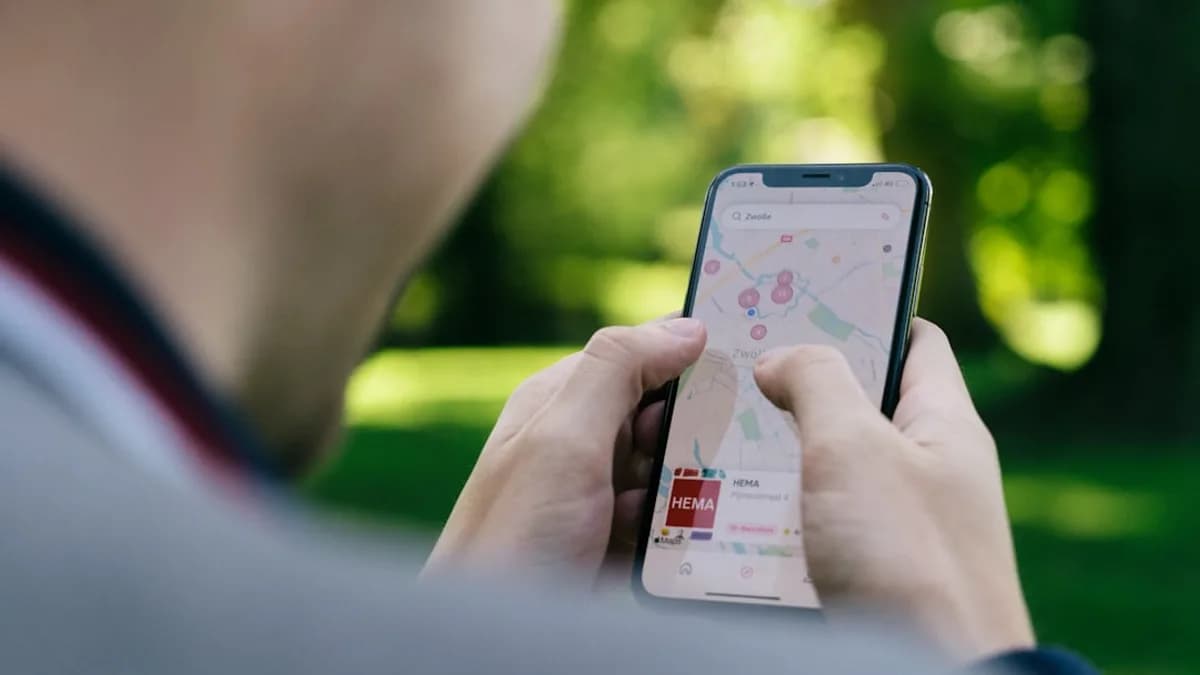
Apple Maps gets a more visible everyday tweak. A new Suggested Places feature shows two recommendations when users tap the search field. 9to5Mac says those suggestions are based on nearby trending locations, previous searches, and “and more” per Apple.
The App Store change is commercial rather than navigational. Developers can now offer a “monthly with 12-month commitment” subscription plan: an annual subscription split into 12 monthly payments. The catch is material. The option is available globally except in the US and Singapore, according to the source material.
Three App Updates Aim at Daily Habits, Not Demos
These features target different types of friction.
| App | iOS 26.5 feature | Practical effect | Main limitation |
|---|---|---|---|
| Messages | End-to-end encrypted RCS in beta | Better protection for some green-bubble conversations | Not available for all devices or carriers |
| Apple Maps | Suggested Places | Faster discovery from the search field | Apple says promoted locations could eventually appear |
| App Store | Monthly with 12-month commitment | Lets users commit annually without paying the full year upfront | Not available in the US or Singapore |
The Messages update is the most substantial because it changes the security model for certain RCS conversations. It also depends on carrier and device support, which means user experience may vary sharply.
Maps is more of a quality-of-life addition. Suggested Places does not change navigation itself. It changes the moment before navigation, when the user is deciding what to search for.
The App Store feature is aimed at payment psychology. MLXIO analysis: Annual plans can be hard to sell when they require a large upfront charge. Splitting that commitment into monthly payments gives developers another pricing shape without turning the product into a simple month-to-month plan.
The Missing Adoption Number Matters More Than the Feature Count
There is no iOS 26.5 adoption figure in the supplied source material. That limits any hard claim about how many iPhones have these features today.
Still, the update includes several concrete numbers that define its scope:
- Three apps received notable feature additions.
- Two places appear in Maps’ Suggested Places panel.
- 12 monthly payments can now form one annual App Store subscription commitment.
- Two markets — the US and Singapore — are excluded from that App Store subscription option.
- RCS encryption is in beta, not a finished universal rollout.
That last point matters most. A feature can ship in iOS without being functionally available to every user. Messages encryption depends on device and carrier compatibility. App Store subscription changes depend on geography. Maps recommendations may also vary by what Apple can infer from location trends and past searches.
MLXIO analysis: This is the operating-system version of controlled distribution. Apple can ship the interface, limit the eligibility, and expand later without needing to present every feature as complete on day one.
iOS 26 Brought the Big System Pitch; iOS 26.5 Adds App-Level Polish
Apple’s broader iOS 26 pitch is much larger than these three changes. On its own iOS 26 page, Apple highlights Liquid Glass, Visual Intelligence, Polls in Messages, Live Translation, unwanted-call management, CarPlay updates, Maps route learning, and Visited Places in Maps, among other features.
That contrast is useful. The major iOS 26 release carries the branding and system-wide narrative. iOS 26.5 works lower in the stack, inside apps users already know.
For readers tracking Apple’s broader software direction, MLXIO has separately covered Apple Intelligence 2.0 Bets on Siri to Rescue iPhone AI and Apple Sparks Hype with 3 Bold Goals for iOS 27. Those are broader roadmap stories. iOS 26.5 is narrower: it shows how Apple can keep changing core behavior through point updates.
The pattern here is not “big annual launch or nothing.” It is a split model. Major versions carry the marquee concepts. Mid-cycle releases can still alter messaging privacy, local discovery, and subscription economics.
Users Get Convenience; Developers Get a Higher Default-App Bar
For iPhone users, the immediate advice is practical.
Messages users should check whether RCS conversations are labeled as encrypted before assuming end-to-end protection applies. The beta label and carrier limits matter.
Maps users will see Suggested Places in the search field. That could make discovery faster, but the ad-related note deserves attention. 9to5Mac says Apple has indicated that one of those slots could eventually feature promoted locations.
App Store users outside the US and Singapore may see new subscription offers that look monthly but carry a 12-month commitment. The pricing may be easier to absorb than an upfront annual bill, but the commitment is still annual.
Developers get a mixed picture. The App Store billing option gives subscription apps a new way to package annual plans. At the same time, Apple’s default apps keep improving in areas where third-party apps also compete: messaging experience, local discovery, and paid digital services.
MLXIO analysis: The tension is simple. Users tend to benefit when Apple improves defaults. Independent apps may face a higher bar when those defaults absorb more convenience.
The Next Signal Is Whether Apple Repeats This Pattern
iOS 26.5 is minor if judged by spectacle. It is more interesting if judged by placement.
Apple did not bury every change in security notes or maintenance language. It put visible upgrades into Messages, Maps, and the App Store — three surfaces tied to communication, movement, and payments.
The next evidence to watch is whether future iOS point releases keep adding targeted features to high-frequency apps, especially where Apple can control rollout by carrier, region, account type, or developer support. That would strengthen the read that iOS updates are becoming more app-level and continuous.
The weaker version of the thesis is also possible. If iOS 26.5 proves to be an isolated cluster of small additions, then this is just a useful maintenance-era release with a few visible perks. The difference will show up in the next cycle: whether Apple keeps using point updates to change daily iPhone behavior, or saves the next meaningful software story for the annual release stage.
Key Takeaways
- Apple is improving default apps through small changes users may encounter every day.
- Encrypted RCS could make some iPhone-to-Android messaging more private, but availability remains limited.
- The new App Store subscription option could change how developers price long-term commitments.