Why Insta360 Luna Ultra’s Pricing Strategy Could Shake Up the 8K Gimbal Market
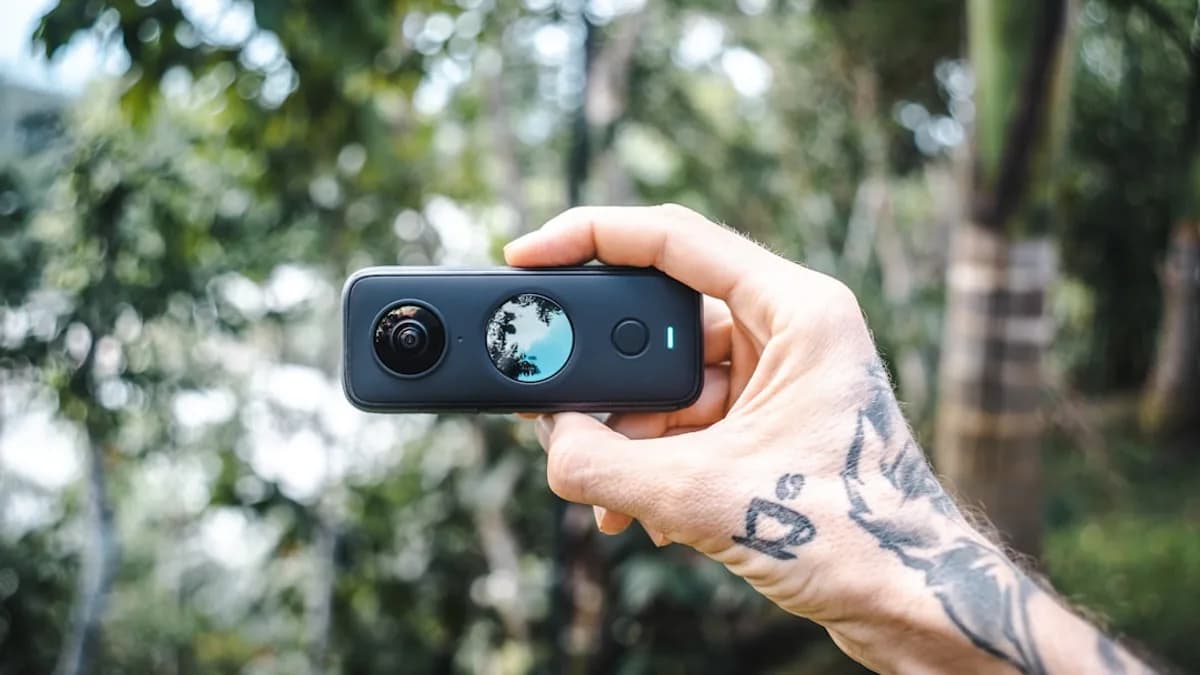
Insta360’s CEO just confirmed that the Luna Ultra’s leaked international price tags aren’t a mistake—they’re the real plan. That means buyers in the US and Europe will pay a hefty premium for Insta360’s new dual-cam 8K gimbal, dramatically outpacing the DJI Osmo Pocket 4’s MSRP. The gap isn’t small enough to write off as shipping or tax. It’s a bold positioning play, and not a friendly one for Western consumers, according to Notebookcheck.
Analysis: Insta360 isn’t just nudging its flagship into premium territory—it’s drawing a line between its home market and the rest of the world. The Luna Ultra is being set up as a premium DSLR alternative internationally, not a mass-market gadget. That’s a strategic bet: the company is either counting on brand cachet and tech specs to justify the price, or it’s bracing for lower sales volume but higher margins outside China. For DJI, this is a clear window to undercut and capture more budget-focused buyers.
Breaking Down the Numbers: Luna Ultra’s Pricing Compared to DJI Osmo Pocket 4 and Other 8K Cameras
Here’s what’s confirmed: while the Luna Ultra will sell for less in China, the overseas MSRP is substantially higher. The Notebookcheck report doesn’t specify the exact dollar or euro amounts, but it’s explicit—the gap is wide enough to raise eyebrows and headlines. The Luna Ultra’s global price leapfrogs the DJI Osmo Pocket 4 and lands in the territory of high-end DSLR alternatives.
Analysis: Without hard numbers, the true scale of the premium is unclear, but the CEO’s confirmation signals a tiered pricing model. For US and EU buyers, Luna Ultra won’t just outprice the Osmo Pocket 4; it will be marketed as a “serious creator” tool—likely with feature sets and materials that Insta360 believes can command such a premium. For Chinese buyers, the Luna Ultra may stick closer to the competition price-wise, suggesting Insta360 is prioritizing market share and adoption at home while extracting maximum value from Western enthusiasts and professionals.
What’s missing: There’s no official feature comparison or justification for the higher international price. The gap could reflect tariffs, distribution, support, or simply a bet that Western buyers will pay more for the latest hardware.
Diverse Stakeholder Reactions: What Consumers, Retailers, and Industry Experts Are Saying About Luna Ultra’s Pricing
The source stops short of quoting buyers or retailers. There’s no survey, just the facts: Insta360’s CEO knows the pricing is controversial, and he’s not backing down. The “terrible news” angle in the headline is telling—Notebookcheck expects pushback from US and EU buyers.
MLXIO analysis: The silence from retailers and experts is its own signal. With CEOs stepping in to clarify leaks, Insta360 is aware the optics aren’t great, especially with a competitor like DJI offering similar products at lower prices abroad. Expect retailers to tread carefully on inventory, especially if early demand sags under sticker shock. For prosumers and professionals, the calculus shifts: if the Luna Ultra really does match premium DSLRs on quality and features, some may bite. But absent specs to justify the premium, skepticism is a rational reaction.
From Past to Present: How Pricing Trends in Gimbal Cameras Have Evolved and What Luna Ultra’s MSRP Signals
The historical context isn’t detailed in the source, but the message is clear: this isn’t business as usual for Insta360. The company is signaling a willingness to diverge from the “one world, one price” playbook. Instead, it’s splitting its markets, aiming for volume at home and margin abroad. That’s a break from most tech launches, where global parity—or at least a narrower gap—is the norm.
MLXIO interpretation: This could be an attempt to compensate for rising costs, taxes, or currency risk, but it also risks alienating international fans who have come to expect competitive pricing. If Insta360’s previous launches leaned toward affordability, the Luna Ultra marks a new chapter—one where Western buyers are asked to pay a premium for early access and top-tier specs.
What Luna Ultra’s Premium Pricing Means for Prosumer and Professional Videographers
The Luna Ultra’s elevated price puts it out of reach for many hobbyists in the US and EU—unless the features match or exceed high-end DSLRs, as Insta360 hints. For working videographers, the calculus is tougher. If the Luna Ultra delivers, some will pay. But with strong alternatives at lower prices, especially from DJI, the value proposition must be airtight.
MLXIO analysis: Insta360 is betting that the Luna Ultra’s specs and Leica partnership will matter more than the price tag to serious users. But for prosumers, every hundred dollars counts. This move could push the segment’s “good enough” crowd to reconsider DJI or wait for discounts. The premium segment may shrink, but those who buy will expect uncompromising quality and support.
Looking Ahead: How Insta360’s Pricing Could Influence Future Gimbal Camera Market Dynamics
With the Luna Ultra, Insta360 is testing how much price elasticity exists for creator-focused hardware outside China. If sales hold, expect rivals to target the mid-tier harder and possibly introduce stripped-down models to fill the gap. If buyers balk, Insta360 may face pressure to cut prices or offer more value bundles.
What to watch: The official feature list, launch-day pricing in all regions, and early reviews. If the Luna Ultra’s real-world performance doesn’t blow away the Osmo Pocket 4 or justify the premium, Insta360 risks ceding ground in key markets. If the device wins over professionals despite the cost, it could reset expectations for what “flagship” means in the gimbal camera space. The next six months will reveal whether this pricing gamble pays off—or hands DJI a bigger slice of the global market.
Impact Analysis
- US and EU consumers will face significantly higher prices for the Luna Ultra compared to Chinese buyers.
- The aggressive pricing gives DJI an opportunity to capture more price-sensitive buyers in Western markets.
- Insta360's move signals a shift toward premium positioning, potentially changing creator camera market dynamics.