How Eased US-Iran Tensions Are Reshaping Global Oil Market Dynamics
WTI crude oil price predictions for May 2026 just fell—an immediate signal that markets are betting on lower geopolitical risk after the latest US-Iran de-escalation. According to CryptoBriefing, the reduction in tensions has calmed nerves across energy markets. The core impact: traders are adjusting their risk models, slashing the premium once built into oil prices to account for potential supply shocks.
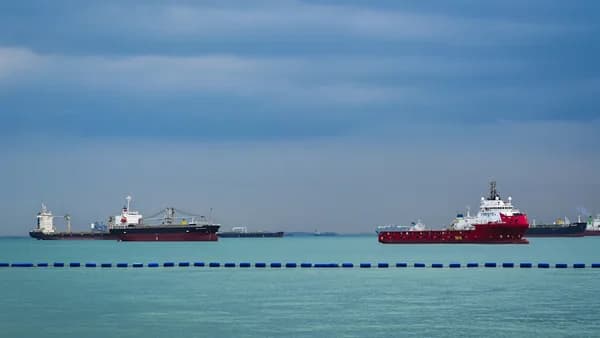
This shift is more than a headline blip. When the world’s largest energy consumer (the US) and a major oil producer (Iran) step back from confrontation, the entire calculus for oil supply stability changes. Fewer threats to supply chains, especially through critical choke points like the Strait of Hormuz, mean fewer price spikes. As a result, market sentiment has pivoted—hedge funds and institutional players are no longer bracing for sudden disruptions, but recalculating for a steadier status quo.
Quantifying the Impact: WTI Crude Oil Price Forecasts for May 2026 in Focus
The current narrative is clear: with US-Iran tensions easing, analysts have revised their WTI crude oil price forecasts downward for May 2026. While CryptoBriefing doesn’t cite precise figures, the direction of travel is unambiguous—risk premiums embedded in previous forecasts are being unwound.
Geopolitical risk premiums have always played a powerful role in oil pricing models. When tension flares, models must account for possible disruptions, pushing price predictions higher. Now, as the risk of US-Iran conflict recedes, long-term models recalibrate. This is a mechanical process: lower probability of supply shock, lower expected price. The May 2026 forecasts reflect this, as the market consensus adjusts in real time to the new geopolitical landscape.
MLXIO analysis: The lack of cited numbers in the source limits the precision of this view, but the mechanism is straightforward. Forecasts are falling because traders are reassigning probabilities—less chance of conflict means less upside risk in oil. What’s missing is the actual basis-point change in predictions or the model assumptions behind each bank’s call. What’s clear is that the market is betting stability will hold, at least for now.
Diverse Stakeholder Perspectives on the Eased US-Iran Relations and Oil Prices
Not all stakeholders view this easing with the same lens. Oil producers, especially those exposed to Middle Eastern supply routes, may see reduced urgency to hedge production or lock in prices at recent highs. For consumers—whether industrial or retail—lower oil price expectations ease concerns about rising energy costs and inflationary pressures.
Geopolitical analysts will be watching closely to see if this diplomatic thaw is durable. Any sign of backsliding could send prices and risk premiums surging again. Meanwhile, global energy companies may use this window to reconsider investment or production strategies, but without clear long-term commitments, most will likely proceed cautiously. The current optimism is real, but it’s hedged with a recognition of how quickly sentiment can reverse.
Historical Patterns: Comparing Past US-Iran Tension Cycles and Oil Market Responses
History shows that oil markets react sharply to US-Iran flashpoints, but the durability of these moves is less certain. Price spikes driven by conflict or threats of disruption tend to fade when diplomacy prevails. During previous easing cycles, markets unwound risk premiums over weeks or months, but often kept a wary eye on the headlines for any sign of renewed hostility.
MLXIO analysis: The current market response fits this pattern—rapid adjustment as risks recede, but with the implicit understanding that the Middle East’s strategic importance means volatility can return at any moment. Past cycles suggest that while price stability can return quickly, full normalization is rare. Traders remember how fast things can shift.
Implications for Energy Industry Stakeholders and Global Economic Stability
For energy producers, stabilized oil prices reduce uncertainty, making it easier to plan output and investment. Consumers—especially large importers—benefit from lower input costs, which could ripple out to dampen inflation and support economic growth. Investors may see less volatility in energy equities, though the upside from crisis-driven rallies also fades.
Policy makers and energy strategists could use this opportunity to revisit diversification and energy security strategies. If the market expects lower risk premiums for the foreseeable future, there may be less urgency to accelerate alternative energy investments—but history warns against complacency.
The broader economic picture: stable oil prices support trade balances for importing nations and ease pressure on inflation. But this equilibrium is fragile, and any shift in US-Iran relations could quickly rewrite the outlook.
Forecasting the Future: Potential Scenarios for US-Iran Relations and Oil Market Trajectories
The biggest unknown is whether the current détente will last. Key variables: ongoing diplomatic engagement, domestic pressures in the US or Iran, and the posture of other regional players. Oil prices will follow the probability-weighted outcome of these factors—renewed tensions could resurrect risk premiums overnight, while deeper cooperation might anchor prices lower for longer.
For market participants, the lesson is clear: don’t overcommit to the stability narrative. Watch for evidence of sustained diplomatic progress or, conversely, any hint of escalation. The next inflection point will come from either a concrete agreement that cements this easing—or a flashpoint that reminds markets why they price in risk at all.
What is still unclear: the precise magnitude of forecast changes and the durability of the current calm. What to watch: further negotiations, official statements, and any sign of shifting US or Iranian policy. The oil market is betting on peace—but with its finger still on the trigger.
Disclaimer: This MLXIO analysis is for informational and educational purposes only. It is not financial, investment, legal, tax, or professional advice. It does not provide buy, sell, hold, price-target, portfolio, or personalized recommendations. Verify information independently and consult qualified professionals before making decisions.
The Bottom Line
- Lower geopolitical risk between the US and Iran is leading to reduced oil price forecasts for May 2026.
- Energy markets are responding to increased supply stability and fewer threats to key oil transit routes.
- Traders and analysts are adjusting risk models, signaling a shift toward a calmer, more predictable energy landscape.