
Retro Tech’s Grip on a Smartphone World
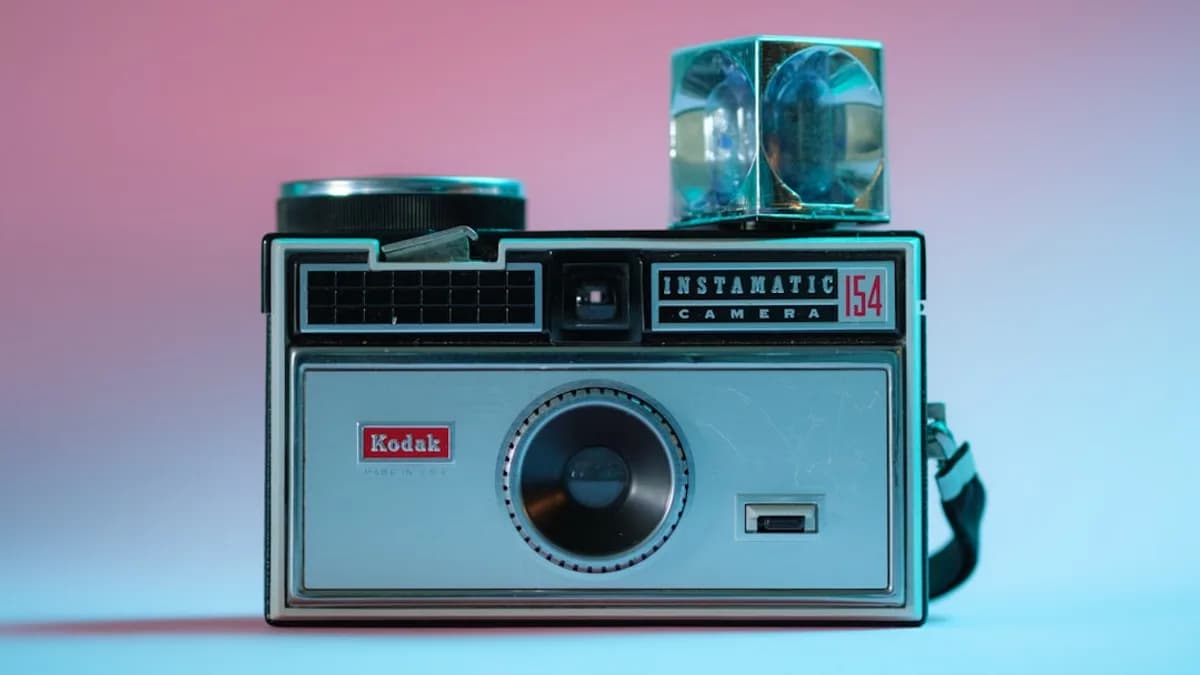
Smartphones swallowed the point-and-shoot market nearly whole, but nostalgia isn’t going quietly. The emotional pull of analog gear keeps old-school and faux-retro cameras alive—even as high-end phones outshoot them on convenience and raw specs. There’s a tactile, ritualistic satisfaction in using devices that borrow the look and feel of the past. For some, it’s about reclaiming control from algorithms. For others, it’s a style statement: a way to stand apart from the glass-and-metal sameness of modern tech.
The resurgence isn’t limited to film diehards. “Faux-retro” products—digital devices with design cues from a pre-smartphone era—are finding fans across demographics, as Gsmarena reports. Insta360, already known for its playful hardware bundles, is doubling down on this trend. The company’s latest move with the Go 3S Retro Bundle is a calculated bet that nostalgia, when engineered right, will sell in a market addicted to the past.
Insta360 Go 3S Retro Bundle: Digital Display Out, Waist-Level Viewfinder In
The Go 3S Retro Bundle doesn’t just wear vintage for Instagram likes—it rips out the digital display altogether. In its place: a waist-level optical viewfinder that forces users to compose shots the old way. This isn’t a half-hearted nod to the past. By removing the display, Insta360 challenges the “shoot, review, retake” mindset that defines smartphone photography.
The new viewfinder sits on top, echoing the classic twin-lens reflex (TLR) experience. Framing from the waist changes how you interact with the camera and your subject. It’s a slower, more deliberate process—one that can lead to more thoughtful composition, but also limits instant feedback. For creators who crave control but want to break free from their phone, this is a deliberate, even provocative, design choice.
The approach mirrors earlier retro bundles for the Insta360 Ace Pro 2, which included a pocket printer for a simulated Polaroid experience. But the Go 3S Retro Bundle goes further: it strips away the most modern convenience, the live display, and replaces it with an optical framing tool. The gamble? That users will find authenticity in constraint.
Data on Retro Camera Demand: What’s Actually Driving Sales?
Hard numbers on retro camera demand are scarce in the source material. But the fact that Insta360 keeps rolling out new retro-inspired bundles signals real traction, or at least belief in the trend. The company previously launched the Flash Print Bundle for its Ace Pro 2, suggesting a willingness to experiment with analog nostalgia as a selling point. The Go 3S’s transformation into a display-less, viewfinder-driven shooter is a further escalation of this strategy.
While the source does not provide specific sales data, the repeated introduction of such products by Insta360 hints at sustained consumer interest. The company’s product roadmap seems to be shaped less by raw technical arms races and more by tapping into emotional resonance—offering modern sensors and connectivity wrapped in a retro user experience.
Stakeholder Perspectives: Who Gains and Who Grumbles?
Consumers who crave differentiation will see the Go 3S Retro Bundle as a chance to break free from smartphone monotony. Hobbyists and style-conscious creators get a device with both personality and limitations—one that rewards intentional shooting but won’t double as a phone. Professional photographers may see it as a creative tool for specific projects, but will likely bristle at the loss of immediate playback and digital controls.
There’s little in the source about Insta360’s internal thinking, but the pattern is clear: the company is positioning itself as a curator of experiences, not just specs. This risks alienating users who value convenience and control above all. Critics may accuse the brand of style over substance. Yet the release cadence of these bundles suggests the company is listening more to its core fans than the mainstream.
Retro Tech Revivals: Lessons from Earlier Waves
Insta360’s new bundle isn’t the first digital camera to chase retro appeal. Past launches—like the company’s own Ace Pro 2 bundles—tested the waters for analog-inspired design and accessories. The response was strong enough for Insta360 to double down. Each wave of retro tech has left its mark, from the resurgence of instant cameras to the limited-edition runs of classic form factors from major brands.
What’s different now: the Go 3S Retro Bundle doesn’t just borrow a look, it borrows a user experience. This isn’t a camera with a “vintage” paint job—it’s a camera that forces you to shoot like it’s 1974. If retro fatigue sets in, or if users tire of the restrictions, the experiment could stall. But as long as nostalgia keeps moving units, expect more brands to take similar risks.
Implications for Camera Enthusiasts—and the Rest of the Industry
The Go 3S Retro Bundle is a direct challenge to the “do everything” philosophy that dominates consumer electronics. By stripping away the display, Insta360 is betting that enough creators are willing to trade convenience for character. If the gamble pays off, it could nudge rivals to rethink not just features, but entire workflows.
For camera enthusiasts, the appeal is clear: a device that stands apart from smartphones and digital clones. For the industry, it signals that differentiation doesn’t have to mean more megapixels or features—it can mean less, done better. Insta360’s move could push the market toward more risk-taking in design and user experience, rather than pure spec upgrades.
What Remains Unclear
The source does not reveal how the Go 3S Retro Bundle fits into Insta360’s sales mix, or how mainstream audiences will respond to the removal of core conveniences like the digital display. There’s no data on how this approach resonates beyond a passionate niche. It’s also unclear whether the company plans to expand the retro approach to other models, or how it will address potential frustrations from users adapting to a less forgiving workflow.
What to Watch: Scenarios That Will Define the Trend
The next few quarters will reveal whether Insta360’s retro gamble is a cult hit or a one-off curiosity. Signs to watch: repeat product launches in this style, visible social media buzz, and whether other camera brands follow suit with their own display-less or analog-inspired models. If the retro bundles become a mainstay, it will confirm that nostalgia isn’t just a fad—it’s a force strong enough to reshape camera design in a market where almost everyone already owns a high-powered lens in their pocket. If not, the Go 3S Retro Bundle may stand as a stylish footnote—a reminder that, at least for a moment, less really was more.
Why It Matters
- The new bundle reflects growing consumer demand for nostalgic, analog-inspired tech experiences.
- By removing the digital display, Insta360 challenges standard habits of instant review and encourages more intentional photography.
- This trend shows how camera makers are differentiating in a market dominated by smartphones and algorithm-driven devices.