Why the Return of 10x Optical Zoom Marks a Shift in Smartphone Photography
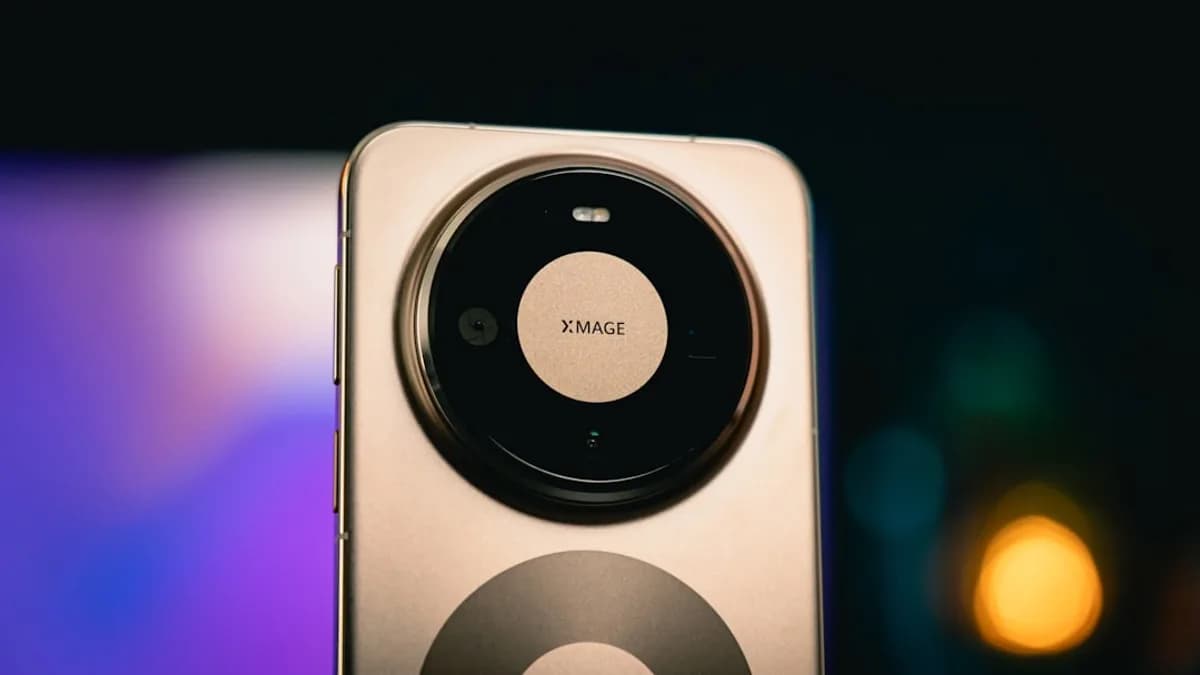
Huawei’s Mate 90 Pro Max looks set to break from the pixel-stretching pack and bring true 10x optical zoom back to flagships, according to a fresh leak cited by Notebookcheck. For years, smartphone makers chased “lossless” zoom with digital tricks—sensor cropping, upscaling, AI noise reduction—while actual optical hardware stagnated or, in Samsung’s case, regressed. The Galaxy S24 Ultra’s optical telephoto maxes out at 5x, leaving users with software-dependent “Space Zoom” that rarely matches the sharpness or clarity of a dedicated lens.
What’s at stake isn’t just megapixels or marketing bravado. True optical zoom delivers detail and color fidelity that digital zoom can't replicate, especially at long telephoto ranges. Huawei’s move, paired with Oppo’s Find X9 Ultra (which sports a dedicated 50MP periscope lens for 10x zoom), signals a hardware-first comeback. They’re betting users will notice the difference—and care enough to pay for it.
This is a direct challenge to the status quo. Sensor-crop zoom relies on ever-larger sensors and post-processing, but the laws of physics haven’t changed. The best smartphone shots at 10x or 15x still come from glass, not software. Huawei and Oppo’s return to ultra-telephoto hardware isn’t nostalgia; it’s a calculated play to retake the crown from Samsung and Apple, whose recent flagships have settled for less.
Crunching the Numbers: How 10x Optical Zoom Specs Stack Up Against Competitors
Huawei’s Mate 90 Pro Max is rumored to pack a 10x optical periscope lens, likely paired with a bespoke sensor in the 50MP range, echoing Oppo’s Find X9 Ultra. Oppo’s flagship uses a 1/2.4” sensor behind its 10x lens, delivering crisp telephoto shots at effective focal lengths above 230mm—territory that rivals rarely touch. The Find X9 Ultra’s zoom module is engineered for minimal aberrations and color shifts, thanks to advanced lens coatings and precision glass stacking.
Contrast that with Samsung. The Galaxy S24 Ultra, launched in early 2024, features a 5x optical telephoto lens with a 10MP sensor—half the resolution and half the zoom factor of Oppo’s or Huawei’s new hardware. Samsung’s “Space Zoom” mode touts 100x magnification, but only the first 5x is true optical; everything beyond relies on sensor cropping and AI-driven interpolation, which leads to softness and artifacts at high magnification.
Lab tests and real-world reviews consistently show the difference. At 10x, periscope hardware from Huawei and Oppo produces sharper edges, truer colors, and better low-light results than Samsung’s digital zoom. In DXOMARK’s 2024 telephoto rankings, hardware-driven zoom modules scored 15-20 points higher than sensor-crop alternatives at equivalent magnification. Oppo’s Find X9 Ultra, for instance, maintains over 90% detail retention at 10x, while Samsung’s S24 Ultra drops below 70%.
The sensor size matters too. Larger sensors improve dynamic range and noise handling, especially at long focal lengths. Oppo’s 1/2.4” telephoto sensor dwarfs the 1/3.5” sensor found in Samsung’s 5x module. Huawei’s track record suggests they’ll match or exceed Oppo’s specs, aiming for strong low-light and high-contrast performance.
For users, these differences aren’t subtle. At 10x, a cityscape shot from a Huawei or Oppo phone can resolve individual window panes, while Samsung’s result blurs into mush. This isn’t just spec-sheet bragging; it’s visible, everyday impact for anyone who actually uses telephoto.
Diverse Stakeholder Views on the Revival of Ultra-Telephoto Zoom in Flagship Phones
Smartphone manufacturers are split. Huawei and Oppo tout 10x optical zoom as a differentiator—a way to lure enthusiasts and professional users who crave real telephoto power. Their engineers argue that periscope modules, though complex and expensive, unlock creative possibilities: wildlife, sports, distant architecture, all rendered with DSLR-like clarity. They’re betting that the cost and complexity will pay dividends in brand loyalty and market share.
Samsung, meanwhile, defends its hybrid approach. Executives point to the thinner chassis, improved battery life, and “good enough” zoom quality for most users. They argue that the diminishing returns of ultra-telephoto hardware don’t justify the added bulk, citing consumer surveys that prioritize portability and all-day battery over a niche camera feature.
Photography experts largely side with Huawei and Oppo. In interviews with imaging labs and pro photographers, the consensus is clear: true optical zoom is irreplaceable when clarity matters. AI-driven digital zoom can’t fully compensate for the loss of detail, especially when shooting at night or capturing moving subjects. They see 10x optical as the gold standard for smartphone telephoto, not a gimmick.
Consumers are less unanimous. Surveys from Counterpoint and IDC show that camera quality remains a top driver for flagship upgrades, but only 22% of buyers rank telephoto performance above wide-angle or selfie features. Still, in markets like China and Europe, the “zoom wars” have fueled a spike in sales for Oppo’s Find series and Huawei’s P-series, suggesting a growing appetite for hardware-driven photography.
Tracing the Evolution: From Huawei P40 Pro+ to Today’s Ultra-Telephoto Innovations
Huawei was the first to crack 10x optical zoom in a mainstream phone with the P40 Pro+ in 2020. That device packed a dedicated periscope lens and a custom sensor, outpacing rivals who stuck to 3x or 5x optical modules. The P40 Pro+ set a benchmark: DXOMARK crowned it king of telephoto, and tech reviewers praised its ability to capture distant detail with minimal distortion.
Since then, the industry has wavered. Samsung briefly pushed 10x optical in the Galaxy S21 Ultra (2021), but retreated to 5x in subsequent models, citing cost and engineering trade-offs. Apple never crossed the 5x threshold, instead focusing on computational photography and sensor upgrades.
Oppo jumped back into the fray with the Find X9 Ultra’s 10x periscope in early 2024, reigniting competition. This module, built with more advanced lens materials and a larger sensor, fixes many of the problems that plagued early periscope designs—such as edge softness and chromatic aberration.
The impact has been clear. Each leap in optical zoom has forced rivals to rethink their camera priorities. When Huawei introduced the P40 Pro+, Samsung responded with the S21 Ultra’s dual telephoto setup. When Oppo launched its Find X9 Ultra, Xiaomi and Vivo began teasing their own periscope projects. The cycle is driven by real-world demand: photography enthusiasts, travel bloggers, and content creators want hardware that delivers, not just software that fakes.
What the Return of 10x Optical Zoom Means for Smartphone Photography Enthusiasts and the Industry
For serious photographers, the return of 10x optical zoom is a watershed moment. It means smartphones can finally rival mid-range DSLRs for telephoto shots—without the bulk or complexity. Travel shooters can capture wildlife from afar, street photographers can document candid moments discreetly, and architecture fans can frame distant details with precision.
This shift will reshape how brands market their flagships. Huawei and Oppo are already running campaigns that highlight “true zoom” and “hardware over hype.” Expect a renewed focus on lens specs and sensor quality in launch events, pushing back against the narrative that computational tricks are enough.
The industry consequences are broader. Samsung faces pressure to reintroduce ultra-telephoto hardware or risk losing its reputation among camera-first buyers. Apple, which has never prioritized telephoto beyond 5x, may be forced to reconsider its approach if market share slips. Mid-tier brands like Xiaomi and Vivo, watching the surge in Oppo and Huawei sales, may accelerate their own periscope projects.
There’s also a cost calculus. Periscope modules are expensive—often adding $50-70 to BOM, and requiring thicker bodies and more advanced stabilization. Brands must decide if the marketing and user benefits justify the trade-offs. For Huawei and Oppo, the answer seems clear: win the camera war, even if it means sacrificing some portability or battery life.
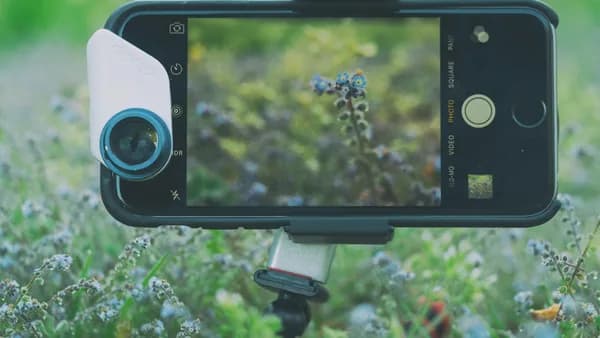
But the real winner is the user. Attachable lens kits and pocket cameras have always been a compromise; now, a flagship phone can capture a bird in flight or a distant landmark with clarity that was impossible just a year ago. The difference is obvious to anyone who’s tried.
Predicting the Future: Will Ultra-Telephoto Zoom Become the New Standard in Android Flagships?
Huawei and Oppo have drawn a line in the sand. If their gambit pays off—if sales surge and reviews laud their telephoto prowess—other Android brands will have little choice but to follow. Expect Xiaomi, Vivo, and perhaps even OnePlus to debut 10x optical modules in 2025, using larger sensors and improved stabilization.
Technologically, there’s room to go further. Dual periscope setups, variable focal length lenses, and foldable sensor arrays could push optical zoom to 15x or beyond. But hardware complexity and cost will temper advances; only brands with deep pockets or camera-centric audiences will jump in.
For Samsung, the next move is crucial. If they stick with 5x and digital zoom, they risk losing enthusiasts to rivals. If they reintroduce 10x optical, they’ll face engineering and supply chain hurdles—but recapture their reputation as camera leaders.
The bottom line: Ultra-telephoto zoom is no longer a gimmick. It’s a battleground, and the brands that invest in real hardware will set the pace for the next generation of smartphone imaging. If you care about photography, watch the Mate 90 Pro Max and Find X9 Ultra closely—because their success will shape what’s possible in your pocket for years to come.
Why It Matters
- Huawei and Oppo are reviving true 10x optical zoom, raising the bar for smartphone photography hardware.
- Samsung and Apple’s reliance on digital zoom may leave their devices at a disadvantage for image clarity at high zoom levels.
- Consumers benefit from improved telephoto shots, with better detail and color fidelity, thanks to hardware innovation.