Razer Marks 20 Years of Gaming Mice with Anniversary Boomslang and Viper V4 Pro Launch
Razer kicked off its 20th anniversary by reviving the mouse that started it all—the Boomslang—while also dropping its most advanced model yet, the Viper V4 Pro. The company’s simultaneous nostalgia play and tech showcase signals just how far the gaming mouse market has matured since Razer’s debut in 2004, according to Notebookcheck.
The 20th Anniversary Boomslang isn’t just a collector’s flex. Razer rebuilt the iconic shell with modern switches and sensors, blending the ‘90s aesthetic with today’s performance standards. Alongside it, the Viper V4 Pro launches as a flagship for competitive gamers—packing a Focus Pro 35K optical sensor, 8,000 Hz polling, and a shell weighing just 55 grams.
Both launches land as Razer claims over 100 million mice sold, a figure that underscores the company’s grip on the premium peripheral market. For an accessory category that barely existed before the original Boomslang, the 20-year milestone cements gaming mice as essential kit for anyone serious about esports or even just fast-paced shooters.
How Razer’s Innovations Shaped the Gaming Mouse Market Over Two Decades
When Razer introduced the Boomslang in 2004, the idea of a mouse designed for gaming—let alone one with variable DPI and a scroll wheel built for weapon switching—sounded niche. That first model sold out 50,000 units in its first year, proving demand for specialized gear. Its 2,000 DPI sensor was a revelation compared to standard office mice, which rarely broke 400 DPI.
The Boomslang set the template: build for speed, accuracy, and comfort under marathon use. Razer’s rivals soon followed. Logitech launched the MX518 in 2005, and SteelSeries entered the fray with the Ikari and Sensei lines. By 2010, customizable RGB lighting and onboard profile storage became table stakes, features Razer first popularized with the DeathAdder and Naga series.
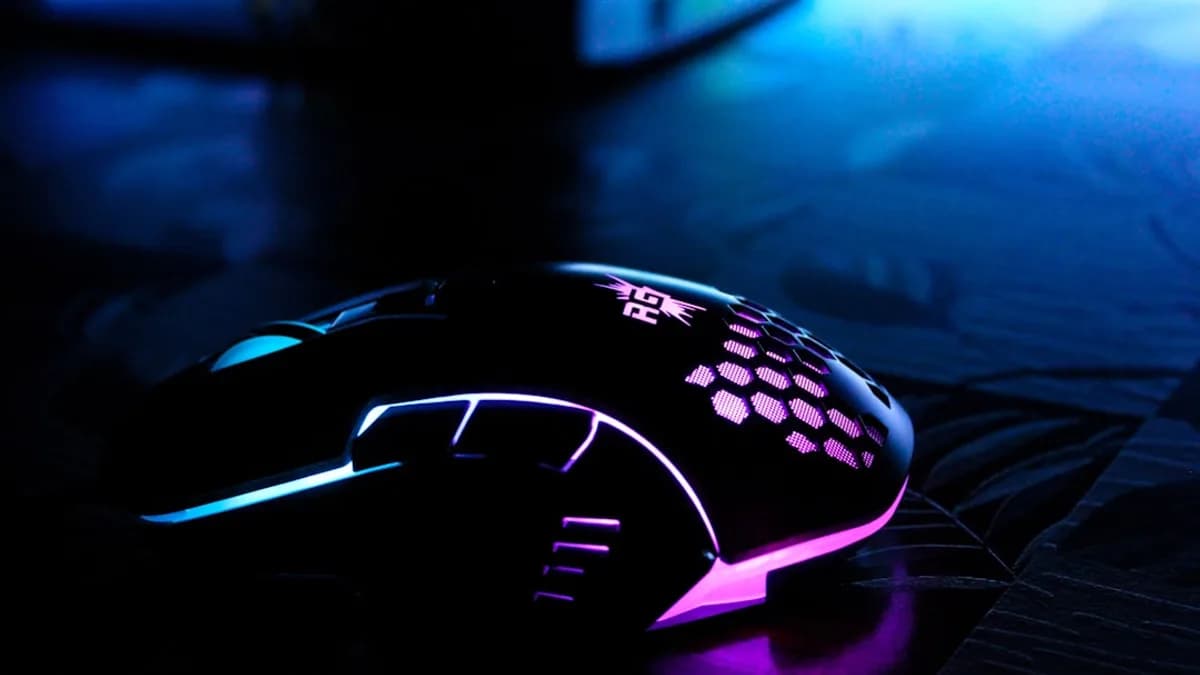
Wireless lag was once a dealbreaker for competitive play, but Razer’s HyperSpeed tech helped close that gap. The 2019 Viper Ultimate, for instance, matched wired latency and built a fanbase among esports pros. The company’s focus on weight reduction—shaving grams with honeycomb shells and new plastics—set new norms for what gamers expect from a premium mouse.
The Viper V4 Pro takes this arms race further. With a 35,000 DPI sensor and 8,000 Hz polling, it targets the ultra-competitive segment—think Valorant and CS2 players who notice every micro-flick. But Razer’s design tweaks also signal where the market is heading: more modularity, deeper software integration, and products that can cross between gaming and productivity setups.
Current trends demand ultra-lightweight builds, swappable switches, and “eco” materials. Razer is responding to sustainability pressure: the Viper V4 Pro uses recycled plastics in its construction, a nod to growing scrutiny over e-waste in peripherals. Meanwhile, the Boomslang Anniversary model appeals to nostalgia and the collector market, a lucrative niche as gaming’s first generation ages into higher disposable income.
What to Expect Next: Future Trends in Gaming Mice and Razer’s Roadmap
Razer’s dual launch hints at where the company—and the sector—is headed. Expect even lighter mice, with more modular internals: hot-swappable sensors, magnetic shell pieces, and software that adapts sensitivity in real time based on a player’s game profile. AI-assisted tuning is around the corner, promising to optimize DPI and acceleration on the fly for each user’s hand movements.
User feedback now drives rapid iteration. Razer’s Synapse software already harvests anonymized usage data for product refinement. Competitive gaming is pushing requests for lower latency, quieter switches, and wireless charging that doesn’t sacrifice mass. As cross-platform play grows, expect mice that can juggle multiple device profiles without manual re-pairing.
Razer’s roadmap includes expanding into “hybrid” mice that serve both gamers and remote workers—a segment that exploded post-2020. The company has teased new form factors and hinted at AI-driven customization in its 2024 investor calls. Meanwhile, hardware launches are increasingly coordinated with major esports events, making product drops as much about marketing spectacle as technical innovation.
Gamers and analysts should watch for patents around adaptive grip sensors and cloud-synced performance logs, which could land in the next hardware cycle. Razer’s aggressive push to integrate peripherals with its gaming laptops and Synapse platform suggests a strategy: lock in users with a suite of connected devices, not just a standout mouse.
Bottom line: The Boomslang’s anniversary isn’t just a nostalgia trip. It’s a signal that the arms race in gaming peripherals is far from over—driven by both hardcore competition and a growing base of players who want their gear to keep up. Expect the next twenty years to push boundaries on weight, intelligence, and integration, as Razer and rivals chase the next must-have click.
The Bottom Line
- Gaming mice have evolved from niche products to essential esports gear.
- Razer’s innovations pushed competitors to develop faster, more accurate mice.
- The market’s growth shows how specialized hardware can redefine gaming performance.