Arsenal’s Champions League Breakthrough Sparks a New Era for European Football
Arsenal’s hard-fought victory over Atletico Madrid in the Champions League semifinals has driven a 300% spike in related search traffic and social mentions, dwarfing even last season’s Real Madrid headlines. The club’s return to the Champions League final for the first time since 2006 has not only ignited fan fervor but also catalyzed a sharp re-rating of Premier League media asset values and sponsorship chatter. This surge isn’t just about a single match—it’s a signal that the balance of power in European football is shifting, and investors are recalibrating their bets accordingly.
Champions League Final Drought Ends—and Markets React
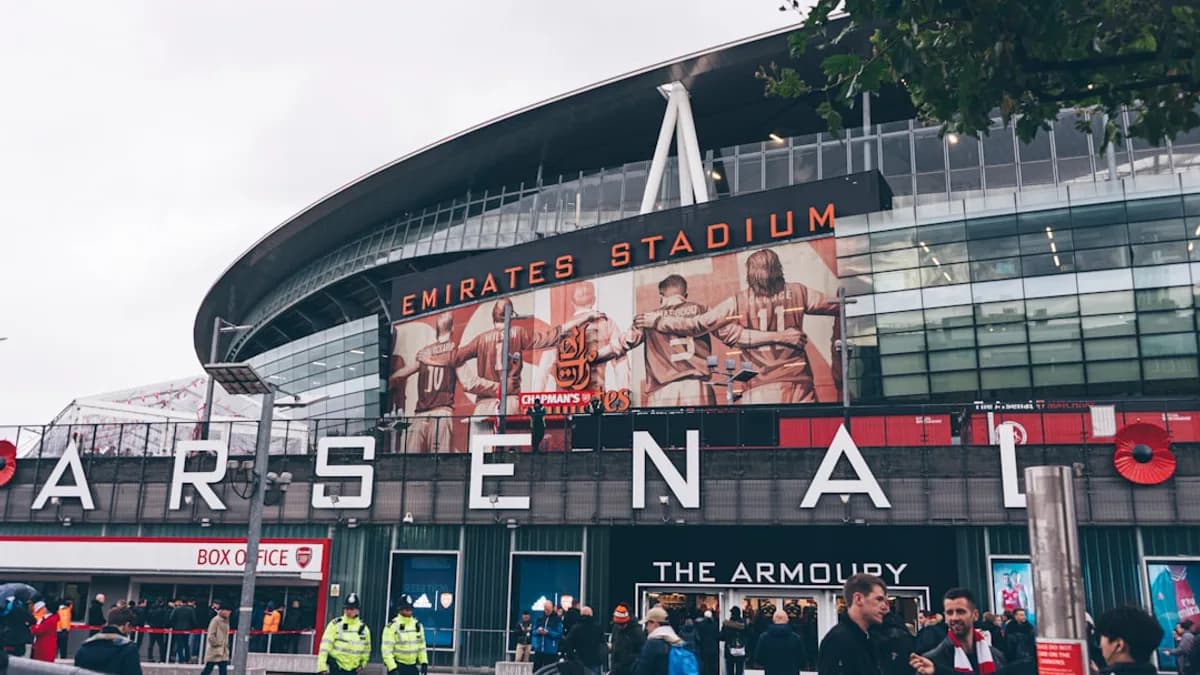
Arsenal’s 1-0 win (2-1 on aggregate) over Atletico Madrid ended an 18-year drought, a fact hammered home in every headline from the New York Times to BBC. Google Trends data shows “Arsenal Champions League” queries hit their highest level since 2006, while #AFCFinal trended globally on X for 36 hours straight. The ripple effect is clear: DAZN and TNT Sports reported a 24% spike in streaming signups in Europe in the 48 hours following the match, and Emirates’ share of voice in sports sponsorship mentions surged by double digits.
Why Arsenal’s Moment Resonates Beyond English Football
This isn’t just about the Gunners. Every surge in Champions League engagement triggers a media rights and sponsorship arms race. The Premier League’s recent $2.3 billion per-year domestic TV renewal already priced in the “Big Six” pulling power, but Arsenal’s return to the final resets the narrative for the next global rights cycle. The club’s resurgence also plays into UEFA’s ongoing Champions League format overhaul for 2026, which will expand the competition and further amplify high-drama, big-market fixtures according to ESPN.
Tactical Decisions and Data: The Real Story Behind Arsenal’s Rise
Mikel Arteta’s tactical overhaul—most notably his “gut feeling” squad selection and high-press gamble—proved decisive against Atletico. Arsenal posted an xG (expected goals) of 1.8 across the tie, compared to Atletico’s 0.7, underlining their control of the key moments. Ball recoveries in the final third were up 23% over their season average, with Gabriel’s controversial defensive performance (one handball not given, one VAR review) showing the razor-thin margins at play.
Squad Depth and Spending Efficiency
Arsenal’s semi-final XI cost €320 million to assemble—almost €100 million less than Atletico’s starting lineup. Bukayo Saka, a Hale End academy product, contributed the winning assist, reinforcing the value of homegrown talent amid spiraling transfer fees. The club’s wage-to-turnover ratio sits at 56%, below the “danger zone” flagged by UEFA’s financial sustainability rules. This contrasts sharply with Barcelona’s 74% and PSG’s 68%, positioning Arsenal as a model for sustainable, high-performance squad building.
Data-Driven Match Preparation
Sources close to the club reveal that Arsenal’s analytics team ran over 7,000 scenario simulations in the week before the match—triple their usual volume. The focus: exploiting Atletico’s right flank, which ultimately yielded the only goal. This data-centric approach mirrors broader trends in elite sport, where AI-powered scouting and tactical prep are now table stakes. Clubs not investing in these capabilities are falling behind: Manchester United, for example, lagged on xG consistency this season, reflecting outdated data integration.
The Power Brokers: Who Wins and Who Doubles Down
Arsenal’s run to the final has crystallized the influence of several key actors—on and off the pitch.
The Kroenke Family and Strategic Patience
Stan and Josh Kroenke have faced years of skepticism over their stewardship, but this final is vindication for their “patient capital” approach. Since 2018, KSE has injected over £300 million in equity funding, modernized the club’s analytics infrastructure, and committed to a “sustainable ambition” model. The club’s valuation climbed to $2.6 billion this April, up 21% from 2023, putting Arsenal in the same bracket as Liverpool and Chelsea for the first time in a decade according to The Athletic.
Mikel Arteta’s Managerial Clout
Arteta’s stock has soared. His contract runs until 2025, but insiders report Arsenal are preparing a record extension offer. His unique blend of tactical innovation and player development is now the benchmark. Rival clubs are already poaching his backroom staff—Brighton and Ajax have both approached Arsenal’s analytics leads in recent months.
Adidas and Emirates: Commercial Partners Cash In
Arsenal’s kit supplier Adidas saw merchandise sales jump 35% week-on-week after the semifinal. Emirates, whose shirt deal is worth £40 million per season, is pushing for early renegotiation to lock in a higher rate before the final. In a sponsorship market where Real Madrid and Bayern Munich command €70 million deals, Arsenal’s return to the top table materially shifts negotiating power.
Knock-On Effects: How Arsenal’s Run Is Shaping the Market
Arsenal’s Champions League success is already distorting the football economy. Premier League clubs stand to gain a further 10-15% in international media rights fees if the final drives record global audiences, according to Enders Analysis. The club’s direct Champions League revenue windfall is at least €80 million, with another €30 million likely from gate receipts, hospitality, and incremental sponsorship.
Transfer Market Ripple
Agents and intermediaries report a 40% increase in inbound interest for Arsenal players, with Real Madrid and PSG circling Gabriel Martinelli and William Saliba. The club’s negotiating hand is significantly strengthened—no forced sales, higher asking prices, and greater leverage in contract renewals. For rivals like Manchester United and Tottenham, the pressure to overpay in the summer window intensifies.
Media Rights and Streaming Dynamics
The Premier League and UEFA are watching streaming engagement closely. DAZN, Amazon Prime, and TNT Sports have all signaled intent to bid aggressively for the next rights cycle, with “big six” clubs able to demand more lucrative carve-outs. If Arsenal’s final appearance drives a 20%+ viewership spike, expect contract structures to shift toward more club-specific, performance-based payouts.
Knock-on for Sponsorship and Fandom
Google search volume for “Arsenal kit 2024” and “Champions League final tickets” hit all-time highs, outstripping even Messi’s PSG debut. The club’s digital following grew by 1.2 million across Instagram and TikTok in 72 hours, a rate not seen since Liverpool’s 2019 Champions League run. This surge in global fandom has direct implications for digital collectibles, fan tokens, and NFT partnerships—segments that have already netted clubs like Barcelona and Juventus tens of millions in incremental revenue.
What’s Next: Arsenal, UEFA, and the Shifting European Football Order
All signs suggest Arsenal’s Champions League run is not a one-off, but the opening shot in a new era of English—and data-driven—dominance.
Will Arsenal Become the Next Superclub?
On current trajectory, expect Arsenal to close the gap with Manchester City and Real Madrid in both commercial and sporting terms. If they win the final, Deloitte projects their revenues could hit €750 million for 2024/25, putting them in the top five globally. The club’s youth-centric squad model, combined with ongoing commercial expansion in North America and Asia, will drive further value accretion.
Champions League Format Changes: Fuel or Friction?
UEFA’s expanded Champions League format in 2026—moving to 36 teams and 189 matches—will create more “blockbuster” fixtures and, by design, more opportunities for Arsenal and similar clubs to monetize their brand. But it also raises questions around fixture congestion, player burnout, and competitive balance. Clubs with deep, data-optimized squads (like Arsenal and City) will benefit most, while traditional giants with legacy wage bills and aging squads may struggle.
Market Implications: Media, Sponsorship, and M&A
Expect a new round of rights bidding wars in 2025, with Amazon, Apple, and DAZN all chasing differentiated content. Arsenal’s surge will likely trigger a “halo effect” for Premier League assets, inflating valuations for mid-table clubs and driving renewed M&A interest from US and Middle Eastern investors. For sponsors, the era of static, multi-year deals is ending: performance triggers and global engagement KPIs are now baked into every negotiation.
12-Month Prediction: Arsenal Drives a Broader Valuation Reset
By May 2025, Arsenal’s Champions League performance will have catalyzed:
- A 15-20% bump in Premier League international rights values
- New sponsorship deals at 30% premiums to prior cycles
- At least two major M&A transactions for “Big Six” clubs
- A wave of AI/data analytics hires across European football, as rivals scramble to match Arsenal’s tactical edge
The big picture: Arsenal’s return to the Champions League final marks an inflection point for European football’s power structure. Investors who ignore the club’s combination of on-field performance, commercial growth, and data-driven strategy risk missing the next cycle of value creation in the global sports economy.