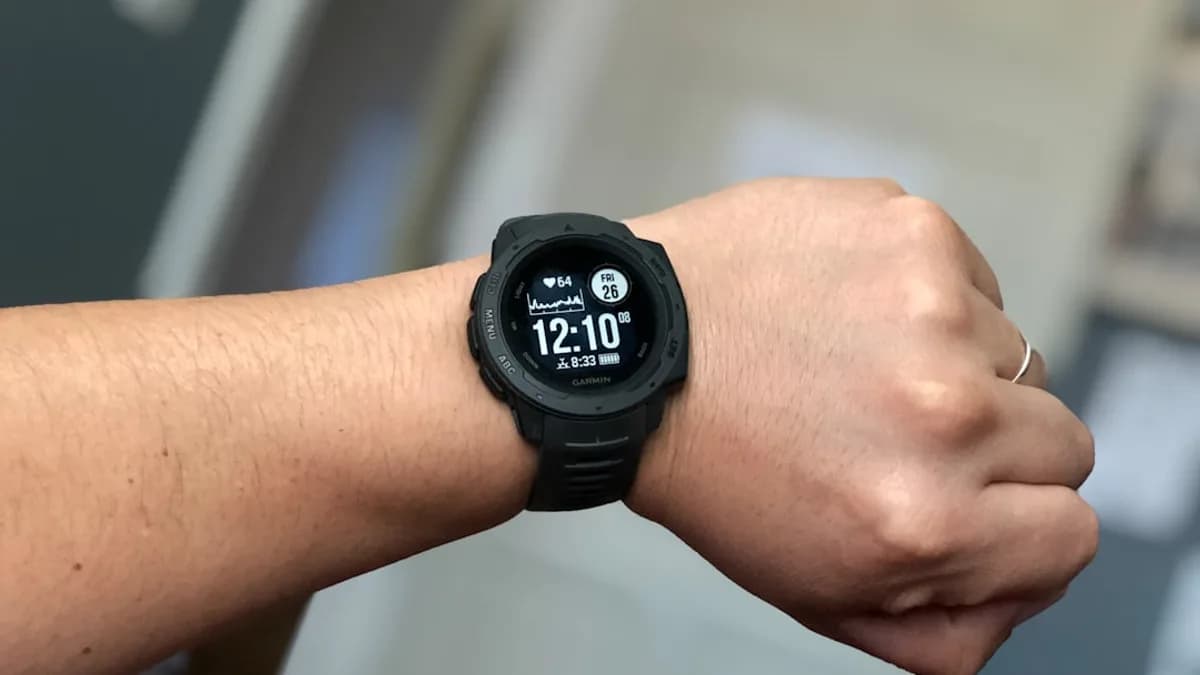
Why Garmin Smartwatch’s Inaccurate Fitness Metrics Should Concern Every User
Garmin’s smartwatch stumbles where it matters most: reliably measuring key fitness metrics. For the millions who strap on wearables expecting truth in numbers—VO2 max, heart rate, calories burned—this should be a red flag, not a footnote. A new study lands a blow to Garmin’s reputation, finding its device alarmingly off-target in essential data points, even as the company markets itself to athletes and health-conscious consumers according to Notebookcheck.
Why does this matter? Because training plans, medical decisions, and even insurance programs increasingly hinge on wearable data. A runner aiming for a Boston Marathon qualifying time needs accuracy, not guesswork. A cardiac patient should not have to second-guess whether their recovery stats are fiction. Faulty metrics risk everything from wasted training cycles to dangerous health misjudgments—and yet, the average user rarely questions the numbers on their wrist. The bottom line: If the data is off, the device is not just useless—it’s actively misleading.
Analyzing the Study: What the Data Reveals About Garmin’s Measurement Flaws
Researchers put a specific Garmin smartwatch under the microscope, comparing its readings against gold-standard lab equipment. The results are sobering. The device’s estimation of VO2 max—the oxygen uptake metric prized by endurance athletes—missed the mark by a meaningful margin. For some users, the smartwatch reported figures that swung several points away from lab results, enough to misclassify athletic performance or cardiovascular risk. Steps and heart rate fared better, with readings mostly within an acceptable error range, but the variability in advanced metrics stands out.
The study’s protocol was rigorous: participants performed controlled treadmill and cycling tests, with simultaneous data capture from the Garmin watch and lab sensors. Researchers accounted for variables like age, fitness level, and exercise intensity. However, they do note limitations: the sample size was modest, and only one Garmin model was tested. External factors such as skin tone, sweat, and device fit—known to skew optical sensors—weren’t exhaustively controlled. Translation: while the findings can’t indict every Garmin on the market, they’re a credible warning that the data isn’t always as smart as the watch wants you to believe.
This isn’t a one-off. Past studies have flagged similar inconsistencies in wearables from Fitbit and Apple, especially during high-intensity activity or with non-standard body types. Yet Garmin’s pitch has always leaned on precision for serious athletes—a claim now under sharper scrutiny.
The Impact of Inaccurate Fitness Tracking on User Health and Training Outcomes
The cost of bad data isn’t abstract. Athletes using skewed VO2 max readings risk training in the wrong intensity zones, stalling progress or flirting with overtraining injuries. Casual users might end up with a false sense of accomplishment, overestimating calories burned and underestimating the need for recovery or dietary adjustments. For patients with chronic conditions, an erroneous resting heart rate or recovery metric could mask warning signs, delaying medical intervention.
The fitness tech market is on track to hit $100 billion by 2028. Trust in these devices is the foundation of that growth. When that trust erodes, users may abandon wearables altogether, or worse, continue making decisions based on faulty information. The market’s promise—personalized, data-driven health—unravels if the data can’t be trusted.
Addressing the Counterpoint: Why Some Users May Still Find Value in Garmin Smartwatches
To be fair, not every user needs lab-grade precision. For someone walking more for general health than for competition, even rough estimates can motivate better habits. Garmin’s watches offer robust battery life, navigation features, and an interface many find more intuitive than competitors. Brand loyalty runs deep; for outdoor adventurers, the device may be more about mapping than metrics.
There’s also comfort in consistency: even if the data isn’t perfect, it can still show trends over time, as long as users understand its limits. For daily step counts or sleep tracking, a small margin of error won’t derail most goals.
How Garmin Can Improve and What Users Should Do to Protect Their Fitness Goals
Garmin’s next move is clear: invest in algorithm transparency and device calibration, and publish error margins for every metric. The company should open its devices to independent validation and commit to regular firmware updates that prioritize accuracy. Fitness tech is a trust business; restoring that trust means being honest about what the numbers do—and don’t—mean.
Users shouldn’t surrender blind faith to any wearable. Cross-check advanced metrics with other sources: lab tests, chest straps, or even manual pulse checks. Treat smartwatch data as a guideline, not gospel. And raise expectations—if you’re paying hundreds for a “smart” watch, demand smarter numbers.
The industry’s trajectory is set: the future belongs to devices that earn user trust, not just market share. If Garmin and its rivals want to be more than fancy pedometers, they’ll need to prove their accuracy in the open, not just in marketing copy. Until then, skepticism is the most valuable metric you can track.
Impact Analysis
- Inaccurate fitness metrics can lead to misinformed training and health decisions.
- Wearable data is increasingly used for medical oversight and insurance programs.
- Garmin's reliability is critical for athletes and patients who depend on precise measurements.