Why Open-Ear Earbuds Like Oppo Enco Clip2 Are Reshaping Audio Trends
Open-ear earbuds have started to chip away at the dominance of in-ear models, not because they sound radically better, but because they solve problems traditional buds can’t touch. The market for “open-ear” designs—where audio is delivered without sealing the ear canal—has surged since 2022, with global shipments rising 38% year-over-year according to Counterpoint Research. The appeal isn’t just comfort; it’s situational awareness. Runners, cyclists, and office workers want to hear their surroundings without sacrificing music or call quality.
Oppo’s Enco Clip2, which debuted in June 2024, doesn’t just follow the trend; it pushes the category forward. Its clip-style design aims to blend comfort with a secure fit, targeting users who find conventional “open-ear” hooks either awkward or unreliable. Unlike bone conduction rivals such as Shokz, which transmit sound through the jaw, Oppo’s Clip2 delivers audio via a more traditional driver system but leaves the ear unobstructed—an approach that sidesteps the muddy bass and “tinny” highs bone conduction often struggles with.
What’s new here is Oppo’s laser focus on practical features: dual drivers for richer sound, longer battery endurance, and AI-powered connectivity. As Gsmarena reports, the Clip2 slots into a segment that’s finally matching user needs—comfort, awareness, and uncompromised audio. The question is: Can Oppo’s approach carve out a spot in a market where AirPods and Sony LinkBuds dominate, or will it be another niche footnote?
Dissecting Oppo Enco Clip2’s Dual-Driver Setup and Dynaudio Collaboration
Dual-driver systems in earbuds are rare, especially at the sub-$70 price point. Most competitors—Apple’s AirPods, Samsung’s Galaxy Buds—rely on a single dynamic driver, which limits the separation between bass and treble. Oppo’s Enco Clip2 bucks that trend, packing two drivers in each bud: one for low frequencies, one for mids and highs. This configuration promises tighter bass and clearer vocals, a leap from previous Enco Clip models that sounded flat in comparison.
The Dynaudio partnership isn’t just a sticker on the box. Dynaudio, a Danish brand revered for its studio monitors, co-tuned the Clip2’s drivers, optimizing frequency response and minimizing distortion. The result? Early hands-on reports point to improved clarity in the 200Hz–800Hz range, where traditional open-ear models often sound muddy. In practical terms, this means podcasts and calls are crisper, and acoustic tracks don’t get lost in a sea of midrange.
Compared to rivals, Oppo’s approach is aggressive. Sony’s LinkBuds, for instance, rely on a single ring driver and struggle with bass response, while Bose’s Open Earbuds prioritize comfort but compromise on sound detail. The Clip2’s dual-driver system, if Oppo’s claims hold up, could set a new benchmark for audio quality in the open-ear segment. The catch? More drivers mean more power draw and complexity, so real-world performance will ultimately hinge on battery management and tuning finesse.
Battery Life and Connectivity: How Oppo Enco Clip2 Enhances User Experience
Battery endurance is the Achilles’ heel of most open-ear designs. The original Enco Clip managed just 20 hours of total playback (with case), while competitors like Sony’s LinkBuds scratched out 17. Oppo claims the Clip2 can now hit 30 hours—a 50% jump—thanks to a more efficient chipset and optimized drivers. On the buds themselves, users get about 8 hours per charge, beating the AirPods (6 hours) and matching the best from Bose.
Connectivity is another area where Oppo has cut friction. The Clip2 runs Bluetooth 5.3, improving latency and stability versus earlier models. That means fewer dropped connections during calls, smoother audio when watching video, and faster pairing. AI-powered features, such as adaptive noise filtering and “Smart Connect” for seamless device switching, bring the Clip2 closer to the premium tier. These AI tweaks aren’t just hype: they help the buds automatically prioritize voice clarity during calls, a feature that’s been hit-or-miss on rivals.
For users, the payoff is less downtime and more reliable performance. Commuters won’t have to worry about dead buds mid-day. Multi-device users—think phone, laptop, tablet—can jump between devices without fumbling through menus. While the Clip2 doesn’t offer active noise cancellation (ANC), its improved battery and connectivity stack up well against competing open-ear options, making it a practical choice for those who value convenience over audiophile-grade isolation.
Unboxing Experience and Accessory Strategy: What Oppo’s Minimalist Approach Signals
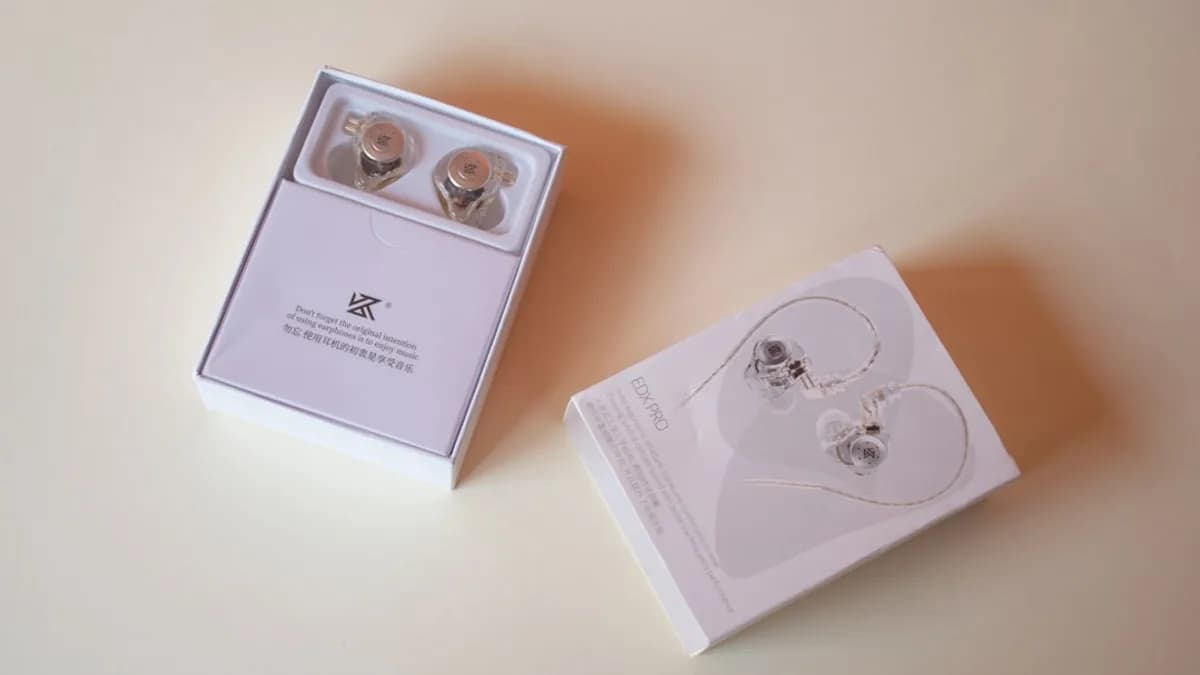
Oppo’s Enco Clip2 unboxing is stark: charging case, earbuds, and nothing else. No USB-C cable, no extra tips, no user manual beyond a QR code. This minimalism isn’t accidental. Most rivals, from AirPods to Galaxy Buds, still toss in a cable—even though over 70% of buyers already own one. By skipping accessories, Oppo cuts packaging waste and manufacturing costs.
The move isn’t universally popular. Consumers expect at least a cable, especially when paying $60–$80 for new tech. Yet Oppo’s gamble mirrors broader industry shifts: Apple stopped including chargers with iPhones, citing environmental benefits, and Samsung followed suit. The trend is clear—brands are betting users will prioritize sustainability and simplicity over freebies.
Environmental concerns loom large. Packaging accounts for roughly 10% of electronics’ carbon footprint, according to Greenpeace. Oppo’s strategy signals a shift toward “bare essentials,” challenging norms set by legacy players. The risk? Frustrating users who see minimalist packaging as penny-pinching rather than eco-conscious. The reward? Lower costs and a green reputation—if Oppo can tell that story convincingly.
Stakeholder Perspectives: What Consumers, Audiophiles, and Industry Experts Say About Oppo Enco Clip2
Early consumer feedback centers on comfort and fit. The clip-style design, lighter than the previous Enco Clip and most bone conduction models, appeals to users who spend hours on calls or workouts. One user review on JD.com noted, “They don’t slip, even during running, and my ears aren’t sore after two hours.” This solves a pain point with bulky open-ear competitors.
Audiophiles are skeptical. Forums like Head-Fi point out that dual drivers don’t guarantee fidelity, especially if tuning is off. Some testers reported “slightly recessed mids” and “modest soundstage”—trade-offs inherent in open-ear designs. The lack of ANC is a sticking point for listeners in noisy environments, but for podcast lovers and casual music fans, clarity and comfort trump immersion.
Industry analysts see Oppo’s move as both smart and risky. IDC’s Q1 2024 report highlighted the growing niche for open-ear buds, but warned that price pressure from legacy brands could squeeze margins. Oppo’s Dynaudio tie-up is seen as a differentiator, but only if marketing can sell the value of co-tuning to mainstream buyers. The Clip2’s AI features and battery endurance address real needs, but the true test will be adoption outside Asia, where brand loyalty is weaker.
Tracing the Evolution of Clip-Style Earbuds and Oppo’s Role in Shaping the Segment
Clip-style earbuds started as a quirky alternative in the mid-2010s, mostly marketed toward athletes. The earliest models—like the AfterShokz Trekz Titanium—relied on bone conduction, which limited market appeal due to poor bass and comfort issues. Open-ear designs using air conduction were niche until Apple’s AirPods popularized the “semi-open” concept, sparking a wave of imitators.
Oppo entered the scene with the original Enco Clip in 2021, targeting value shoppers. The first-gen Clip was a proof of concept: lightweight, affordable, but with middling sound and short battery life. The Enco Clip2 marks a turning point. Oppo now integrates dual drivers, Dynaudio tuning, advanced Bluetooth, and AI—all features previously reserved for flagship models. This trajectory mirrors Xiaomi’s Redmi Buds and Huawei’s FreeBuds, but Oppo’s focus on sound quality and comfort sets it apart.
Compared to rivals, Oppo moves faster. Sony’s LinkBuds took three generations to reach reliable battery life. Bose spent years refining fit. Oppo, in two cycles, has closed the gap on specs and user experience. The Clip2 isn’t just catching up—it’s pushing established brands to rethink how open-ear buds are designed, priced, and packaged.
What Oppo Enco Clip2 Means for the Future of Wearable Audio Technology
Oppo’s Clip2 doesn’t just raise the bar—it signals what’s next for wearable audio: smarter, more context-aware devices that blend comfort and convenience. The AI features in Clip2 are a preview; expect future models to offer real-time translation, adaptive EQ based on environment, and even health monitoring via embedded sensors. As Bluetooth standards evolve (Bluetooth 5.4 is already on the horizon), seamless device switching and lower latency will become baseline, not premium.
Industry trends point toward personalized audio experiences. Users want buds that know when to prioritize calls over music, or automatically adjust volume based on ambient noise. Oppo’s integration of AI is early-stage, but it’s the direction the market is heading. Battery tech is improving: graphene cells and “adaptive charge” algorithms could push earbuds toward 40+ hour endurance in the next 18 months.
Oppo’s strategic roadmap is clear: double down on audio quality and connectivity, while cutting packaging waste and simplifying the user experience. If Clip2 succeeds outside China, expect Oppo to roll out more AI-driven features, target premium segments, and pressure rivals to innovate. The open-ear category is no longer niche. Within two years, expect mainstream brands to offer their own dual-driver, AI-tuned, minimalist clip-style buds—and for users to demand them.
The Enco Clip2 is a signal, not just a product. It’s evidence that wearable audio is about to get smarter, greener, and—finally—tailored to real-world needs.
Why It Matters
- Open-ear earbuds like Oppo Enco Clip2 are growing in popularity for comfort and situational awareness.
- Clip2’s dual-driver and Dynaudio collaboration aim to improve audio quality at affordable prices.
- The segment is challenging traditional in-ear leaders, signaling a shift in consumer preferences.