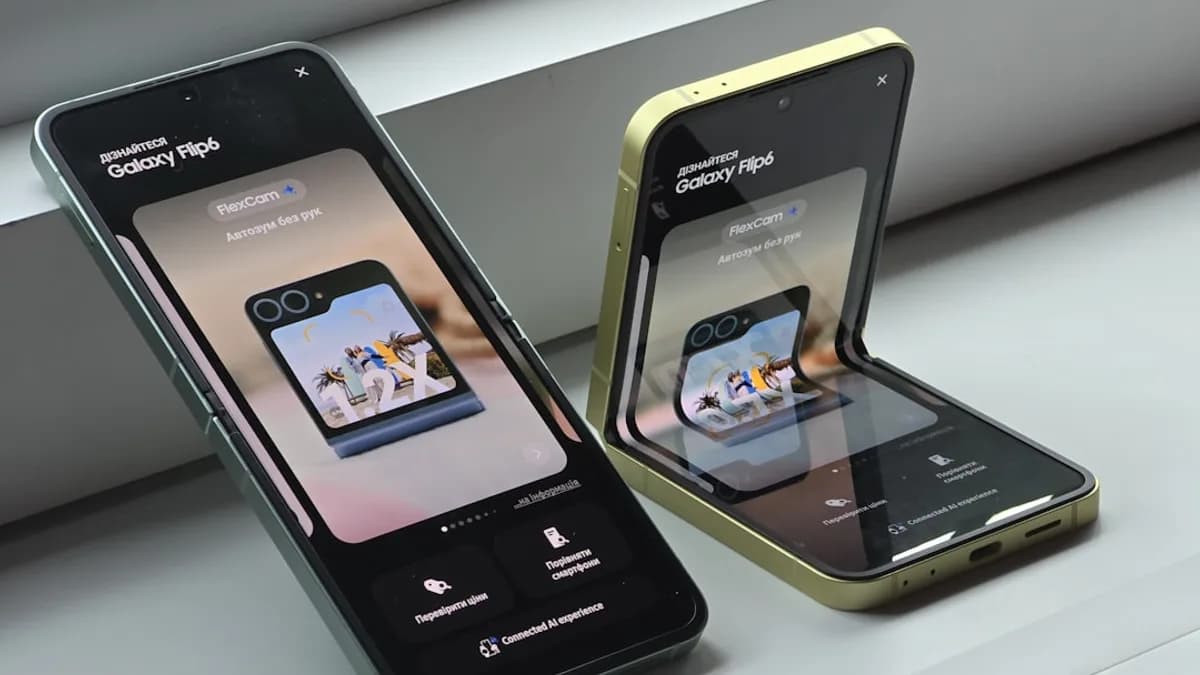
On July 15, Samsung’s next foldable story stopped being only about pricing leaks and launch timing: Samsung Display introduced Flex Titanium, a new foldable OLED structure aimed at the crease that has followed the Galaxy Z Fold line since 2019.
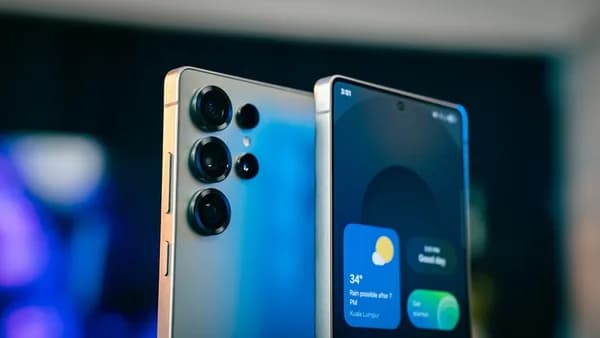
The timing matters because the technology is expected to appear on the Galaxy Z Fold 8 series at Galaxy Unpacked on July 22 in London, according to Notebookcheck. If it ships, Flex Titanium will be Samsung’s near-term test of whether foldables can feel less like compromised flagship phones and more like mainstream premium devices.
Why July 22 puts the Galaxy Z Fold 8 crease under pressure
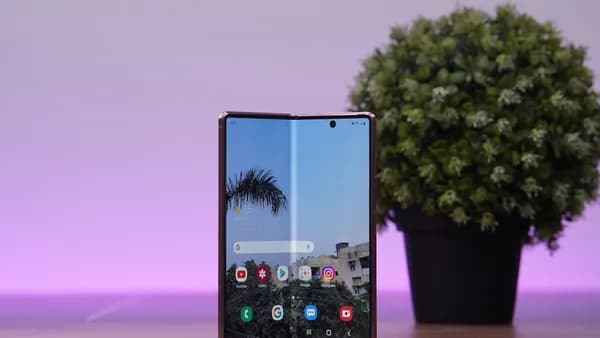
The crease is not a spec-sheet nuisance. It is the visual reminder that a foldable screen bends where a normal flagship display does not.
Notebookcheck reports that Flex Titanium is designed to address both crease and durability issues in foldable OLED panels, a display-risk theme that also appears in the Galaxy S26 Ultra red-screen scare. That makes it more than a material swap. Samsung is trying to solve a user-experience problem that buyers see every time the device opens.
For a phone expected to start at serious flagship pricing, that matters. Leaked US pricing cited by Notebookcheck points to the standard Galaxy Z Fold 8 starting at $1,899 for 256GB, while the Galaxy Z Fold 8 Ultra is tipped to start at $2,099. European leaks suggest €1,999 and €2,199 for the base configurations, while a leaked Harvey Norman slide puts Australian pricing at AUD 2,699 and AUD 2,999. None of those prices are confirmed.
That pricing context makes the crease harder to excuse. A buyer paying close to or above the $2,000 mark will judge the screen first.
Samsung says further details will be shared at Galaxy Unpacked on July 22 in London.
For related pre-launch context, MLXIO has also tracked the reported display appearance in Crease Almost Vanishes in Galaxy Z Fold 8 Ultra Leak and the pricing-camera trade-off in Galaxy Z Fold 8 Drops 200MP Camera but Keeps Top Price.
What Flex Titanium adds beneath Samsung’s foldable OLED
Flex Titanium is a new internal display structure, not a new outer screen coating.
Notebookcheck says the structure combines two titanium-based parts:
| Flex Titanium component | Where it sits | Reported role |
|---|---|---|
| Titanium-alloy film | Beneath the OLED panel | Part of the crease and durability strategy |
| Titanium plate | Below the display module | Structural support for the screen assembly |
The display stack still includes ultra-thin glass above the OLED panel, according to the source material. Samsung’s change is deeper in the module, where flexible layers must survive repeated folding without creating a visible deformation along the hinge line.
That is the key shift. Samsung’s previous approach has relied largely on hinge geometry and softer under-panel materials rather than structural metal reinforcement, Notebookcheck reports. If Flex Titanium works as described, Samsung is moving some of the crease fight from hinge design into the display stack itself.
Analysis: Titanium is attractive here because it is associated with strength-to-weight advantages and rigidity, but Samsung has not disclosed enough detail to say exactly how the alloy film and plate behave under long-term folding cycles. The useful claim is narrower: Samsung is adding titanium beneath the OLED structure to support the panel and reduce crease-related weaknesses.
How the foldable crease forms after repeated bending
A foldable crease forms because the same line of the display bends again and again.
Notebookcheck describes the issue as partly caused by flexible film layers beneath the OLED panel deforming under repeated folding. Once those internal layers change shape, the screen can reflect light differently at the fold line. That is why the crease often looks worse from certain angles or under direct lighting.
This is not the same engineering problem as making a flat smartphone screen brighter, sharper, or faster. A flat display does not repeatedly fold around a hinge radius. A foldable panel must stay flexible enough to close, firm enough to look flat when open, and durable enough to repeat that motion over time.
The hard part is that those goals conflict. A softer stack may bend more easily. A firmer stack may support the panel better. The hinge controls how sharply the display folds, while the internal films and support layers determine how the panel behaves after repeated stress.
That is why a crease fix cannot come from one visible part alone. The hinge, under-panel support, OLED layer, protective glass, and internal films all shape what users see when the device opens.
How titanium could reduce the Fold 8 crease without adding obvious bulk
The promise of Flex Titanium is force distribution.
If a stronger internal support layer spreads bending stress more evenly across the display stack, the fold line may become less pronounced. That does not require Samsung to make the phone visibly thicker in the way a crude reinforcement might. The reported design uses a titanium-alloy film and a titanium plate under the panel, which points to reinforcement inside the display module rather than an external redesign.
Samsung’s challenge is restraint. Add too much rigidity and the display may resist folding. Add too little and the crease remains. Flex Titanium appears to target the middle: more structure beneath the OLED while keeping the foldable form factor intact.
Here is the practical distinction:
- Less visible crease: Plausible goal based on Samsung’s stated crease focus.
- No crease at all: Not confirmed.
- Better long-term durability: Claimed direction, but real-world folding cycles still need testing after launch.
- No weight trade-off: Not confirmed by the supplied material.
Analysis: The phrase “titanium” will sell well, but the real question is not the metal name. It is whether the display stays flatter after weeks and months of opening and closing.
Where Flex Titanium would show up during a real workday
Picture a Galaxy Z Fold 8 owner opening the phone to review a document, check a photo, and watch a video on the larger inner screen.
The crease matters most when content crosses the center line. A spreadsheet grid, a photo with straight architectural lines, or a video with bright reflections can expose any distortion. If Flex Titanium reduces the crease, those moments should feel less interrupted.
It may matter less when content is text-heavy, dark, or split into panels. Foldable software often places controls and content in different areas of the screen, which can hide the fold line in normal use. But when a buyer opens a device priced around the leaked $1,899 or $2,099 levels, the screen’s first impression carries weight.
A less visible crease could also change how buyers judge build quality. That does not replace hard questions:
- Price: Final Galaxy Z Fold 8 pricing is still unconfirmed.
- Weight: Samsung has not provided Flex Titanium weight details in the supplied material.
- Durability: Lab claims need real-world confirmation.
- Hinge reliability: Crease reduction depends on more than the display stack.
- Screen protection: Long-term protector behavior remains a separate concern.
July 22 is the first real test for Samsung’s titanium pitch
Flex Titanium gives Samsung a clearer hardware answer to the foldable crease problem than another routine spec bump.
But the launch will need to prove four things at once: the Galaxy Z Fold 8 screen must look flatter, survive repeated folding, avoid obvious weight penalties, and justify pricing that leaks already place near the top of the premium phone market.
The practical takeaway is simple. Do not judge Flex Titanium by the word “titanium.” Judge it by hands-on screen flatness under harsh light, the feel of the fold area when open, durability disclosures at Galaxy Unpacked, and final pricing by region.
If Samsung can show visible crease improvement on July 22, Flex Titanium becomes a meaningful upgrade. If the crease still dominates the opened display, it becomes another expensive material story waiting for real proof.
The Bottom Line
- Flex Titanium targets the crease, one of the most visible compromises in foldable phones.
- At leaked prices near or above $2,000, buyers will expect a more polished display experience.
- Galaxy Unpacked on July 22 could show whether Samsung is making foldables feel more mainstream.