Introduction: Framework's Unique Position in the Laptop Market
Framework stands out in the crowded laptop world. They build laptops that are easy to fix and upgrade. Most big brands make sealed devices you can't open or repair. Framework goes the other way. The company lets you swap parts like memory, storage, and even the mainboard. That's rare.
But here's what shocked many: Framework's CEO says they have more Linux users than Windows users. That almost never happens. Most laptops are made for Windows first. Linux fans usually get leftovers or must tweak things to make them work. Framework is flipping the script. They want to make a “MacBook Pro for Linux users”—a sleek, powerful machine for folks who love open-source software [Source: Ars Technica].
This vision faces big hurdles. The global RAM crisis is squeezing makers everywhere. The dream of a high-end Linux laptop bumps up against supply chain headaches and old industry habits. But Framework’s bold approach could change how laptops are built and sold.
Understanding the RAM Crisis and Its Impact on Laptop Manufacturers
The world is running short on RAM chips. Factories in Asia make most of the memory used in phones, laptops, and servers. But supply chain problems—like COVID shutdowns, rising costs, and trade fights—have slowed shipments. Prices for RAM have shot up. This squeezes everyone, from tech giants to small makers like Framework.
For Framework, the RAM crisis is more than just a headache. Their business model depends on users being able to swap out parts. If RAM is hard to get or costs too much, it hurts their promise of easy upgrades. When RAM prices go up, Framework either has to charge more or cut profits. They risk losing customers who want affordable upgrades.
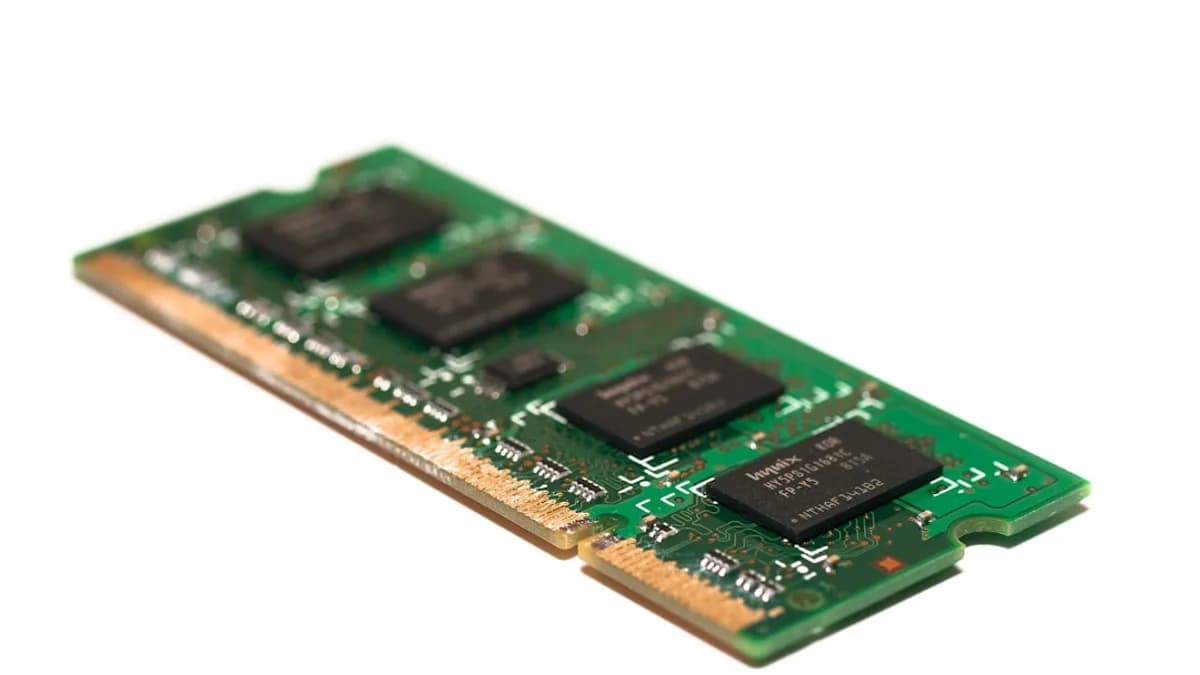
But their modular design gives them some flexibility. Unlike most laptops, where memory is soldered on, Framework lets you swap out RAM sticks. If RAM is expensive now, you can buy a laptop with less memory and upgrade later, when prices drop. That’s a big win compared to sealed laptops, where you’re stuck with whatever you bought.
Still, there’s a downside. Framework depends on the same suppliers as everyone else. If the RAM shortage drags on, their customers may wait longer or pay more. The company faces tough choices: raise prices, delay orders, or absorb extra costs. The modular vision helps, but it doesn’t solve everything.
Looking back, supply chain shocks aren’t new. In the past, hard drive floods, chip shortages, and even LCD panel issues have forced laptop makers to adapt. Some brands chose to cut features, others hiked prices. Framework’s open and modular design is a fresh idea, but it lives in the same world as every other manufacturer.
Framework’s Commitment to Linux: A Bold Market Differentiator
Most laptops are made for Windows. It’s the default. Linux users often buy Windows machines and wipe them, hoping everything works. Sometimes, things break: Wi-Fi, touchpads, display drivers. For years, Linux fans felt ignored.
Framework flips this story. Their CEO says they actually have more Linux users than Windows. That’s huge [Source: Ars Technica]. They test and support Linux out-of-the-box. This means users can install Ubuntu, Fedora, or other distros and expect things to just work. No hunting for drivers. No weird bugs.
This helps a group that’s been overlooked. Linux users often care about privacy, customization, and control. They want to tinker, upgrade, and fix their machines. Framework’s design matches that spirit. A laptop that’s easy to open, with clear guides and replaceable parts, fits well with Linux values.
For the Linux crowd, the idea of premium hardware is rare. Most high-end laptops focus on Windows or macOS. Apple’s MacBook Pro is fast, beautiful, and reliable—but it’s locked to macOS. Framework offers to fill that gap: a sleek, powerful laptop made for Linux, not as an afterthought, but as a first-class citizen.
This move could spark a shift. If more companies see Linux users as a market worth chasing, we might get better hardware, more driver support, and more choice. Right now, Framework leads. Others may follow.
Creating a 'MacBook Pro for Linux Users': Vision and Challenges
Building a “MacBook Pro for Linux users” is a bold vision. Apple’s MacBook Pro is famous for its speed, slick design, and top-notch build. But it’s tightly locked to Apple’s software. For Linux users, there’s nothing quite like it.
Framework wants to change that. They aim to build a laptop that’s fast, beautiful, easy to fix, and works perfectly with Linux. That’s easier said than done. The biggest challenge is design. Apple spends years making sure every piece fits perfectly. Linux hardware makers must do the same, but with smaller budgets.
Performance is another hurdle. To match the MacBook Pro, Framework needs the newest chips, fast storage, and reliable cooling. That’s tough during a RAM crisis. Getting high-quality parts is expensive. Testing them for Linux compatibility takes extra work. Not all chips and devices play nicely with open-source drivers.
Software integration is tricky. Linux covers hundreds of distros, each with its quirks. Framework must work with developers to make sure everything—from fingerprint readers to webcams—works out-of-the-box. They’ve made progress, but it’s a moving target. Apple controls both hardware and software. Framework must handle dozens of Linux versions.
Market demand is the big question. How many Linux users want a high-end laptop? In the past, most Linux fans were happy with cheap machines or used gear. But things are changing. Developers, engineers, and data scientists want fast, reliable hardware. They care about privacy and control. Framework bets there’s enough demand to make premium Linux laptops worth building.
Competition is heating up. Dell and Lenovo offer Linux versions of some laptops, but they often lag behind their Windows models. Framework’s focus on Linux-first could set it apart. If they pull it off, they’ll have a machine that’s as slick as a MacBook Pro, but open and customizable.
The whole project is risky. Parts shortages, tight margins, and fierce competition make life tough. But the payoff could be big: a laptop that’s loved by open-source fans and attracts others who want control over their hardware.
Broader Implications: What Framework’s Approach Means for the Laptop Industry
Framework’s modular, Linux-friendly approach shakes up the old ways. Most laptop makers lock down their devices, making it hard to fix or upgrade. Framework proves you can build a great machine that’s easy to repair and customize.
Repairability matters more each year. E-waste piles up as people toss old laptops because they can’t upgrade or fix them. Framework’s design lets users swap out parts, keeping laptops running longer. This saves money and helps the planet. Europe and some U.S. states are pushing “right to repair” laws. Framework fits this trend perfectly.
Sustainability is a selling point. Big brands talk about recycling and green tech, but most still make sealed devices. Framework’s modular parts mean less waste and longer life. That’s good for buyers and for the environment.
Open-source compatibility is rising too. As privacy worries grow, more people turn to Linux and open software. Framework supports this shift. Their laptops work with Linux, giving users control over their data and their machines.
Consumer preferences are changing. People want tech they can trust and fix. Apple and Microsoft offer slick devices, but repair costs are high. Framework makes laptops you can open with a screwdriver. That matters to students, developers, and anyone tired of buying a new laptop every few years.
If Framework succeeds, other makers may copy their approach. We could see more modular laptops, better Linux support, and a shift toward open hardware. It’s a small company now, but the ripples they’re creating could change the industry.
Conclusion: Framework’s Role in Shaping the Future of Linux Laptops Amid Hardware Challenges
Framework is carving out a unique spot in the laptop world. They build machines that are easy to fix and upgrade, and they put Linux users first. That’s rare. The RAM crisis is tough, but their modular design gives buyers more choice and flexibility.
Their push to make a “MacBook Pro for Linux users” could change what people expect from laptops. If they solve supply problems and keep innovating, they might spark a new wave of open, repairable, and Linux-friendly devices.
Watch this space. If Framework’s vision catches on, it won’t just help Linux fans—it could push the whole laptop industry toward smarter, greener, and more open designs.
Why It Matters
- Framework is challenging industry norms by prioritizing Linux users and modular design.
- The global RAM shortage threatens affordable upgrades and impacts all laptop makers.
- Framework's approach could influence how future laptops are built and maintained.