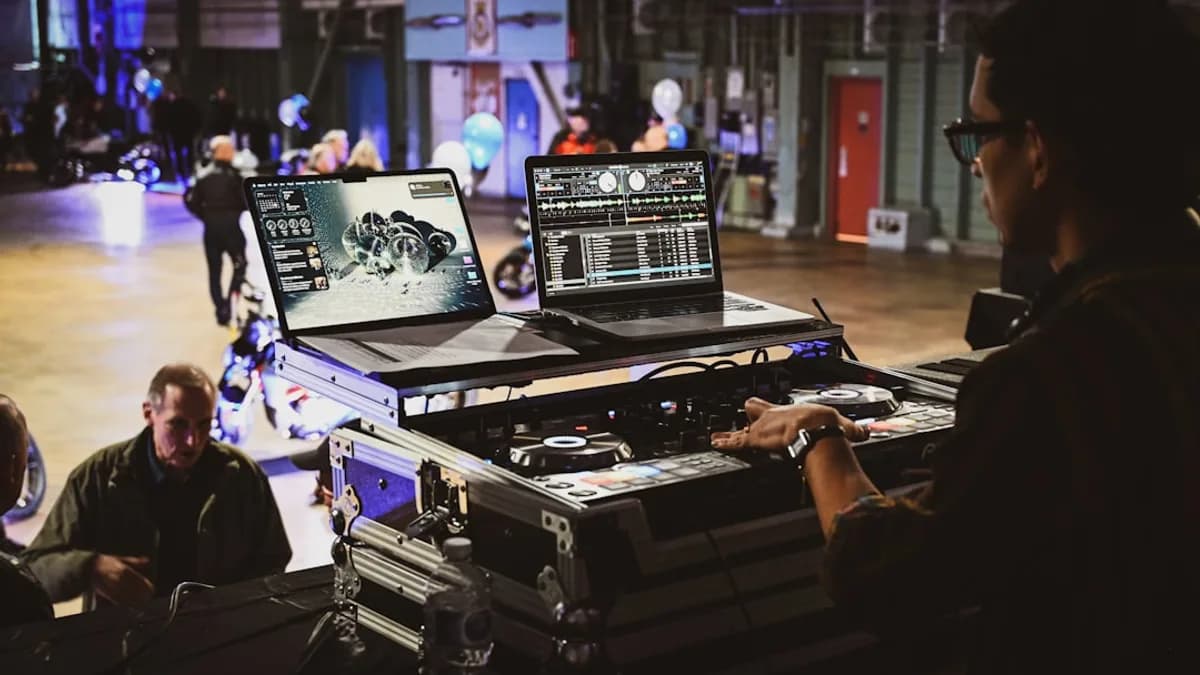
Introduction to Framework’s April 2026 Laptop 13 Pro Launch Event
Framework showed off its newest laptops in San Francisco this week. The main star is the Laptop 13 Pro, a machine built for people who want to fix, upgrade, and truly own their computers. CEO Nirav Patel says this laptop aims to be “the MacBook Pro for Linux users,” giving power and polish to a group often left out of premium choices [Source: The Verge].
At the event, Patel shared his vision for a world where you don’t have to throw away your laptop just because a single part breaks. Instead, you can swap pieces, change ports, and keep your machine running for years. This launch matters not just to Linux fans, but to anyone tired of disposable tech. Framework’s push for repairable, modular laptops is shaking up the industry, and the April 2026 event is proof the company is doubling down.
Key Features of the New Laptop 13 Pro: Aluminum Build and Linux Focus
Framework’s Laptop 13 Pro stands out for its new design. For the first time, the company has made a laptop fully machined out of aluminum. This gives it a sturdy feel and a look that can go toe-to-toe with Apple’s MacBook Pro. People who use Linux often have to settle for less when it comes to hardware quality. With this launch, Framework is saying they deserve the best, too [Source: The Verge].
The Laptop 13 Pro is built for easy repair and upgrades. You can swap out the RAM, storage, ports, and even the keyboard. If you spill coffee or want to add faster storage, it’s a simple fix—not a costly trip to the repair shop. This modular design is rare in modern laptops, where most parts are glued or soldered in place.
Battery life is a big selling point. Patel claimed the new Laptop 13 Pro beats the M5 MacBook Pro when it comes to Netflix streaming. That's a bold statement, since Apple's laptops are known for lasting all day. If Framework’s numbers hold up, it’s a win for folks who want to binge their favorite shows without plugging in [Source: The Verge].
Linux users often struggle with driver issues or poor battery life on mainstream laptops. Framework designed this machine to work perfectly with Linux from day one. That means better support, fewer headaches, and a real alternative to Windows and macOS. By focusing on repairability, modularity, and open software, Framework is carving out a niche that big brands ignore.
Innovative Accessories: eGPUs, Laptop Sleeve, and Enhanced Peripherals
Framework isn’t just launching a laptop—they’re building a whole set of tools to make their machines more useful. Their first eGPUs are here, letting users turn a thin laptop into a desktop powerhouse. An eGPU is an external graphics card that plugs in, giving you extra speed for gaming, video editing, or AI work. For people who need more muscle sometimes but don’t want a bulky computer, this is a smart move.
The company also showed off its first laptop sleeve, made from Tyvek. This material is tough, light, and looks modern—think of the stuff used in space suits or hospital gowns. It’s a step up from basic sleeves, mixing style with durability.
Framework listened to feedback about its Laptop 16. The old model had gaps between the touchpad and keyboard deck, which annoyed some users. Now, they’ve made a one-piece deck that feels smoother and more solid. This shows Framework is paying attention and willing to fix problems fast.
There’s also a new couch keyboard in the works. Many people use laptops while sitting on the couch, but the popular Logitech wireless keyboard gets a lot of complaints—it’s awkward, the keys feel cheap, and it’s hard to clean. Framework wants to make something better, focusing on comfort and quality. This could be a hit for folks working from home or streaming movies.
All these accessories aren’t just extras—they’re part of Framework’s bigger plan. The company wants users to customize their tech, add what they need, and toss what they don’t. This is different from other brands, which often lock you into their own ecosystem.
Connectivity Upgrades: High-Speed 10Gbps Ports for Desktop and Laptop Models
Framework announced new 10Gbps ports for both their desktop and laptop models. These ports are much faster than what you find on most computers today. If you work with big files—like video editors, photographers, or data scientists—this means you can move stuff quickly. Plug in an external drive, camera, or eGPU, and get speeds that rival pro desktops.
For regular users, these high-speed ports mean less waiting and more flexibility. You don’t have to worry about bottlenecks or slowdowns when connecting new devices. It also makes Framework’s machines future-proof, so you’re not left behind as tech advances.
Framework is making sure these upgrades fit with their modular approach. You can add, swap, or remove ports based on what you actually use. That’s rare in laptops, where you usually get what you’re given. This change is likely to attract power users who want both speed and freedom.
Framework’s Philosophy: Empowering Users Through Ownership and Freedom
CEO Nirav Patel put Framework’s stance in bold terms: “The industry wants you to own nothing and be happy. We want you to own everything and be free” [Source: The Verge]. That’s a jab at companies who glue parts together, lock users out, and push upgrades only when you buy a new device.
Framework’s whole design—from swappable parts to open software—is built around ownership. You buy your laptop, and you decide what it does, how it looks, and when to upgrade. If something breaks, you fix it. If you want more memory or a new keyboard, you get it directly.
This philosophy goes against the grain in tech. Most big brands have moved toward sealed devices, pricey repairs, and closed ecosystems. Framework’s approach is winning fans among people who value sustainability, privacy, and choice.
Product design is shaped by this mindset. The company focuses on making every part easy to replace, and they publish guides so anyone can learn. Community forums are lively, with users sharing tips and fixes. It’s a model that builds trust and loyalty, which is rare in tech.
If Framework succeeds, it could push the whole laptop market to rethink what customers expect. More companies might have to offer repairable models, or risk losing buyers who want control.
Analysis: What Framework’s Launch Means for the Modular Laptop Market and Linux Community
Framework is staking out a clear spot as the premium laptop for Linux users. For years, Linux fans have had to settle for second-rate hardware or fight with drivers on mainstream devices. With the Laptop 13 Pro, they finally get a machine designed for their needs and built with quality.
The modular laptop market is still small, but it’s growing. People are tired of devices that break after two years or can’t be fixed. Framework’s success shows there’s demand for machines you can keep alive longer. This fits with a bigger shift toward sustainability—less e-waste, fewer tossed computers, and more reuse.
But Framework faces real challenges. Bigger brands have more money, wider reach, and can offer deep discounts. Convincing people to switch from Apple or Dell won’t be easy. The Linux focus is smart, but most buyers use Windows or macOS. Framework must keep building tools and support to win over new users.
Another hurdle is supply chain and service. Making modular parts and shipping them worldwide is hard. Framework will need to keep improving logistics and customer support to stay ahead. If they can, they could set new standards for repairability. Europe and some U.S. states are pushing “right to repair” laws, which could help Framework’s approach gain ground.
The launch of the Laptop 13 Pro is a signal to the industry. If Framework can offer premium hardware, modular design, and great Linux support, others will have to follow. Over time, we may see laptops that last longer, cost less to fix, and let users decide how they work.
Conclusion: Framework’s Commitment to Innovation and User-Centric Design
Framework’s April 2026 event was more than a product launch. It was a statement about how laptops should be built and who should control them. The Laptop 13 Pro, with its aluminum body, modular guts, and strong Linux support, stands out as a real alternative for power users.
The new accessories—eGPUs, Tyvek sleeves, improved keyboard decks, and a better couch keyboard—show Framework is listening and innovating. High-speed 10Gbps ports make their machines ready for anything.
Framework’s mission is clear: give users ownership, freedom, and the power to fix, change, and upgrade their tech. If this push continues, it could reshape how computers are made and sold. For buyers, that means more choice, less waste, and a laptop that feels truly yours. Keep an eye out—Framework’s next move could spark bigger changes across the industry.
Why It Matters
- Framework is challenging tech industry norms by prioritizing repairability and upgradability.
- Linux users finally have a premium laptop option designed specifically for their needs.
- Framework’s approach could pressure bigger brands to make hardware more sustainable and user-friendly.