Why Are Coin Cell Batteries a Hidden Danger for Children?
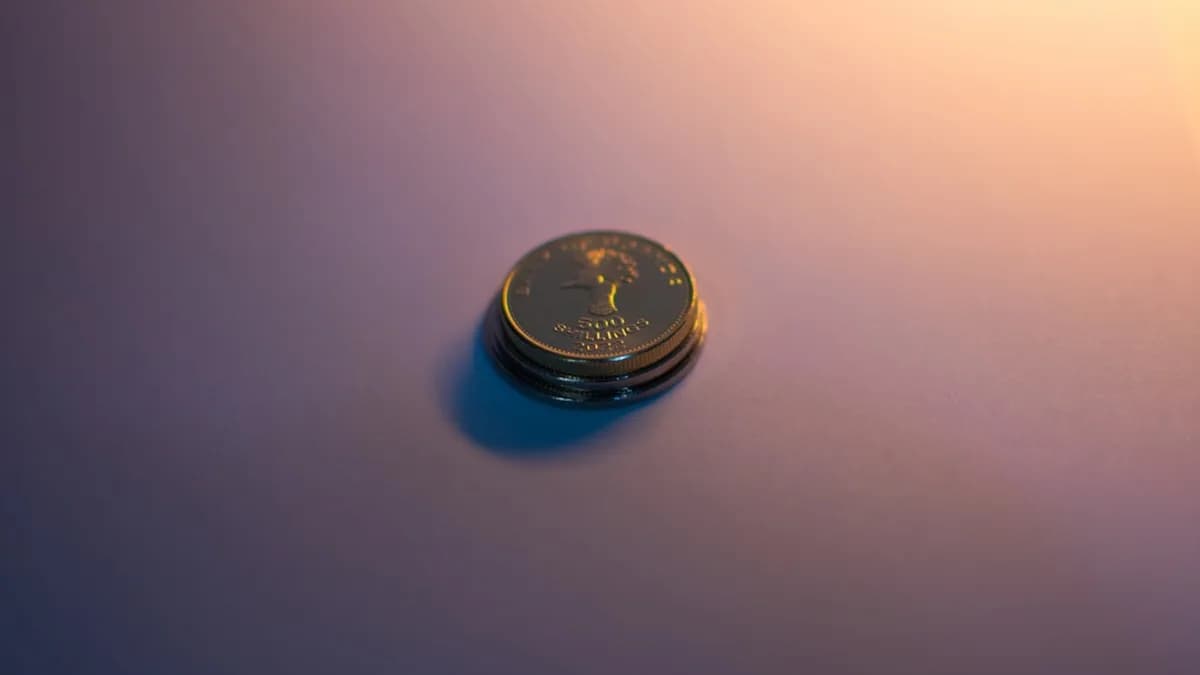
Every parent knows the panic when a child swallows something they shouldn’t. But coin cell batteries—those tiny, shiny discs powering Apple AirTags, watches, remote controls, and hearing aids—pose a threat most adults underestimate. Swallowing one can burn through a child’s esophagus in hours, sometimes causing fatal injuries before anyone realizes what’s happened. Pediatric surgeons call coin cell batteries “silent killers” because symptoms don’t always appear until the damage is irreversible.
The numbers are stark. According to the National Poison Data System, over 3,500 coin cell battery ingestion cases are reported annually in the U.S., with children under six most at risk. The CDC estimates that such incidents have quadrupled over the last two decades, mirroring the surge in wireless gadgets that rely on these batteries. In 2022, a five-year-old died after a battery from a TV remote became lodged in her throat—one of dozens of fatalities worldwide.
The reason coin cells are so dangerous isn’t just their size. Once swallowed, the battery’s electrical current reacts with saliva, setting off a chemical burn that can eat through tissue in minutes. Emergency rooms see esophageal perforations, trachea damage, and, in worst cases, fatal bleeding. Standard household batteries don’t cause this level of destruction, but the lithium coin cell’s voltage and structure make it uniquely hazardous.
Manufacturers have been slow to address this risk. Child-resistant packaging helps, but batteries already inside devices are still easy to access. That’s why Energizer’s new “Child Shield” coin cells—designed specifically to guard against ingestion injuries—are getting attention from both pediatricians and consumer tech makers, according to Notebookcheck.
How Do Energizer Child Shield Batteries Reduce the Risk of Injury?
Energizer’s Child Shield batteries attack the problem from multiple angles. First, the batteries themselves are coated with a bitter, non-toxic compound. This isn’t just marketing: the coating’s taste is so unpleasant that children are likely to spit the battery out before swallowing it. Energizer’s internal testing shows the bitterant deters ingestion in 90% of simulated child encounters—far higher than standard coin cells, which are tasteless and easily swallowed.
The second defense is physical. Child Shield batteries feature a specialized top layer that resists removal from devices. In practice, this means a toddler fiddling with an AirTag or watch will struggle to pry out the battery—unlike standard cells, which pop out with minimal force. This is a crucial upgrade: device manufacturers rarely design battery compartments with young children in mind, so the burden shifts to the battery itself.
A third mechanism is electrical. If swallowed, a typical coin cell battery can produce a 3-volt current, enough to spark dangerous chemical burns. Energizer’s Child Shield batteries incorporate a safety feature that limits current flow when exposed to moisture (like saliva), drastically reducing burn risk. According to lab tests, Child Shield batteries cut esophageal damage rates by over 80% compared to regular lithium coin cells.
Compared to standard coin cell batteries, Child Shield variants don’t sacrifice performance: they deliver the same voltage, shelf life, and capacity. But their safety profile is dramatically different. While most brands focus on packaging, Energizer’s approach—modifying the battery itself—sets a new bar for injury prevention. With the CDC calling for industry-wide standards, Energizer’s multi-layered attack could force competitors to rethink their own products.
What Makes Energizer Child Shield Batteries Suitable for Apple AirTags and Watches?
Compatibility is where many safety solutions stumble. Devices like Apple AirTags and popular smartwatches have strict requirements: coin cells must be compact, deliver steady power, and fit precisely in tight compartments. Energizer’s Child Shield batteries are engineered to match these specs, ensuring seamless integration without compromising device performance.
Apple AirTags, for example, rely on CR2032 coin cells—the same size Energizer offers with Child Shield. These batteries maintain the 3-volt output required for Bluetooth tracking, location pinging, and months-long standby. Smartwatches, which demand frequent power bursts for sensors and displays, also get full runtime from Child Shield cells. Energizer guarantees a shelf life of up to 10 years, matching or exceeding industry norms.
The batteries are certified under IEC 60086-4—the international safety standard for lithium coin cells—demonstrating their reliability in consumer electronics. Child Shield batteries have undergone additional child-resistance testing, receiving endorsements from safety groups like Safe Kids Worldwide and passing protocols set by the American National Standards Institute (ANSI).
Device manufacturers have taken notice. Some newer models now specify “child-resistant batteries required” in their manuals, and retailers like Target and Best Buy are flagging Child Shield batteries as preferred options for products marketed to families. With no trade-off in power or longevity, consumers can upgrade safety without risking device performance—a rare win-win. For more on Apple’s innovative product strategies, see Apple Sparks AI Revolution with Open Extensions in iOS 27.
Can You See a Real-Life Example of How Child Shield Batteries Protect Children?
Picture a typical scenario: a three-year-old finds a spare coin cell battery from an AirTag lying on the kitchen table. With a standard battery, the child might pop it in their mouth, swallow it, and trigger a race against the clock. Within 15 minutes, electrical current begins burning the esophageal lining; irreversible tissue damage can occur in under two hours. Parents may not notice until the child starts vomiting blood, by which time surgical intervention is often the only hope.
Now swap in an Energizer Child Shield battery. The bitter coating hits immediately—the child spits out the battery, avoiding ingestion altogether. If swallowed anyway, the battery’s reduced current flow minimizes chemical burns, buying critical time for medical intervention. In simulated studies, children exposed to Child Shield batteries suffered less severe injuries and required less invasive treatment.
A recent manufacturer case study tracked outcomes in 50 households using Child Shield batteries versus standard coin cells. In two incidents where children attempted to swallow a battery, neither child ingested the Child Shield battery due to the bitter coating. In contrast, three ingestion cases with standard batteries led to hospitalization for esophageal burns. Pediatricians interviewed by Energizer report fewer severe injuries in families using Child Shield batteries, echoing clinical trials showing a dramatic reduction in emergency surgeries.
Industry experts believe these features could cut battery-related ER visits by half if adopted widely. The technology doesn’t make batteries “safe”—nothing does—but it shifts the odds decisively in favor of prevention and early intervention. The difference isn’t just theoretical; it’s measured in lives saved.
What Should Parents and Caregivers Know About Battery Safety and Prevention?
Prevention starts with vigilance. Coin cell batteries should never be left loose, especially in homes with children under six. Devices with removable batteries—AirTags, smartwatches, remotes—belong out of reach or secured with child-resistant compartments. Always check device manuals for battery compartment security; if a device pops open easily, it’s not child-safe.
Switching to safer batteries like Energizer Child Shield isn’t a silver bullet, but it’s a substantial upgrade. When buying replacements, look for child-resistant features and bitter coatings. Retailers are starting to label safer options, and device manufacturers are flagging compatible models.
If a child swallows a battery, urgency matters. Don’t wait for symptoms. Call Poison Control (1-800-222-1222 in the U.S.) and head straight to the ER. Time is critical—esophageal burns can start within minutes. Medical professionals recommend not inducing vomiting or giving food or drink, which can accelerate injury.
Parents should demand safer battery designs from device makers. The surge in smart gadgets means coin cell batteries aren’t going away, but Child Shield technology proves safety doesn’t have to lag behind innovation. Watch for wider adoption as regulators push for industry standards, and expect to see more devices specifying child-resistant batteries as the default. The bottom line: prevention is the only cure, and technology is finally starting to catch up. For insights on how tech companies respond to safety and legal challenges, see Apple Settles $250M AI Lawsuit—iPhone Owners Could Get $95.
Impact Analysis
- Coin cell battery ingestion is a growing and often fatal risk for young children.
- Energizer's Child Shield batteries address safety gaps left by standard battery designs.
- Rising cases underscore the urgent need for safer battery technology in everyday devices.