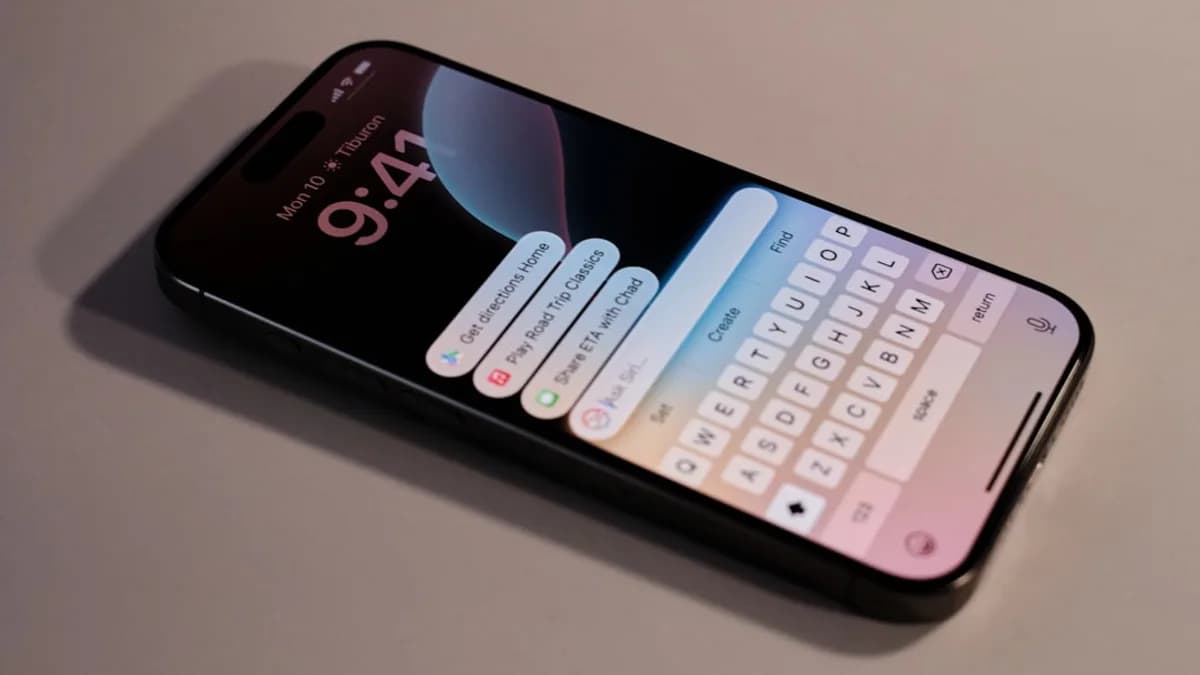
Apple Agrees to $250 Million Settlement Over Siri AI Lawsuit
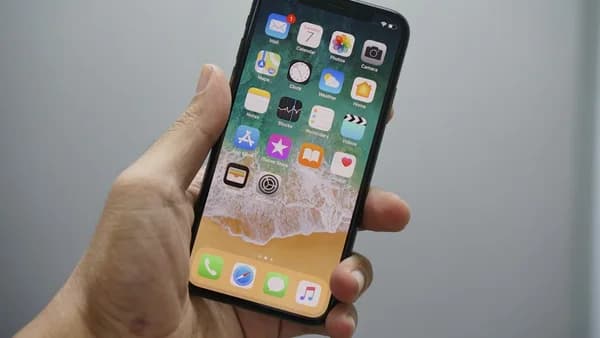
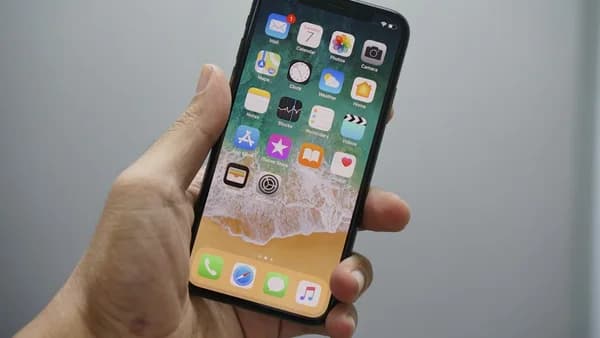
Apple will pay $250 million to settle a class-action lawsuit targeting Siri's AI features on iPhone 15 and 16, after users complained about unreliable voice recognition and AI-driven errors. The agreement means eligible US customers could receive up to $95 per device, according to Wired.
The case centers on allegations that Siri’s AI underperformed on newer iPhones, with users citing dropped commands, misinterpretations, and inconsistent integration with third-party apps. Apple’s payout covers owners of the flagship iPhones sold since late 2023—the company shipped over 80 million iPhone 15 models in the last quarter of that year alone.
While Apple admits no wrongdoing, agreeing to the payout signals pressure to address consumer dissatisfaction with a core selling point: AI-powered voice assistance. The company did not respond to requests for comment from reporters.
How the Siri AI Lawsuit Affects iPhone 15 and 16 Users
The lawsuit accused Apple of overstating Siri's AI capabilities in marketing, arguing that real-world performance consistently fell short. Plaintiffs cited examples of Siri failing to set reminders, misdialing contacts, and botching smart-home commands—errors that persisted despite software updates. Internal Apple documents, revealed during discovery, showed engineers flagged reliability issues as far back as 2022.
Anyone who bought an iPhone 15 or 16 in the US between launch and the settlement date is eligible. Payouts are capped at $95 per device, so a household with multiple new iPhones could see a substantial total. The final amount depends on the number of valid claims—if participation is high, the payment per device could dip.
Apple’s $250 million deal stands out among recent tech settlements. In 2022, Google paid $391.5 million to settle privacy complaints over location tracking. Last year, Meta set aside $725 million for Cambridge Analytica-related claims. But those cases revolved around data privacy; Apple’s liability here centers on AI functionality—the first major US class action to do so. That alone could set a template for future lawsuits targeting AI misrepresentations in consumer tech.
For Apple, the reputational risk is acute. Siri has lagged behind Google Assistant and Amazon Alexa in accuracy and developer support, according to third-party benchmarks. This legal action throws a spotlight on those weaknesses at a time when Apple is pitching AI as central to its future hardware. If the payout erodes consumer trust, Apple risks losing ground in a segment projected to hit $27 billion in global voice assistant revenue by 2026.
Next Steps for Apple Customers and What to Expect From the Settlement
iPhone 15 and 16 buyers should expect direct notice from Apple or the court-appointed settlement administrator in the coming weeks. To claim funds, users will need to submit proof of purchase—such as a receipt, Apple ID verification, or device serial number—via a web portal that will open once the settlement receives final approval.
The court is expected to sign off on the agreement this summer, with payouts likely arriving by early 2025. Miss the filing deadline—usually 60-90 days after notice—and you won’t see a dime.
This settlement could accelerate how quickly tech giants act on AI complaints. Apple, facing scrutiny from both consumers and regulators, may tighten internal testing and transparency around new AI features. The deal also puts other device makers on notice: unsubstantiated AI marketing claims are now a live legal risk.
Regulators and plaintiff attorneys will be watching how Apple handles future AI rollouts—and whether similar claims emerge as Google, Samsung, and others push generative AI deeper into their devices. With US and EU lawmakers weighing AI-specific product liability rules, this won’t be the last time a failed voice assistant triggers a multimillion-dollar payout.
For consumers, the lesson is clear: keep your receipts and pay attention to AI feature promises. For Apple, the message is sharper—AI hype comes with a price tag if the tech doesn’t measure up.
Impact Analysis
- Apple's settlement highlights growing consumer scrutiny of AI-powered features.
- Affected iPhone users may receive compensation for unreliable Siri performance.
- The case pressures tech companies to improve transparency and reliability in AI claims.