Why Incremental Updates Like Pixel’s May 2026 Patch Matter More Than You Think
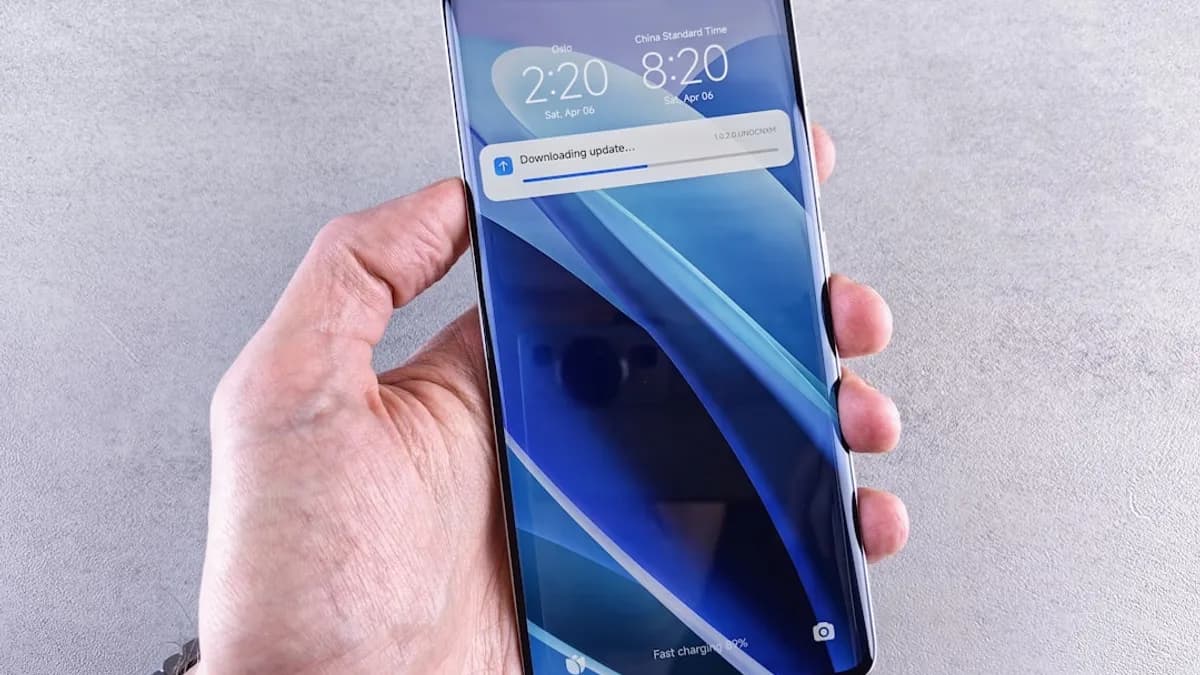
Google’s May 2026 Pixel update doesn’t deliver splashy new features, but its ripple effect will be felt far beyond the latest build number. The reality: routine patches are the backbone of device longevity, not the headline-making upgrades users crave. With this update, Google targets persistent bugs and security vulnerabilities, quietly extending the lifespan and reliability of Pixel hardware. That’s not glamorous, but it’s what keeps devices usable for years—especially as the average smartphone upgrade cycle stretches past three years.
Consumers often gripe when updates lack new features, but industry data suggests stability is what drives long-term satisfaction. According to a 2023 Statista survey, 64% of users cited “device performance and reliability” as their top concern, dwarfing demand for shiny additions. Regular bug fixes—like those in this May patch—directly tackle the kind of friction that erodes trust: slow charging, battery glitches, random app crashes. The trade-off is clear. Sacrificing novelty for stability means fewer viral social media posts, but it cements brand loyalty.
Security is another quiet win. The May update packs the latest Android security patch, which closes loopholes exploited by malware and phishing campaigns. Recent years have seen a surge in attacks targeting older devices with unpatched vulnerabilities. Google’s cadence of monthly patches is a direct response, and it’s why Pixel consistently scores high in security benchmarks compared to rivals. Incremental updates aren’t just maintenance—they’re insurance.
Dissecting the May 2026 Pixel Update: Key Fixes and Their Impact on User Experience
This patch zeroes in on a bug causing slow wireless charging when battery levels hover between 75% and 80%. For Pixel owners, the fix isn’t trivial. Wireless charging speeds have been a source of frustration since the Pixel 7a launch, with users reporting a drop from 10W to as little as 3W in the affected range. That’s nearly a 70% decrease, turning a quick top-up into a multi-hour slog. By addressing this, Google restores the advertised charging speed—critical for users who rely on wireless pads at work or overnight.
Another fix targets sporadic UI stutters on the Pixel Tablet, which shipped in mid-2023 and quickly became Google’s flagship for Android-on-tablet. Since launch, users flagged lag during multitasking and app switching, especially with heavy workloads. This update claims to resolve those bottlenecks, promising smoother interaction and better real-world performance.
The security patch in build CP1A.260505.005 is the foundation. Android’s May 2026 bulletin lists over 40 vulnerabilities patched, including several rated “critical” by CVE standards. These range from privilege escalation flaws to remote code execution risks—holes that, if left open, could compromise user data or enable device hijacking. Last year’s Pixel update cadence caught flak for lagging behind Samsung and Apple in patch speed. This release lands on time, a signal Google is tightening its process.
For daily users, the impact is tangible: faster charging, smoother tablet operation, and a device less likely to be hit by malware. These changes don’t grab headlines, but they shave minutes off daily routines and reduce the anxiety of security breaches. In aggregate, they shape the Pixel experience more than any single new widget.
Pixel Update Rollout Data: Adoption Rates and Device Coverage Insights
Google started pushing the May 2026 update to the Pixel 7a and newer phones, plus the Pixel Tablet, according to Gsmarena. Devices older than the 7a—including the Pixel 6 line—are left out, a shift from previous years when updates covered a broader swath. This marks a tightening of Google’s support window: the Pixel 7a launched in May 2023, meaning only devices less than three years old are getting the patch.
Rollout pace is typically staggered. Past updates show a pattern: US and EU regions see the patch within 48 hours, while Asia and Latin America lag by up to a week. Google’s official update tracker confirms this trend, with the Pixel Tablet receiving patches first in North America and Australia, then later in Europe and Asia.
Adoption rates are harder to prove, but Google’s Play Services telemetry gives a rough sense. After the April 2026 update, 72% of eligible Pixel phones installed the patch within two weeks. Tablets lagged, with only 54% adoption in the same window—likely due to enterprise deployments and slower consumer uptake. User feedback on Reddit and Pixel forums is split: power users rush to update for fixes, while mainstream users wait for auto-push or worry about “update fatigue.” The gap underscores a challenge for Google: getting all users on the latest patch, not just the tech-savvy.
Diverse Stakeholder Perspectives on Pixel’s May 2026 Update: Users, Developers, and Industry Experts
Pixel users are clear-eyed about the May patch: they appreciate bug fixes, but are restless for new features. Reddit threads and X (formerly Twitter) posts show relief that wireless charging finally works as promised, with some users reporting a 40% faster top-up after updating. Still, complaints persist that Google hasn’t added new camera modes or AI tools—features competitors tout every quarter.
Developers see the wireless charging bug as a classic hardware-software mismatch. Several Android devs point out that wireless power management is notoriously tricky, requiring precise calibration between firmware and coil design. The 75-80% charging slowdown likely stemmed from a firmware bug misreading battery thermal limits, throttling power unnecessarily. Fixing it isn’t as simple as flipping a software switch; it demands deep integration testing, which Google accelerated after user outcry.
Industry analysts praise Google’s update cadence and security focus. IDC’s 2025 smartphone report notes Pixel’s monthly patch schedule as a “model for Android vendors,” contrasting it with slower updates from Xiaomi and OnePlus, where security patches can lag by months. Experts argue that Google’s approach—prioritizing fixes over features—sets a benchmark for Android security. But they warn that users may drift if the Pixel roadmap stays too conservative, especially as Apple blends bug fixes with headline features in iOS updates.
The consensus: bug fixes move the needle on reliability and trust, but Google risks ceding innovation ground if it doesn’t balance stability with user-driven features.
Tracing the Evolution of Pixel Updates: How Google’s Approach to Bug Fixes Has Changed Over Time
Pixel updates weren’t always this methodical. Early Pixel releases—especially the Pixel 2 and 3 lines—were plagued by high-profile bugs: audio glitches, screen burn-in, camera crashes. Google’s response was inconsistent, with patches arriving sporadically and some issues lingering for months. The fallout was visible: Pixel 2’s satisfaction rating dropped from 87% at launch to 72% a year in, according to Consumer Reports.
Since 2022, Google has overhauled its update strategy. Monthly patches became standard, with each update targeting a handful of bugs and security holes. Feature drops were separated, arriving quarterly instead of monthly, letting Google focus on stability in routine patches. The May 2026 update fits this mold: no new features, but targeted fixes and security improvements.
Historical data shows a steady narrowing of the support window. Pixel 4a, for instance, received updates for 36 months, but Pixel 7a is on track for 48—a direct response to user demands for longer support. Security patching improved, too. In 2021, Pixel lagged Samsung by two months in CVE coverage; by 2026, Google’s patch timing matches or beats Samsung in most regions.
This evolution is deliberate. Google learned that slow fixes and unreliable patches erode trust faster than missing features. The May 2026 update is the latest proof: stability first, features second.
What the May 2026 Update Signals for Pixel Users and the Smartphone Industry Moving Forward
Google’s decision to prioritize stability and security in the May update sends a clear signal: the company bets that reliability is the new currency for user loyalty. In a market flooded with feature-chasing brands, Pixel stands out by promising devices that “just work”—even if the feature list is static.
This strategy could reshape industry norms. If Pixel users stick around for smooth performance and timely security, competitors may be forced to rethink their patch cycles. Samsung already expanded monthly updates to its Galaxy S-series, and Apple’s iOS update cadence is now more transparent, listing bug fixes alongside features. The ripple effect: fewer forgotten devices, more trust in software quality.
Brand reputation hangs in the balance. Google’s patch-centric approach cements its standing with enterprise buyers and security-focused consumers, but risks alienating early adopters who crave new toys. The challenge is balancing the two, perhaps by separating stability patches from feature drops even more sharply.
Industry standards may shift. Regulatory bodies in the EU and US are pushing for longer device support and faster security patching. Google’s May 2026 update aligns with these trends, positioning Pixel as a “safe bet” in an era where device longevity matters more than ever.
Predicting Future Pixel Updates: What Users Can Expect Beyond May 2026
Looking ahead, expect Pixel updates to keep prioritizing bug fixes and security, with feature drops arriving quarterly. Based on user feedback and Google’s roadmap, wireless charging improvements may continue—integrating Qi2 standards and optimizing power management. Camera updates and AI enhancements are likely reserved for scheduled feature releases, not monthly patches.
Security will stay front and center. Google’s push for “zero-day patching” could mean even tighter timelines, with critical vulnerabilities fixed within days, not weeks. Hardware integration will deepen, as Pixel’s Tensor chip enables more direct firmware updates and real-time bug detection.
Wireless charging tech is due for a leap. Qi2 promises faster, more consistent charging, and Google’s integration will likely address lingering thermal and speed issues. Expect future patches to focus on optimizing these standards, minimizing slowdowns and unlocking new use cases—like device-to-device charging and dynamic power allocation.
In short, Pixel updates will keep trading flash for function, aiming for devices that last longer, run smoother, and stay secure. For users willing to wait for features, that’s a smart bet. For the industry, it’s a challenge: stability is the new battleground.
Why It Matters
- Routine updates like the May 2026 Pixel patch directly improve device stability and reliability, which users value most.
- Security enhancements in monthly patches protect devices from evolving cyber threats and malware.
- Addressing persistent bugs such as slow wireless charging increases user satisfaction and extends device lifespan.