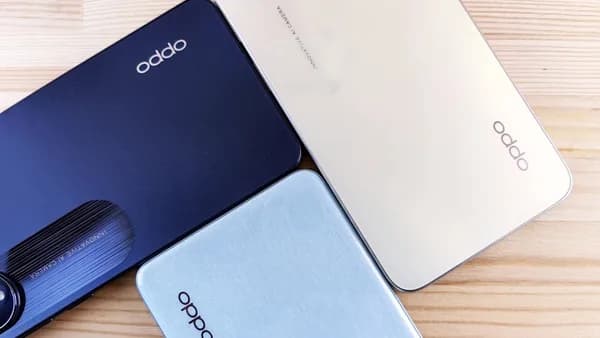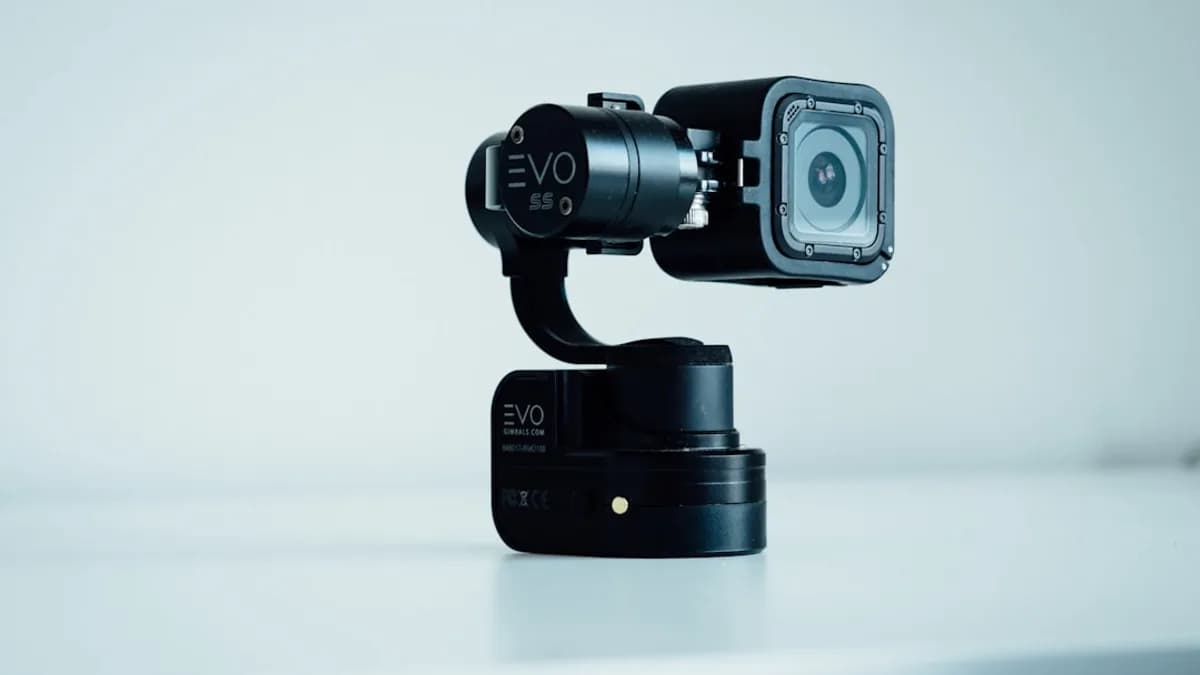
A reported 200MP sensor in pocket gimbal cameras from Oppo and Vivo would attack DJI from an unexpected angle: not by copying the Osmo Pocket 4, but by importing smartphone camera logic into a dedicated creator device.
According to Notebookcheck, tipster Digital Chat Station claims on Weibo that Oppo and Vivo may launch handheld gimbal cameras with a 200MP 1/1.2-inch sensor. The same report says DJI’s Osmo Pocket 4 uses a 32MP sensor, but with a larger 1-inch sensor size.
That difference is the story. Oppo and Vivo appear to be testing whether resolution, computational processing, and phone-style camera branding can pressure DJI’s compact gimbal formula.
A 200MP sensor leak turns DJI’s strength into a target
DJI’s Osmo Pocket line is not famous because it wins spec-sheet megapixel contests. Its pitch is more practical: a compact body, 3-axis gimbal, and reliable 4K video recording in a device creators can carry without building a rig.
The Oppo and Vivo leak points in a different direction. A 200MP sensor gives phone brands an easy headline, but it also creates a harder technical question. Can they turn all those pixels into better video, cleaner stabilization crops, sharper stills, and usable low-light footage inside a small handheld body?
That is where DJI still has room to defend itself. Sensor resolution alone does not replace gimbal tuning, heat control, audio performance, lens quality, autofocus behavior, or the software flow from capture to upload.
MLXIO analysis: the leak signals a possible shift from “who has the best pocket gimbal” to “who can build the best pocket creator camera.” Those are not the same contest.
Oppo and Vivo are aiming between smartphones and action cams
The reported devices sit in a narrow but valuable middle ground. They are not phones. They are not traditional action cams. They are handheld gimbal cameras aimed at the same portable-video use case DJI has owned with the Osmo Pocket series.
Here is what the supplied reporting supports:
| Device / company | Reported or confirmed details | Status |
|---|---|---|
| Oppo handheld gimbal camera | 200MP 1/1.2-inch sensor, possible Hasselblad tuning, earlier leak points to a 3-axis gimbal system | Unconfirmed leak |
| Vivo handheld gimbal camera | 200MP 1/1.2-inch sensor, possible Zeiss tuning | Unconfirmed leak |
| DJI Osmo Pocket 4 | 32MP sensor, larger 1-inch sensor size, 3-axis gimbal, 4K video recording | Referenced comparison |
| Insta360 Luna Ultra | Compact gimbal camera with dual lenses and a detachable screen | Confirmed by Insta360, per source |
The branding detail matters. Oppo’s reported Hasselblad tuning and Vivo’s possible Zeiss tuning would extend camera partnerships already associated with their phone strategies into standalone hardware. Vivo also offers Zeiss tuning on its flagship X300 series smartphones, according to the source material.
For readers tracking adjacent phone-hardware positioning, MLXIO has covered Oppo’s camera-video push in 4K120 Turns Oppo Find X9 Ultra Into Vivo’s Headache and Vivo’s broader device ambitions in Vivo Pad 6 Pro Crushes AnTuTu as Snapdragon Takes Over. Those are separate stories, but they help frame why phone makers would want camera credibility beyond handsets.
The 200MP number is useful — but it is not decisive
A 200MP 1/1.2-inch sensor could give Oppo and Vivo real tools if the leak proves accurate. High resolution can support pixel binning, digital cropping, electronic stabilization margins, reframing, and higher-resolution still capture.
Yet the comparison with DJI is not simple. The Osmo Pocket 4 is reported here as using only 32MP, but on a larger 1-inch sensor. Bigger photosites, optics, processing, and thermal behavior can matter more for video than raw resolution.
The likely test will be practical output, not spec density:
- Video quality: usable 4K footage will matter more than a headline megapixel count.
- Stabilization: a 3-axis gimbal has to handle walking, panning, and quick movement without twitchy corrections.
- Low light: a high-resolution small sensor can struggle if processing and binning do not compensate.
- Heat: compact bodies leave little room for sustained high-performance video capture.
- Workflow: creators will judge how fast footage moves from camera to phone to edit.
MLXIO analysis: the 200MP claim is a marketing weapon first and a technical advantage second. It becomes meaningful only if Oppo and Vivo convert it into clean footage, stable motion, and fast editing.
DJI wrote the pocket-gimbal playbook; phone brands may attack the software layer
DJI’s edge has been mechanical. The Osmo Pocket idea depends on making a tiny stabilized camera feel predictable. That means smooth motors, sensible controls, reliable subject framing, and accessories that do not turn a pocket camera into a bag of parts.
Oppo and Vivo come from a different base. Their advantage, if this project reaches market, would likely sit in image processing, tuning, and phone connectivity. The source does not confirm software features, app design, or transfer tools, so those remain inference rather than fact.
Still, the strategic logic is clear enough. A smartphone maker does not need to become a legacy camera company to enter this category. It needs to package mobile imaging know-how into a device that feels easier than filming on a phone with an external gimbal.
That is also where past device categories often stumble: not at capture, but at the handoff. If exporting, editing, charging, audio pairing, and app support feel clumsy, creators go back to the device already in their pocket.
Creators and DJI loyalists will judge these cameras by different standards
For creators, more competition could be useful if it produces better sensors, stronger phone integration, or simpler transfer flows. But none of that is confirmed for Oppo or Vivo yet. The only specific leaked hardware claim here is the 200MP 1/1.2-inch sensor, plus the tuning names and expected timing.
DJI loyalists will likely focus on the areas where DJI has already trained the market to care: stabilization reliability, controls, firmware maturity, accessory support, and predictable results. A 200MP badge will not be enough if walking footage jitters or exposure shifts mid-shot.
For Oppo and Vivo, the bigger prize may be brand extension. A credible gimbal camera would turn their imaging partnerships into physical creator hardware, not just smartphone marketing. That matters if the devices reach beyond China, but the source provides no confirmed launch markets, pricing, or distribution details.
The timing is also provisional. Both devices are expected to launch in late 2026, but there is no official confirmation yet.
The next pocket-camera fight will be won after the spec sheet
If Oppo and Vivo ship credible Osmo Pocket 4 rivals, the compact creator-camera category could get more crowded fast. DJI would face pressure not only from phone brands, but also from Insta360 Luna Ultra, which Insta360 has confirmed with dual lenses and a detachable screen.
The practical advice is simple: do not treat 200MP as a verdict. Wait for confirmed specifications, sample footage, stabilization comparisons, battery behavior, heat tests, audio results, app quality, and pricing.
The evidence that would confirm the threat: Oppo and Vivo deliver stable 4K footage, polished mobile editing, strong low-light output, and broad availability. The evidence that would weaken it: limited launch markets, weak software, overheating, poor audio, or footage that looks worse than the Osmo Pocket 4 despite the larger megapixel number.
For now, the leak suggests a real competitive shift. The fight will not be settled by the biggest sensor number. It will be settled by the camera that gets creators from recording to publish with the fewest compromises.
The Bottom Line
- Oppo and Vivo could challenge DJI by bringing smartphone camera specs into pocket gimbal devices.
- A 200MP sensor creates a strong marketing hook, but video quality will still depend on stabilization, heat control, optics, and software.
- The leak suggests the creator-camera market may shift from simple gimbal hardware toward computational imaging and phone-style workflows.