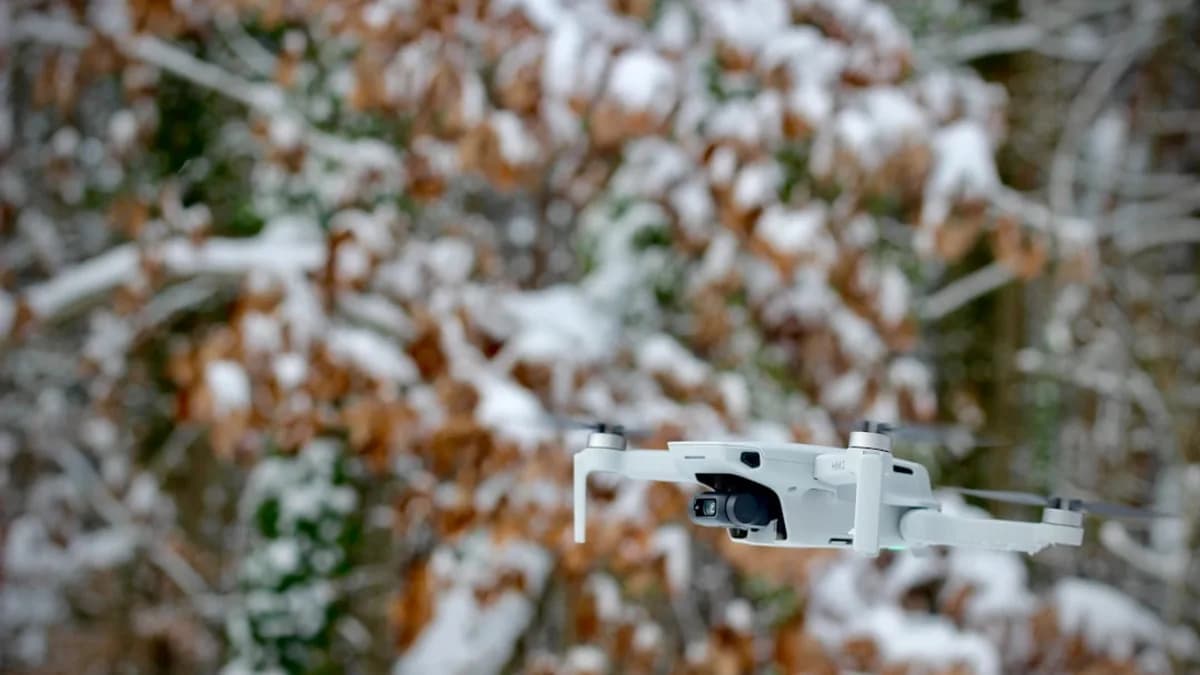
Introduction to DJI’s Upcoming Beginner Drones: Lito 1 and Lito X1
DJI is about to launch two new drones aimed at beginners—the Lito 1 and Lito X1. Before the official reveal, a big leak from Italian retailer Dino Galiano has shown us full specs and prices for both models. The Lito 1 will cost about $400, while the Lito X1 will go for just under $500. These prices match earlier leaks from Dealabs [Source: The Verge].
Both drones are set to replace older favorites like the DJI Mini 3 and Mini 4 Pro. They weigh less than 250 grams, so they don’t need registration in most countries. But if you live in the US, you won’t be able to buy them—at least not right away. DJI teased the launch for later this week, and fans in Europe and Asia are watching closely. For anyone new to flying drones, these models hope to make getting started easier and more fun.
Understanding the Key Features and Specs of DJI Lito 1 and Lito X1
The leaked listings show that the Lito 1 and Lito X1 share a lot, but also have key differences. Both are super light, under 250 grams, making them easy to carry and legal in many places without extra paperwork. This is a big selling point for travelers and new pilots.
The main difference between the two is the camera. The Lito X1 has a larger sensor than the Lito 1. A bigger sensor grabs more light, which means clearer photos and smoother videos, especially in low light. If you want to take sharp pictures or shoot video for YouTube or TikTok, the X1 gives you an edge [Source: The Verge].
Flight time is another highlight. Both drones promise up to 31 minutes in the air—similar to the Mini 3 and Mini 4 Pro. That’s longer than many other beginner drones, which can run out of battery after 20 minutes. Range is also strong, with both models able to fly up to 8 km away from the controller. This gives you space to explore parks, beaches, or wide-open fields.
Here’s a quick breakdown:
- DJI Lito 1: ~$400, smaller camera sensor, up to 31 minutes flight time, 8 km range, weighs under 250g.
- DJI Lito X1: ~$500, larger camera sensor for better photos/videos, same flight time and range, weighs under 250g.
Both drones have smart features like auto return home, obstacle warning, and easy-to-use flight modes. These tools help new pilots avoid crashes and get smooth shots. Compared to older models, the Lito series adds better connectivity and more stable video transmission. If you tried the Mini series before, you’ll find these upgrades useful.
At these price points, the Lito 1 competes with budget drones from brands like Holy Stone and Ryze. But DJI’s tech is often more reliable, and the camera quality is usually higher. The X1, meanwhile, starts to rival mid-range drones like the Mini 4 Pro, but for a lower price.
Step-by-Step Guide to Choosing Between DJI Lito 1 and Lito X1 for Beginners
Picking the right drone depends on your needs and budget. Here’s how to decide:
1. Set your budget. The Lito 1 is about $100 cheaper than the X1. If you just want to learn basic flying, save money and start with the Lito 1.
2. Think about camera quality. If you care about photos and videos—say, for Instagram or family trips—the X1’s bigger sensor is worth the extra money. It’s better in cloudy weather or at sunset.
3. Consider portability. Both drones are tiny and light, so you can toss them in a backpack. If you plan to hike or travel, either model fits the bill.
4. Check your skill level. Beginners may prefer simple controls and fewer features at first. The Lito 1 is slightly more basic, so it’s easier to master. If you want more advanced options later, the X1 lets you grow into them.
5. Look at extra features. Both have auto return home and obstacle alerts. If you want more safety or plan to fly in tricky spots, these features help. Decide if you need them right away.
In short: If you’re on a tight budget or mostly want to practice flying, the Lito 1 is a good starter. If you’re serious about photos or videos, or want something that can handle tougher conditions, go for the X1.
How to Prepare for Your First Flight with DJI Lito Drones
Getting your new drone ready is simple if you follow these steps:
1. Charge the battery. Take everything out of the box and plug in the battery. DJI drones usually ship with a USB cable. Make sure the battery is fully charged before your first flight.
2. Install the DJI app. Download the official DJI Fly app from your phone’s app store. This app connects your phone to your drone. It’s where you see the camera feed, change settings, and update firmware.
3. Update firmware. Before flying, check for updates. Firmware updates fix bugs and add features. Open the app, connect your drone, and let it update if needed.
4. Learn the controls. Spend a few minutes reading the manual or watching short tutorial videos. The controller has sticks for up/down, left/right, and forward/back. Practice these movements at home.
5. Pick a safe spot. For your first flight, find an open field with few trees, buildings, or people. Avoid airports and busy roads. If you’re in Europe, check local drone rules. Some parks have limits or require permits.
6. Use beginner mode. DJI drones offer a beginner flight mode. This limits speed and distance, so you don’t lose control or crash.
7. Practice basic moves. Start with simple exercises: take off, hover, move forward, turn, and land. Repeat until you feel comfortable. Don’t rush into tricky maneuvers.
8. Mind safety and laws. Always keep the drone in sight. Don’t fly above 120 meters (400 feet). Stay away from crowds and wildlife. If you’re not sure about local laws, look them up before you fly.
These steps will help you build confidence and avoid mistakes. Many beginners crash because they skip practice or ignore safety rules. Take your time and enjoy the learning process.
Maximizing Your DJI Lito Drone Experience: Tips for Beginners
Once you get the basics down, you can start making the most of your drone. Here’s how:
1. Adjust camera settings. Use the app to tweak brightness, color, and focus. If the sky looks washed out, lower the exposure. If your photos are blurry, try auto-focus.
2. Try smart flight modes. Both Lito models offer easy flight modes like QuickShots. These make the drone fly in circles or straight lines while filming. Great for cool shots with little effort.
3. Use safety tools. Turn on obstacle alert and auto return home. If the battery runs low or you lose signal, the drone will fly back to you.
4. Clean and store your drone. After each flight, wipe the camera lens and check for dirt. Store the drone in a dry place. If you fly in sandy or wet areas, clean the motors.
5. Look at accessories. Extra batteries, propeller guards, and carrying cases make flying easier. Prop guards help prevent damage if you bump into things. Spare batteries let you fly longer.
6. Keep learning. Watch online tutorials, join drone forums, and share your footage. The more you learn, the better your videos and photos will be.
Even small changes can boost your results. Many beginners forget to adjust camera settings or ignore maintenance, which leads to blurry shots or broken drones. Stay curious and keep improving.
Conclusion: Making the Most of DJI’s New Beginner Drones
The DJI Lito 1 and Lito X1 offer smart, easy ways for new pilots to join the drone world. With light weight, strong cameras, and beginner-friendly features, they help you get started without stress. Think about what matters most to you—budget, camera quality, or simplicity—and pick the model that fits. Remember to fly safely, respect local rules, and keep learning as you go. The official launch is coming soon, so watch for updates and new features. If you’re ready to start flying, these drones are a solid first step.
Why It Matters
- DJI's new beginner drones offer accessible pricing and ease of use for first-time buyers.
- The lightweight design allows users to avoid registration in many countries, simplifying ownership.
- Upgraded camera and battery features make these drones competitive with older models and ideal for content creators.