48 GB of RAM in a mainstream-looking Dell Pro laptop is the real signal here, not the processor badge. Dell is pushing memory headroom, larger batteries, and faster display options into machines that sit below its premium workstation class.
Dell has introduced Wildcat Lake versions of its Pro 3 Series and Pro 5 Series laptops globally, according to Notebookcheck. The rollout covers 14-inch and 16-inch models, with configurations reaching 48 GB RAM, 2 TB storage, Wi-Fi 7, 70 Wh batteries, and, on Pro 5 Series variants, 120 Hz IPS displays.
That mix matters because it targets the thick middle of corporate PC buying: systems for people who need more than a basic thin client, but not a mobile workstation. MLXIO analysis: Dell appears to be using Wildcat Lake to raise the practical baseline for business laptops without moving every buyer into higher-end AI PC or workstation tiers.
Dell’s Wildcat Lake Pro laptops sharpen the fight for mainstream refresh budgets
Dell is not just swapping chips. It is adding a cheaper Wildcat Lake lane beside its Panther Lake Pro 5 Series models, which Notebookcheck says Dell began selling earlier this month in Pro 5 Series 14 (P514260) and Pro 5 Series 16 (P516260) versions.
The distinction is important. The Wildcat Lake variants “miss out on the LPCAMM2 RAM that Dell sells with Panther Lake variants,” according to Notebookcheck. That gives Dell a clearer split: Panther Lake for buyers willing to pay for the newer memory approach, Wildcat Lake for buyers seeking lower entry points with still-strong configuration ceilings.
Pricing reinforces that segmentation:
| Dell model | Starting prices cited by source | Regional note |
|---|---|---|
| Pro 5 Series Wildcat Lake | Under €1,700 in the Eurozone and £1,500 in the UK | Notebookcheck says Core 5/Core 7 Wildcat Lake Pro 5 versions are not yet sold in North America |
| Pro 3 Series 14 | €1,276, £1,137, $1,579 | Available in Germany, UK, and US links cited by Notebookcheck |
| Pro 3 Series 16 | €1,310, £1,166, $1,569 | Available in Germany, UK, and US links cited by Notebookcheck |
That uneven geography matters. Dell can call the family global, but the most interesting Pro 5 Wildcat Lake configurations are not yet available in North America, based on Notebookcheck’s check at publication.
The spec mix is built around memory, battery, and display comfort
The headline configuration is straightforward: 14-inch and 16-inch laptops under Dell Pro 3 Series and Dell Pro 5 Series, with up to 48 GB RAM and 2 TB storage. Pro 3 Series systems can also be configured with 45 Wh, 57 Wh, or 70 Wh batteries.
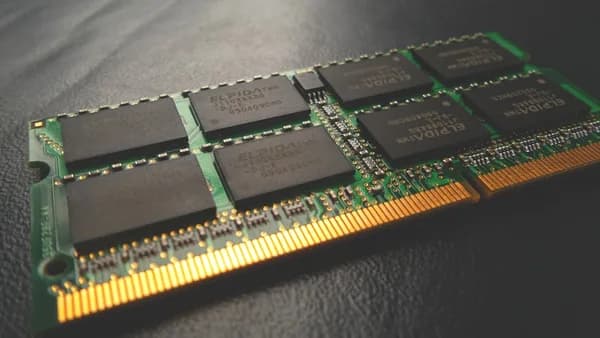
For business buyers, 48 GB is the most practical spec here. MLXIO analysis: it gives heavier browser users, spreadsheet-heavy teams, developers, analytics workers, and virtualization users more headroom without forcing a jump into workstation branding.
The display options also show Dell moving mainstream business machines closer to premium expectations. Notebookcheck says Wildcat Lake Pro 5 Series laptops can be configured with 60 Hz OLED and 120 Hz IPS displays.
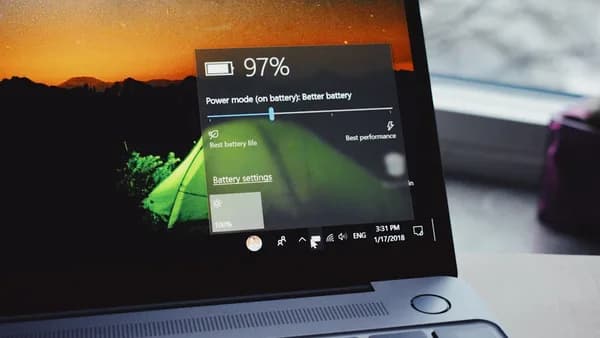
120 Hz is not only a gaming feature anymore. In productivity laptops, it improves perceived responsiveness: scrolling, cursor movement, window dragging, and long document work all feel less sluggish. The trade-off is power draw, which makes the 70 Wh battery option more relevant.
Intel describes Wildcat Lake as “hybrid AI-ready” with up to 40 platform TOPS, according to Tom’s Hardware.
That phrase needs parsing. Tom’s Hardware reports that the Core 7 360 and Core 7 350 have an NPU rated at 17 TOPS, below the 40 TOPS NPU threshold Microsoft requires for Copilot+ PC certification. So these Dell machines sit in a transition zone: AI-capable in Intel’s platform framing, but not necessarily in the same class as systems marketed around flagship local AI acceleration.
Wildcat Lake puts Dell between classic laptops and AI PC procurement
Intel is positioning Core Series 3 as the value counterpart to Panther Lake, with six consumer SKUs and more than 70 laptop designs scheduled from vendors including Acer, Asus, Dell, HP, Lenovo, MSI, Samsung, and others through the rest of 2026, according to Tom’s Hardware.
That makes Dell’s timing logical. Wildcat Lake gives PC makers a way to sell new machines into budget-sensitive segments while still offering fresh silicon, Wi-Fi 7, modern displays, and larger memory configurations.
MLXIO analysis: Dell’s Pro 3 and Pro 5 Wildcat Lake systems look less like “AI-first” devices and more like balanced enterprise workhorses. Buyers will likely judge them on battery behavior, configuration consistency, support options, thermals, display quality, and whether the base models are good enough — not only on NPU figures.
The risk is clear. If procurement checklists move quickly toward explicit NPU thresholds, Wildcat Lake’s value pitch could age faster than Dell wants. If most buyers keep prioritizing fleet cost, RAM, battery capacity, and dependable productivity performance, these machines fit the moment.
For readers tracking how Wildcat Lake is showing up beyond laptops, MLXIO has also covered Beelink Wildcat Lake mini PCs. And Dell’s broader Pro-family direction has been visible in our Dell Pro 7 14-inch coverage, where the same naming shift raises similar questions about configuration tiers.
Dell Pro branding still leaves hierarchy questions for long-time buyers
Dell’s current naming puts Pro 3 Series and Pro 5 Series front and center. The supplied sources do not map these directly against older Dell business naming conventions, so buyers should avoid assuming that a familiar historical tier translates one-for-one.
What is clear from the specs is the intended ladder. Pro 3 Series models are cheaper, but still support up to 48 GB RAM, 2 TB storage, Wi-Fi 7, and multiple battery capacities. Pro 5 Series models sit higher, adding options such as 60 Hz OLED and 120 Hz IPS panels.
The 14-inch and 16-inch split is the continuity point. Dell is still serving two familiar categories: portable daily machines and larger-screen systems for users who spend more time at a desk or need more workspace.
Different buyers will grade the same laptop in different ways
IT teams will care first about consistency. MLXIO analysis: the regional gap on Pro 5 Wildcat Lake availability could matter for multinational deployments if a company wants the same CPU family and chassis options across regions.
Finance teams will focus on the upgrade math. A cheaper Pro 3 Series with 48 GB RAM may be more attractive than a low-memory premium machine if the organization plans to keep laptops through a long refresh cycle.
Hybrid workers will notice different things. The 120 Hz IPS option may feel more immediately valuable than the processor name. Battery size, panel choice, and workload will determine whether the 70 Wh option produces the endurance buyers expect.
There are still missing details. Notebookcheck’s report does not provide weights, port layouts, webcam specs, thermals, or real-world battery results. Those are not minor omissions; they are the difference between a strong spec sheet and a good daily business laptop.
The 2026 corporate laptop fight will be won on balance, not one headline spec
Dell’s Wildcat Lake rollout raises the baseline. 48 GB RAM, Wi-Fi 7, 2 TB storage, 70 Wh battery options, and 120 Hz panels are now part of the mainstream Pro conversation, not just premium-device marketing.
The watch item is whether Dell expands Core 5 320, Core 5 330, Core 7 350, and Core 7 360 Pro 5 Series availability into North America. That would make the Wildcat Lake story more than a regional pricing alternative.
Evidence that would strengthen Dell’s pitch: competitive real-world battery tests, sensible base configurations, stable thermals, and consistent global SKU availability. Evidence that would weaken it: weak base displays, limited regional options, or buyers deciding that Copilot+ PC-class NPU performance is now mandatory.
For now, Dell’s new Pro models look like a pragmatic answer to the next fleet refresh: not the flashiest machines in the catalog, but potentially the ones many organizations can justify buying in volume.
The Bottom Line
- Dell is bringing 48 GB RAM ceilings to mainstream-looking business laptops instead of reserving them for workstations.
- The Wildcat Lake lineup gives corporate buyers a cheaper path below Panther Lake models while keeping strong configuration options.
- Features like Wi-Fi 7, 70 Wh batteries, and 120 Hz IPS displays raise expectations for midrange enterprise refresh cycles.