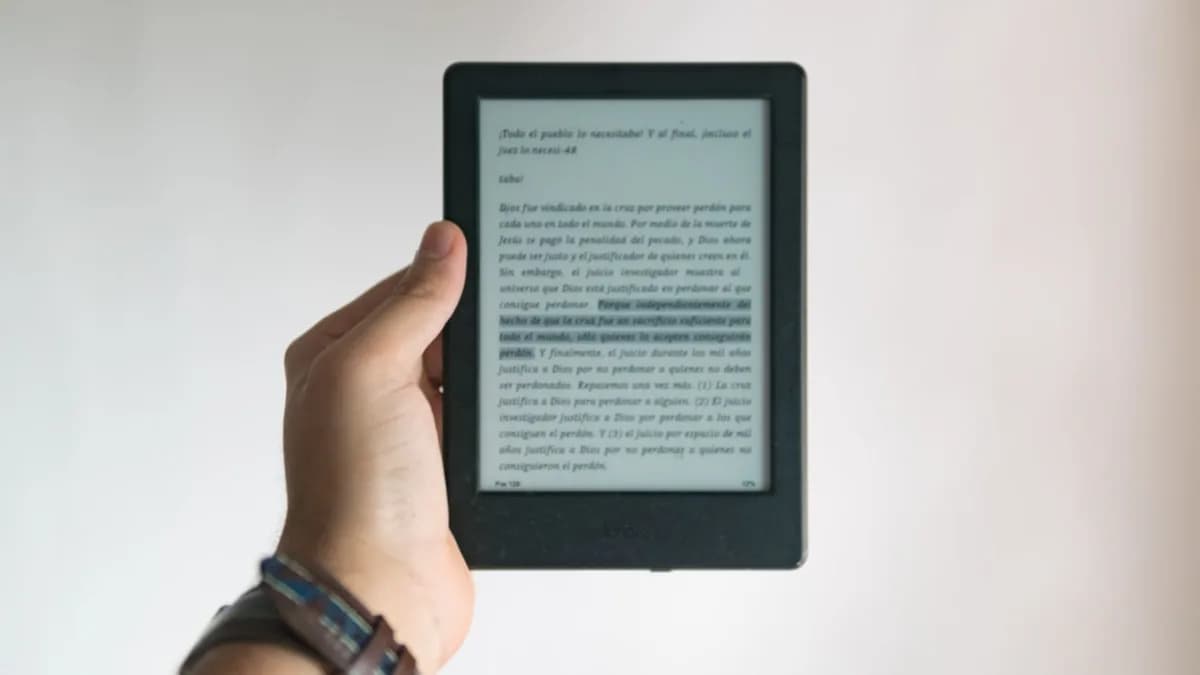
Why Boox’s Bold Redesign of Poke 7 Series Challenges Ereader Conventions
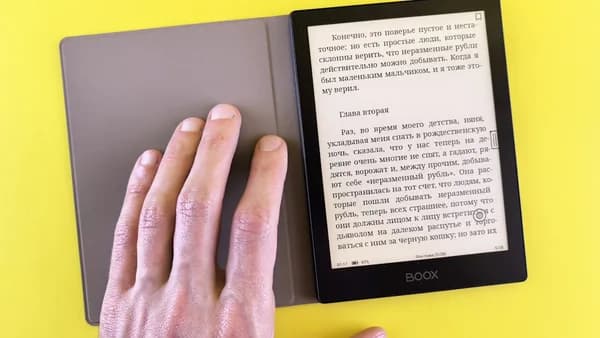
Boox just dropped the Poke 7 and Poke 7 Pro a day ahead of schedule, and the real headline isn’t the specs—it’s the color. In a market where black-and-white slabs dominate, Boox’s “new and colorful design” throws a punch at the monochrome status quo. Compact ereaders have long leaned on minimalist, grayscale looks, banking on the idea that reading is a serious, distraction-free affair. Boox seems to disagree.
This isn’t just a cosmetic refresh. By betting on vibrant aesthetics, Boox signals that personalization and visual differentiation matter—even in a category built on utility. The risk: polarizing traditionalists who see color as gimmick. The reward: attracting a younger or design-savvy segment that wants an ereader to match their style, not just their bookshelf. If the experiment sticks, it may force rivals to swap uniformity for character. According to Notebookcheck, this design shift is front and center in both the standard and Pro models.
Comparing Boox Poke 7 and Poke 7 Pro: Feature Set and Performance Insights
Both the Poke 7 and Poke 7 Pro share a compact form factor and the refreshed design. The source confirms they were announced together and target the same user base, suggesting feature parity in core reading functions. However, Boox’s usual playbook for “Pro” models involves internal upgrades—think better processors, more storage, or advanced reading features. That said, Notebookcheck does not detail these differences, so for now, users are left guessing about the true performance gap.
What is clear: both devices want to stand out visually. Software capabilities and screen technology are not spelled out, so assumptions about advanced note-taking, multitasking, or OS flexibility remain unconfirmed. Without specifics on hardware or software, the only explicit differentiator is the promise of a Pro tier—likely signaling a premium positioning, but with the details still behind the curtain.
MLXIO Analysis: The lack of technical differentiation in the initial reveal suggests Boox is leading with design to spark interest before diving into specs. This is a reversal from the usual ereader launch script, which prioritizes screen tech and battery life.
Market Data and Trends: Positioning Boox Poke 7 Series in the Competitive Ereader Landscape
Concrete sales data, market share figures, or pricing information are absent from the source. This means Boox’s positioning against entrenched players remains an open question. What’s explicit is the strategic gamble on color and compactness. If the market has grown bored of “another black rectangle,” Boox is testing whether design can reclaim attention in a category defined by functional parity.
What We Know: The Poke 7 series wants to be noticed—visually, if not yet functionally. The launch timing and early reveal suggest Boox is eager to get ahead of leaks or competitor announcements.
What Remains Unclear: Without concrete numbers, it’s impossible to say if Boox is chasing share or defending it. The impact on price-sensitive buyers or power users is unknown until specs and costs drop.
Diverse Stakeholder Perspectives on Boox’s New Ereaders: Consumers, Retailers, and Industry Experts
No official reactions from consumers, retailers, or analysts are available. But the early unveiling hints at an effort to generate buzz with design alone. Retailers may see the colorful aesthetic as a differentiator in crowded displays. For industry watchers, this signals Boox’s willingness to experiment—potentially elevating style as a new battleground.
MLXIO Interpretation: If Boox can back up form with function, it could nudge the industry away from “one-shape-fits-all.” But if specs disappoint, the design play could fizzle.
Tracing Boox’s Evolution: How the Poke 7 Series Reflects Broader Shifts in Ereader Technology
Historically, Boox’s Poke line has followed a familiar arc: iterative hardware tweaks, subtle design changes, and incremental software updates. The Poke 7 series marks a sharper break—at least in terms of presentation. The “new and colorful” angle is novel for Boox, a sign that the company sees value in standing out, not just keeping up.
Past generations leaned on hardware or file compatibility as selling points. This time, Boox is betting that visual identity can move the needle, reflecting a broader shift in consumer tech where looks matter as much as features.
What Boox’s Poke 7 Launch Signals for Ereader Users and the Industry’s Future Direction
A splash of color on an ereader may sound trivial, but it’s a signal. If users respond, it could rewrite what’s expected from a reading device—making personalization and self-expression part of the package. For the industry, it’s a challenge: innovate beyond specs or risk irrelevance.
Content providers and accessory makers may need to adapt, too. A more visually distinctive device could drive interest in cases, skins, or even branded content experiences tailored to new form factors.
Forecasting the Next Wave of Ereader Innovations Inspired by Boox’s Poke 7 Series
If Boox’s bet pays off, expect a wave of imitators and further experiments in design. The next logical step: modular or customizable ereaders, limited edition colorways, or collaborations that treat the device as fashion as much as function.
But all eyes are on Boox to see if the Poke 7 series can deliver substance behind the style. The real test comes when specs, user feedback, and market response emerge. If the Poke 7’s design-first strategy succeeds, it could force a rethink of what an ereader should be—beyond a simple tool, toward an object of personal value.
What to Watch: Detailed hardware and software specs, initial hands-on reviews, and sales velocity in the first months will reveal if this design gamble is a one-off or the start of a new trend. If rivals follow suit, the era of the black-and-white slab may be on borrowed time. If not, Boox’s color burst will fade into the background.
Why It Matters
- Boox’s colorful redesign challenges the traditionally monochrome look of ereaders.
- Personalization and visual style could become a new battleground in the ereader market.
- If successful, this move could push rivals to rethink the aesthetics of their devices.