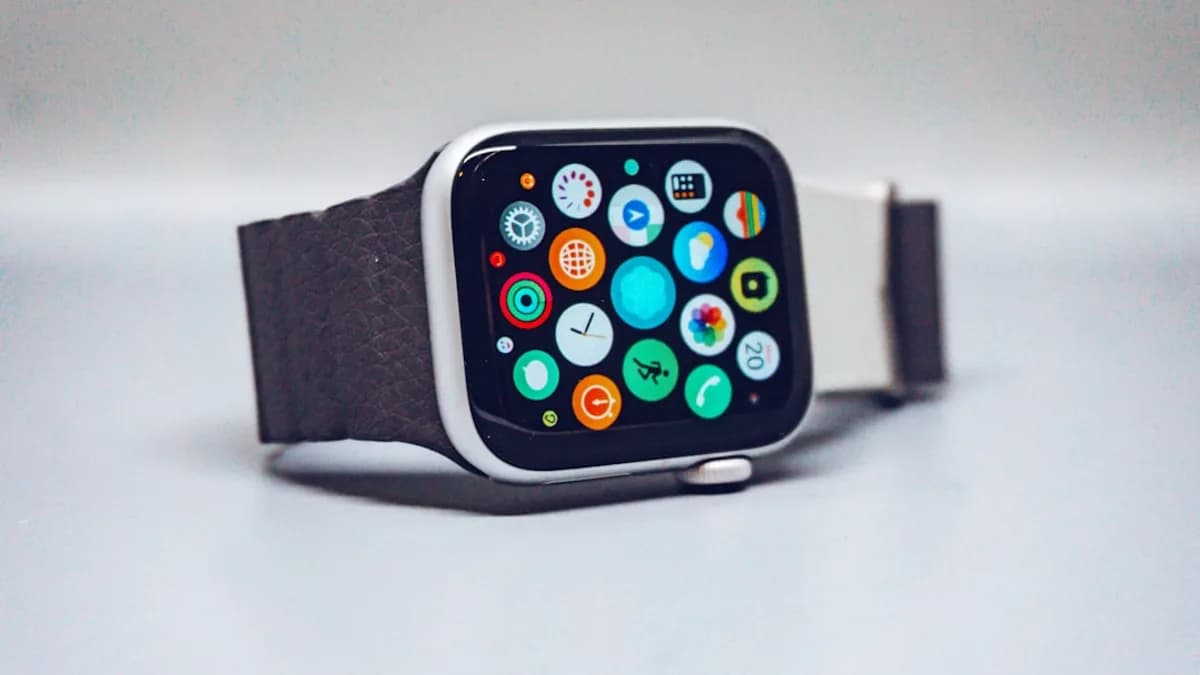
Why the Apple Watch Ultra 4 Redesign Could Change the Smartwatch Market
Apple is preparing a full-scale redesign of its most expensive smartwatch for the first time since the line’s launch in 2022—a move that signals more than a routine hardware refresh. According to Gsmarena, the next Apple Watch Ultra (Ultra 4) won’t just tweak the formula—it will break from the established look and feel that has defined the Ultra since it hit shelves.
Why does this matter? Apple’s Ultra line sits at the top of its wearable strategy, both in price and in ambition. The original Ultra set the standard for rugged design and niche athletic features. A major redesign means Apple believes the current form has hit its limit or that user needs have shifted enough to justify a new direction. For the broader industry, Apple’s design moves frequently set expectations for both premium features and mainstream adoption. If the Ultra 4 surprises, rivals and accessory makers will scramble to catch up.
What Are the Expected Design Changes in the Apple Watch Ultra 4 Based on Current Rumors?
So far, the only hard rumor is that the Apple Watch Ultra 4 will see a “complete redesign.” No details have surfaced—no leaks, no renders, not even a silhouette. That leaves the actual changes wide open to interpretation, but the promise of a full overhaul is rare for Apple’s highest-end wearables.
Historically, Apple’s “complete redesigns” have meant major shifts in materials, shape, or display. For example, moving from Series 3 to Series 4, Apple overhauled the chassis and screen, and the Ultra line itself launched as a distinct, bolder format compared to the mainline Watch. A new Ultra could mean anything from a thinner case to new finishes, but without specifics, every scenario remains speculative.
What’s clear: a total redesign would reset accessory compatibility and require users and developers to rethink how they interact with the device. The Ultra’s current design is already bulkier and more utilitarian than the Series 9 or SE, so a change could either double down on that niche or try to broaden the appeal. None of this is confirmed—only the intent for “big change.”
How Could the Apple Watch Ultra 4’s Upgraded Sensing Functions Enhance User Experience?
Alongside the physical redesign, the same rumor points to a “significant upgrade to sensing functions.” That’s a loaded statement, especially for a device that already boasts a robust sensor suite for health, fitness, and environment tracking.
Today’s Ultra models track heart rate, blood oxygen, temperature, and altitude, and serve up features like ECG and fall detection. A “significant upgrade” could mean the addition of entirely new sensor types or a leap in the accuracy and speed of the existing ones. The rumor does not specify whether new sensors will be added or if the current set will just get smarter.
For the user, any sensing upgrade could mean more reliable health readings, better navigation or safety features for outdoor activities, or new health metrics altogether. But without details, it’s unclear whether these changes will be headline-grabbing (like the first ECG introduction) or more incremental.
What Can We Learn from Previous Apple Watch Redesigns to Predict the Ultra 4’s Features?
Apple’s track record with Watch redesigns reveals a pattern: major hardware shifts arrive only when Apple believes it can deliver clear functional advantages. The leap from Series 3 to Series 4, for example, brought a larger display, thinner bezels, and the first ECG sensor—improvements that made the device more useful, not just prettier.
When the Ultra line launched in 2022, it broke away from the main Watch family with a bulkier frame, larger battery, and a focus on extreme sports and durability. That change wasn’t just aesthetic; it shifted the target audience and accessories market.
Analysis: If Apple is spending the engineering resources on a “complete redesign,” expect the result to be more than a cosmetic update. Apple rarely changes a flagship’s look without pairing it with at least one major functional leap (e.g., new health data, improved navigation for adventurers, or a new way to interact with the device). But with no images, specs, or leaks, we can only highlight the pattern: Apple redesigns the Watch to open new use cases, not just for style.
When Can Consumers Expect the Apple Watch Ultra 4 and How Should They Prepare?
Apple’s Watch updates typically drop in the fall, often aligned with the iPhone launch cycle. The rumor mill points to a 2026 release for the Ultra 4, but there’s no official confirmation or leaked launch date.
For current Ultra owners—or anyone considering waiting—the lack of detail means patience is essential. Anyone invested in accessories or apps that depend on the Ultra’s current shape should be ready for a possible reset if the physical design changes radically. On the flip side, those who care most about having the latest health or fitness tech may want to watch for concrete announcements about new sensors before pulling the trigger on an upgrade.
What Remains Unclear and What to Watch Next
Here’s what we don’t know: There are no images, no technical specs, and no confirmation of which sensors or functions are coming. Even the meaning of “complete redesign” is up for debate—Apple could change everything or focus on one dramatic shift.
The big watch item: when Apple’s hardware events roll around later this year or next, look for clues in developer documentation, supply chain leaks, or early accessory listings. If the past is any guide, the first real hints will come from regulatory filings or case manufacturers—long before Apple says a word.
Analysis: Apple’s move to totally overhaul its flagship Watch signals a willingness to disrupt its own playbook, especially in the premium tier. The question is whether this redesign will drive adoption with real new capabilities—or simply set a new design trend for the rest of the industry to chase.
Why It Matters
- A complete redesign of the Apple Watch Ultra signals a major shift in Apple’s approach to its most premium wearable.
- Apple’s design decisions often influence the broader smartwatch and accessories market, prompting rivals to adapt quickly.
- A new look could reset expectations for both consumers and accessory makers, potentially disrupting existing product ecosystems.