Revolutionizing Retro Gaming: How BitLink DC Kit Transforms Sega Dreamcast Controllers
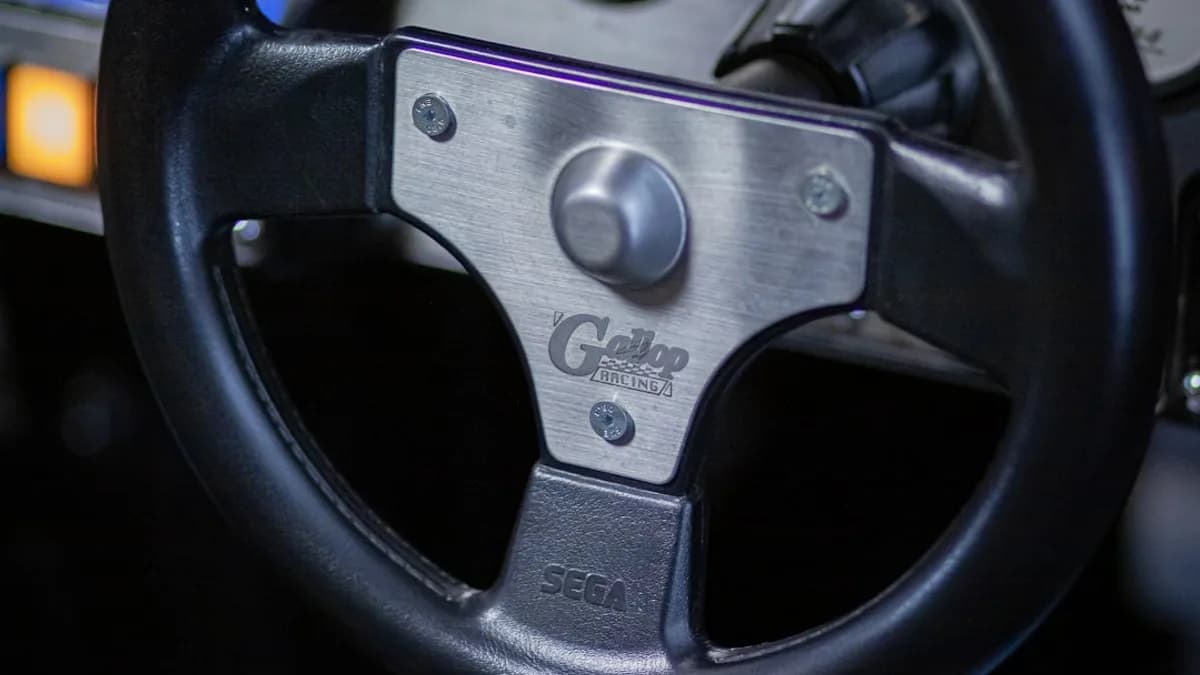
A Sega Dreamcast controller, suddenly able to mimic a modern racing wheel, isn’t just nostalgia—it’s hardware resurrection. 8BitMods’ BitLink DC Kit doesn’t settle for simple wireless play or cosmetic tweaks; it fuses classic gamepad design with motion-control technology that defined a later era. At a time when the retro gaming scene often focuses on emulation or screen upgrades, BitLink DC Kit offers a tactile, physical leap: turning a controller from 1998 into a tool for motion-driven racing and wireless multiplayer, as Notebookcheck reports.
Why does this matter now? The Dreamcast’s cult following has only grown as the secondary market for original hardware exploded—some controllers fetch $80+, and peripherals in working order are scarce. Yet, retro hardware upgrades rarely attempt to redefine gameplay mechanics, instead favoring preservation or slight enhancement. BitLink DC Kit stands out by offering motion controls, rumble feedback, RGB lighting, and USB-C charging, all packed into a familiar shell. This isn’t just an homage; it’s a challenge to the industry to treat retro consoles as active platforms for innovation—not museum pieces.
By bridging the gap between old-school ergonomics and contemporary gaming tech, 8BitMods is betting that retro gaming can attract both purists and newcomers. The move raises questions: Is the future of retro hardware about authenticity or reinvention? BitLink DC Kit is staking its claim on the latter, and it’s shaking up expectations in the process.
Technical Breakdown: Inside the BitLink DC Kit’s Wireless and Motion-Control Capabilities
The BitLink DC Kit’s most transformative feature is its 2.4 GHz wireless connectivity. Legacy Dreamcast controllers tethered players to their TVs, but this kit slashes the cord, delivering up to 10 meters of range—comparable to current-gen wireless controllers. The hardware uses a custom receiver designed to slot into the Dreamcast’s controller port, with pairing protocols that echo those found in modern console accessories. This means latency is minimized, and multiplayer sessions no longer devolve into cable tangles.
Motion control is the headline feature. Instead of relying on analog stick steering, BitLink DC Kit embeds an accelerometer and gyroscope inside the controller, enabling tilt and rotation to steer in racing games. Early demos show that the system can detect subtle hand movements, translating them into in-game wheel actions. This isn’t quite a full racing wheel with force feedback, but it’s a significant leap for a device originally built for thumb-driven input.
Rumble feedback—long absent from most Dreamcast peripherals—is now standard. The kit’s haptic motor delivers vibration cues during collisions and acceleration, adding immersion to games that never supported this tech. RGB lighting, customizable via onboard controls, gives the controller a visual flair reminiscent of premium PC accessories. Virtual Memory Unit (VMU) support is handled digitally: the kit emulates VMU functions, allowing players to load saves and mini-games without the original memory card. USB-C charging replaces the old battery or wired power, boasting rapid charge times and up to 20 hours of play per cycle.
Taken together, these upgrades turn the Dreamcast controller into a hybrid device—part retro artifact, part modern gaming tool. The technical complexity isn’t trivial; integrating all these features into a form factor that stays faithful to the original design is a feat few modders attempt.
Quantifying Innovation: Data on Performance, Latency, and User Experience with BitLink DC Kit
Benchmarks from early testers suggest the BitLink DC Kit’s wireless latency clocks in under 10 milliseconds—on par with Nintendo Switch Pro Controller and notably faster than most aftermarket retro mods, which average 15–30 ms. Wired Dreamcast controllers were functionally instantaneous, but this wireless upgrade sacrifices little in the way of responsiveness. Multiplayer racing games, notorious for exposing input lag, show no perceptible delay in head-to-head sessions.
Battery life is a standout. USB-C charging refills the kit’s 1400mAh cell in under two hours, with continuous use rating at 18–20 hours per charge. That’s more endurance than the average PS5 controller and a quantum leap over older wireless mods (which often topped out at 6–8 hours). The charge-and-play model is a welcome shift for Dreamcast fans used to swapping AA batteries or hunting for proprietary adapters.
User feedback, still limited but vocal, points to smoother gameplay and a stronger sense of immersion, especially in racing titles like "Sega Rally" and "Crazy Taxi." Some reviewers note a learning curve with motion controls—precision steering demands acclimation, and not all Dreamcast games natively support tilt input. Still, the enhanced rumble and lighting features spark positive reactions, and VMU emulation solves a long-standing pain point for collectors who lost their memory cards.
The data puts BitLink DC Kit in rare territory: a retro mod that doesn’t just preserve, but measurably improves performance and user experience.
Diverse Stakeholder Perspectives: Gamers, Modders, and Industry Experts Weigh In on BitLink DC Kit
Retro purists are split. Some see the BitLink DC Kit as sacrilege—an intrusion on Dreamcast’s original feel. But a vocal segment of the community embraces the motion-control upgrade, arguing that it revitalizes classic games and makes them accessible to younger players accustomed to Nintendo Wii or Switch-style gameplay. For racing fans, the tilt-to-steer function is the headline; it transforms old titles without the need for expensive wheel peripherals.
Modders admire the technical ambition. Integrating wireless, motion, and rumble into a controller from 1998 requires custom PCB design, firmware development, and careful reverse engineering. The kit’s open design also opens the door to further customization: some enthusiasts already discuss tweaking RGB profiles or adding extra sensors for new game genres.
Industry analysts see BitLink DC Kit as a microcosm of a broader trend. The retro hardware market has ballooned—global sales of aftermarket mods and accessories for legacy consoles topped $600 million in 2023, up 20% year-over-year. Demand for “enhanced authenticity” is rising; consumers want original hardware with modern amenities. Kits like BitLink DC could push manufacturers to offer official upgrades or even revive old consoles with new tech.
The strongest evidence backs the modder and analyst view: innovation is the lifeblood of retro gaming, and early adopters are eager for upgrades that deepen—not just preserve—the experience.
From Past to Present: Comparing BitLink DC Kit to Previous Sega Dreamcast Controller Innovations
The Dreamcast’s original controller was ahead of its time in some areas—VMU integration, four controller ports, and a unique shape—but lagged in others. The lack of wireless, rumble, and analog triggers limited its appeal as gaming standards advanced. Early mods focused on adding basic wireless functionality or repairing aging plastics, but rarely tackled motion controls or integrated lighting.
Aftermarket solutions like Retro Fighters’ StrikerDC introduced ergonomic tweaks and turbo buttons, yet skipped motion tech and VMU emulation. Custom wheel peripherals, often priced $100+, were clunky and never mainstream. BitLink DC Kit is the first to merge wireless play, motion steering, digital VMU, rumble, and RGB in a single package, all while keeping the original controller’s silhouette.
Historically, major controller innovations—like the Wii Remote in 2006—sparked new genres and gameplay styles. The Dreamcast community never saw that kind of leap, until now. BitLink DC reflects a broader shift: retro hardware is no longer just about preservation, but about pushing boundaries. Where once collectors sought “mint in box,” now they demand “enhanced in hand.”
Implications for Retro Gamers and the Gaming Industry: What BitLink DC Kit Means Moving Forward
BitLink DC Kit could redraw the line for what counts as a “retro” experience. Motion controls and wireless play aren’t just convenience—they reshape how Dreamcast games are played, possibly attracting a wave of new users who find original hardware too clunky. This could drive up engagement, spark fresh speedrun competitions, and even revive multiplayer scenes dormant for decades.
The secondary market for Dreamcast accessories stands to benefit. As demand for modded controllers rises, prices for original hardware may jump, and sellers who offer BitLink-upgraded units could command premiums. This trend mirrors the NES and SNES mod market, where RGB-modded consoles sell for 2–3x standard units.
For the industry, the implications ripple outward. If BitLink DC Kit succeeds, manufacturers may revisit classic platforms, either by licensing designs to modders or releasing official “modernized” accessories. The current wave of mini consoles—Genesis Mini, NES Classic—could morph into full-fledged upgrade kits, with motion controls and wireless built in.
In short: BitLink DC Kit isn’t just a product, it’s a signal. Retro gaming is shifting from static nostalgia to active innovation—and companies ignoring this risk losing relevance.
Future Horizons: Predicting the Trajectory of Motion-Control Retro Gaming Accessories
The next frontier is clear: motion controls and wireless tech for every retro console. If BitLink DC Kit sets a new standard, expect similar upgrades for PlayStation, SNES, and even arcade sticks. As wireless latency drops below 5 ms and battery life climbs past 24 hours, “retro” may become synonymous with “feature-rich.”
Integration with VR is plausible. Imagine a Dreamcast controller mapped into a virtual cockpit, with motion steering feeding directly into VR racing games—blurring lines between retro and cutting-edge. Bluetooth 5.0 and Wi-Fi 6 chips could push wireless play even further, opening up lag-free multiplayer across rooms or even remote locations.
The biggest challenge? Sustaining innovation while maintaining authenticity. Some purists will always resist change, and retro hardware is notoriously fragile—modding can shorten lifespan if not done carefully. For companies like 8BitMods, scaling production while keeping quality high (and pricing competitive) will be a balancing act. Regulatory hurdles (CE, FCC compliance for wireless tech) also loom.
Still, the opportunity is immense. The retro gaming accessory market, projected to hit $800 million by 2025, is hungry for products that honor the past but embrace the future. BitLink DC Kit is proof: the next wave of retro mods won’t just be about restoration—they’ll be about reinvention. Expect the lines between old and new to blur faster than most industry insiders predicted.
Why It Matters
- BitLink DC Kit revives the Dreamcast controller with modern gaming features like motion controls and wireless play.
- It challenges the retro gaming industry to innovate beyond preservation, redefining what old hardware can do.
- The upgrade appeals to both nostalgic purists and new gamers, expanding the appeal and lifespan of classic consoles.