Leaked Video Reveals Foldable iPhone Prototype with Ultra-Slim 5.2 mm Thickness
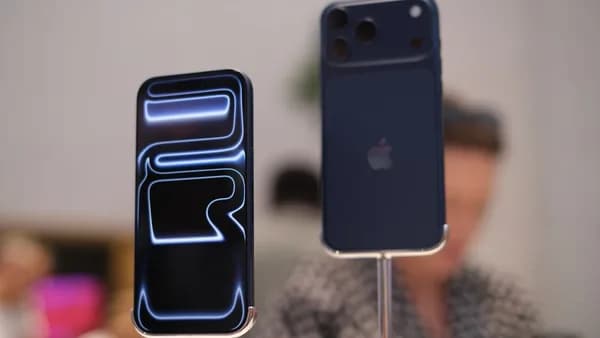
Apple’s first foldable iPhone looks nearly as compact as the iPhone 4, but with a futuristic twist: unfolded, the device measures just 5.2 mm thick—thinner than any current foldable on the market. A prominent YouTuber revealed exclusive footage of the design unit, showcasing a height only 2 mm greater than the iconic iPhone 4, according to Notebookcheck.
The video, which has already racked up hundreds of thousands of views, gives the clearest look yet at Apple’s foldable contender. The prototype sports a near-edge-to-edge display and the kind of minimal hinge gap that Samsung and Huawei have struggled to perfect. If the rumors hold, Apple could formally unveil the device in September—putting the company just weeks away from entering a product category it’s so far left to rivals.
While the design unit is not a working phone, its dimensions are telling. At 5.2 mm thick when unfolded, it undercuts the Galaxy Z Fold5 (6.1 mm) and Huawei Mate X3 (5.3 mm), signaling Apple’s intent to win on hardware elegance as much as software polish.
What the Foldable iPhone Means for Apple’s Smartphone Innovation and Market Position
Apple’s move into foldables isn’t just a design flex; it’s a direct shot at Samsung, Huawei, and Honor, who have spent years iterating on folding glass and hinge mechanisms. Samsung’s foldables—now in their fifth generation—commanded 63% of the global foldable market in 2023, but Apple’s brand loyalty and design reputation could upend those numbers fast.
Compactness is the headline here. The prototype’s height—just a sliver taller than the 2010 iPhone 4—suggests Apple is betting on pocketability, not just screen real estate. That’s a challenge for competitors: the Z Fold series and Mate X3 both sprawl in the hand and the pocket. Apple appears to be threading the needle, aiming for a device that delivers a larger unfolded experience without the usual bulk.
The “iPhone Ultra” label swirling in leaks hints at a new tier in Apple’s lineup—possibly positioned above the Pro models, with exclusive features and a premium price. If Apple follows its Watch Ultra playbook, expect ruggedized materials, exclusive finishes, and the most advanced mobile silicon Apple can ship.
User experience is the wild card. Samsung’s foldables have faced criticism for software quirks and durability issues, while Huawei’s models are hobbled outside China by a lack of Google services. Apple’s control over iOS could mean a foldable that finally nails seamless multitasking and continuity, especially if it borrows iPadOS features. For power users and early adopters, the appeal is obvious: a truly pocketable device that expands into a productivity slate.
Anticipated Features and What to Expect Ahead of the Official Foldable iPhone Launch
Apple’s foldable is expected to debut with exclusive hardware—think ultra-thin OLED panels, next-gen hinge tech, and possibly a battery split across both halves for better weight distribution. On the software side, analysts predict a version of iOS tuned for split-screen, drag-and-drop, and flexible windowing—features iPad users have demanded on the iPhone for years.
Supply chain signals are hard to ignore. Apple’s display suppliers, including Samsung Display and LG Display, have ramped up flexible panel R&D since 2022. Meanwhile, reports of hinge patents and new folding glass contracts have accelerated in the last two quarters. If September is the target, mass production should be starting now, with only a handful of partners capable of meeting Apple’s volume and yield demands.
Pricing will be aggressive—expect a sticker north of $1,500, given the premium positioning and competition with Samsung’s Z Fold5 ($1,799 at launch). Market availability will likely be limited at first—Apple often restricts new form factors to the US, China, and a few key markets before global rollout.
What to watch: supply chain leaks in July and August, regulatory filings in China and the US, and the inevitable trickle of iOS 18 beta code pointing to foldable-specific features. If Apple nails the launch, it could set a new standard for what a foldable can be—forcing rivals to rethink not just their hardware, but also the software that powers these shape-shifting devices.
The Bottom Line
- Apple’s foldable design sets a new benchmark for device slimness, challenging current industry leaders.
- A successful launch could disrupt Samsung’s dominance in the foldable smartphone market.
- Consumers may benefit from increased competition, driving innovation and potentially better pricing.