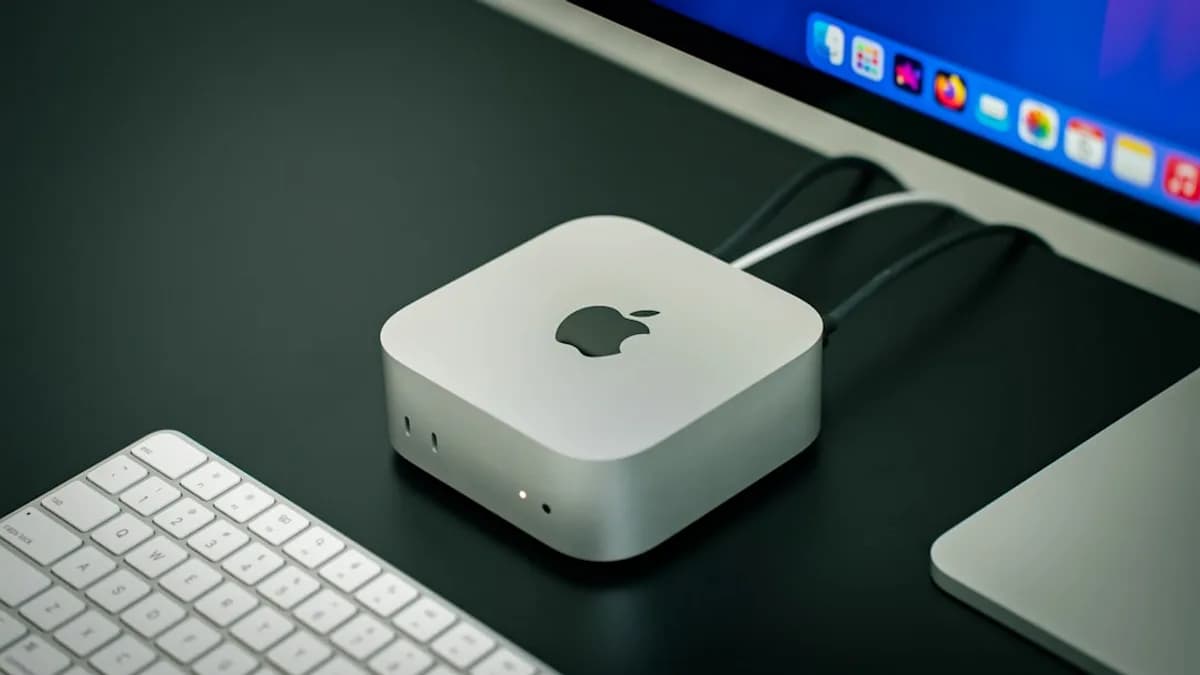
Introduction: Understanding the Significance of the Base Mac Mini Sellout
Apple’s base Mac Mini, which costs $599, is now completely sold out in their online store [Source: Google News]. This is not just a blip. The Mac Mini has always been Apple’s most affordable desktop computer. Lots of people use it for home offices, schools, and small businesses. For many, it’s the entry point into Apple’s Mac lineup. So when the base model disappears from shelves, it signals something bigger than just missing stock. It makes us wonder why this happened, if it’s a sign of deeper changes, and what it means for Apple fans and buyers.
Analyzing the Causes Behind the Base Mac Mini Stock Shortage
Why is the base Mac Mini now nowhere to be found? One reason could be ongoing supply chain disruptions. Even though COVID shutdowns are mostly over, factories in Asia still face delays from chip shortages, shipping slowdowns, and new tech demands. Apple is famous for managing its supply chain tightly, but even they can’t escape global problems.
Another possible cause: more people want Mac Minis. Remote work is now normal for many. Home offices need reliable computers, and the Mac Mini fits the bill. It’s small, powerful, and doesn’t cost as much as an iMac or MacBook Pro. During the pandemic, Mac sales surged as people upgraded old PCs. This could have pushed demand higher than Apple expected.
But there’s another twist. Apple is rumored to be delaying new releases for the Mac Studio and MacBook Pro by several months [Source: Google News]. When buyers sense new models might be postponed, they often grab what’s available right now. This “buy before it’s gone” behavior may have emptied the shelves faster. It’s like when a new iPhone is about to launch, and people rush to get the outgoing model before prices rise or stocks vanish. So, the Mac Mini sellout is probably a mix of supply hiccups, growing demand, and people hedging their bets before the next upgrade cycle.
Implications of the Sellout on Apple’s Product Release Strategy
The sellout of the base Mac Mini could shake up Apple’s plans for rolling out new products. Several tech sites report the next Mac Studio and MacBook Pro launches might be pushed back [Source: Google News]. If true, Apple risks losing momentum with its most loyal users, who expect steady upgrades and fresh hardware.
Stock shortages are not new for Apple. The company often runs low on popular items, especially before big launches. But when a low-cost staple like the Mac Mini sells out, it can make buyers nervous. Is it just a hiccup, or a sign of bigger inventory problems? Apple’s tight control over its supply chain is legendary, but recent global events show even giants can stumble.
This kind of shortage also affects trust. When buyers can’t get what they want, some may switch to rivals or wait longer to upgrade. If Apple keeps missing stock or delays new products, it risks looking slow compared to companies like Dell and HP, which often have steady supply. Still, some fans may stick around, trusting Apple to deliver eventually. But repeated shortages could chip away at that loyalty.
What the Sellout Suggests About Apple’s Future Mac Mini Upgrades
Leaks hint that Apple is planning a big ‘Pro’ upgrade for the Mac Mini in 2026, likely at WWDC [Source: Google News]. This could mean stronger chips, more ports, or even a redesign. With the base Mac Mini gone, Apple might be clearing out old stock to make room for something new.
This pattern fits Apple’s history. When a model sells out, it’s often because a new version is coming soon. The company did this with the iPhone SE and older MacBooks. By running down inventory, Apple avoids leftover stock and builds excitement for what’s next.
A ‘Pro’ Mac Mini could help Apple fight for a bigger slice of the desktop market. Right now, Mac Minis are popular with creative pros, coders, and small businesses. But a beefier model could pull in gamers, engineers, and others who need more power but don’t want a pricey Mac Studio. It could also make Apple’s desktop lineup more competitive against strong Windows PCs from Lenovo and ASUS.
Broader Impact on the Mac Ecosystem and Consumer Expectations
If delays and shortages keep happening, the whole Mac ecosystem could feel the squeeze. When one product runs out, it can push buyers toward other models, or make them rethink buying a Mac at all. These ripples can hurt sales for accessories, software, and services tied to the Mac.
Consumer excitement is high for new tech. Many are waiting for the first touchscreen MacBook, which is rumored to be coming soon [Source: Google News]. But if Apple keeps shifting release dates, fans may get frustrated. Some might turn to iPads, which already have touchscreens, or switch to Windows laptops that offer touch for years.
Apple’s habit of changing product cycles can be tricky. Sometimes, it keeps things fresh and lets users plan upgrades. Other times, it leaves buyers guessing or waiting too long. Loyalty is strong among Mac users, but it’s not unbreakable. If Apple wants to keep its fans happy, it needs to balance steady upgrades with new features and reliable supply.
Conclusion: Navigating Apple’s Transitional Phase with Optimism and Caution
The base Mac Mini sellout is more than a missing item—it’s a sign that Apple is shifting gears. Supply chain troubles, rising demand, and big upgrades all play a part. Fans should be excited for what’s next, but also patient. Delays and shortages may be bumps in the road, not dead ends. As Apple prepares for new models and fresh ideas, buyers can hope for better, faster computers—but should also expect the unexpected. This is a time of change for the Mac lineup. Staying informed, flexible, and realistic will help users get the most from Apple’s new direction.
Why It Matters
- The sellout highlights rising demand for affordable desktops amid ongoing remote work trends.
- Supply chain disruptions continue to impact tech availability, even for major brands like Apple.
- Buyers may face delays or price hikes as Apple adjusts its product lineup and release schedules.