Asus Unveils ZenScreen MQ16FC: A 16-Inch Portable OLED Monitor with USB-C Pass-Through
Asus is betting on OLED for the next wave of portable displays, launching the 16-inch ZenScreen MQ16FC in select European regions for €299.90 (roughly $351). The headline: OLED visuals, a productivity-focused 16:10 aspect ratio, and USB-C power pass-through—all packed into a lightweight frame that targets remote workers, creatives, and anyone tired of washed-out travel monitors, according to Notebookcheck.
Most portable monitors in this price tier still ship with IPS panels. Asus’s OLED panel promises richer contrast and more accurate color—a clear play for users who need fidelity on the go. The USB-C pass-through means one cable can handle power and video, streamlining setups for laptops, tablets, or even some smartphones.
Early listings show the MQ16FC available in Germany, France, and Benelux, with more regions likely to follow. Asus is betting the €299.90 tag undercuts rivals like the LG Gram +View and the Lenovo ThinkVision M14d, both of which retail north of €350 in most EU markets.
How Asus ZenScreen MQ16FC Enhances Portable Display Options for Professionals and Creators
OLED isn’t just a buzzword here—it’s a substantial leap for a category plagued by mediocre panels. Most portable monitors top out at 45% NTSC color gamut and middling contrast ratios. The MQ16FC promises 100% DCI-P3 coverage, 1,000,000:1 contrast, and true blacks—critical for photographers, designers, and video editors who need to check color accuracy outside a studio.
The 16:10 aspect ratio is another deliberate choice. Compared to standard 16:9 displays, 16:10 adds vertical workspace, making spreadsheets, code, and documents less cramped. For media consumption, this aspect ratio also means fewer black bars when viewing content shot in standard formats.
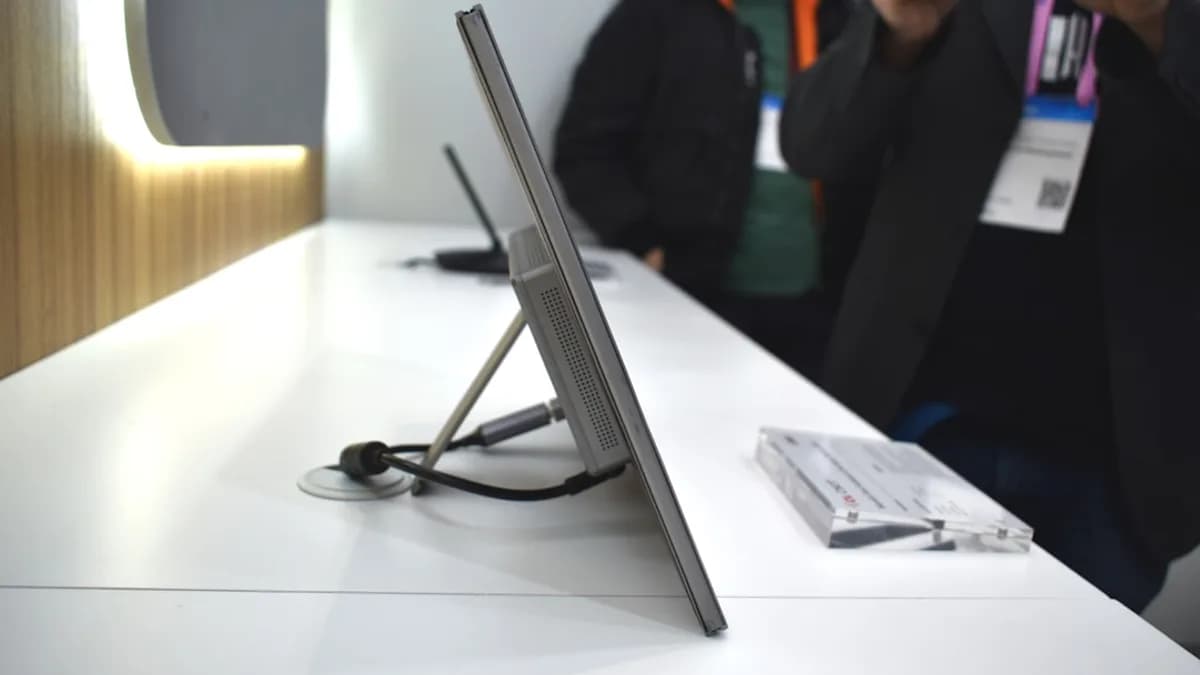
USB-C power pass-through is more than a convenience—it’s a necessary feature for modern workflows. Many professionals rely on a single USB-C port for both charging and display output, especially on ultraportable laptops. Asus’s implementation allows users to keep their laptop powered while running the monitor, without dongle daisy chains or external power bricks.
At under 1 kg, the MQ16FC is lighter than most competitors with similar screen real estate. The slim profile and foldable smart case make it viable for frequent travelers who want to toss a second screen in a backpack without bulking up. For remote workers and digital nomads, it’s a marked improvement over carrying a heavy 15.6-inch IPS monitor or relying on tablet-based solutions.
Portable OLED monitors have been niche—often too expensive for mass adoption. Asus is clearly targeting a broader segment with this sub-$400 launch. Early buyers are likely to be freelancers, field sales reps, and creative professionals who need to nail color accuracy regardless of location.
What to Expect Next: Availability Expansion and Potential Market Impact of Asus’s New OLED Monitor
Asus hasn’t released a global rollout schedule, but the MQ16FC’s debut in core EU markets signals a wider launch is likely. The U.S. and Asia-Pacific regions could see listings within months, given Asus’s prior release cadence for ZenScreen models.
The €299.90 price puts pressure on rivals. LG’s Gram +View typically retails at €399, with similar specs but no OLED panel. Lenovo’s ThinkVision M14d offers a 16:10 IPS display at €349, but can’t match the MQ16FC’s contrast and color. If Asus holds the line on price, it could force competitors to rethink their panel choices or cut margins.
Portable monitor sales jumped 30% year-over-year in 2023, driven by hybrid work and a growing creator market. If the MQ16FC catches on, expect more OLED models—and possibly mini-LED variants—in this form factor within a year.
For buyers outside the initial EU regions, tracking Asus’s local storefronts and major retailers will be key. Early demand could lead to shortages or price hikes, as seen with last year’s launch of the ZenScreen OLED MQ13AH. Pre-orders will likely open in additional countries as Asus gauges response.
Bottom line: Asus’s MQ16FC sets a new bar for portable monitors under $400. If rivals follow, 2024 could be the year OLED goes mainstream for mobile professionals—not just a luxury for the few willing to pay a premium.
Key Takeaways
- Asus brings OLED quality to portable monitors, offering better color and contrast for professionals on the go.
- The ZenScreen MQ16FC undercuts rival models with a lower price point and advanced features like USB-C pass-through.
- Its 16:10 aspect ratio and lightweight design target remote workers and creatives needing versatile, high-fidelity displays.