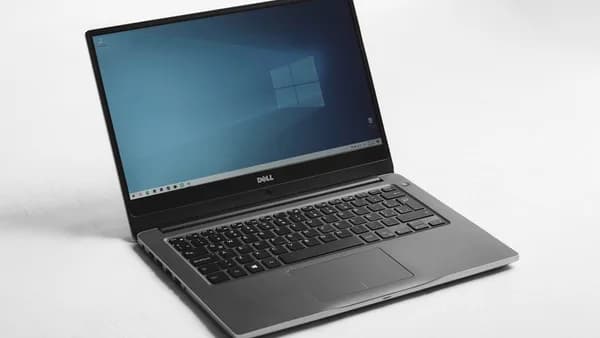
Asus Unveils ExpertBook Ultra 14 Featuring Core Ultra X7 at $3599 Launch Price
Asus just put a $3599 sticker on its new ExpertBook Ultra 14, making it the most expensive mainstream ExpertBook yet. The Ultra 14, announced today, is powered by Intel’s top-tier Core Ultra X7 chip and packs a razor-thin chassis with dual OLED touchscreens—a spec sheet that chases after high-end MacBooks and the Lenovo ThinkPad X1 foldable, but at a steeper price than either. The machine is available for order now, according to Notebookcheck.
The Ultra 14’s main draw is the tandem OLED display, which lets users extend content from the main 14-inch 3K panel onto a second, smaller touchscreen below—think Sidecar on steroids. Inside, the Core Ultra X7 brings 16 AI-centric cores and Intel’s latest neural processing unit, with up to 64GB of RAM and a 2TB PCIe Gen4 SSD. The laptop weighs under 1.2kg and measures just 12mm thick, making it one of the lightest and thinnest pro-level notebooks in its class.
By slotting the Ultra 14 above its existing ExpertBook B9 and B7 lines, Asus is signaling a bid for the corporate executive and creative pro segment—where buyers will pay for portability and bleeding-edge features.
High-End Features and Premium Pricing Set Asus ExpertBook Ultra 14 Apart
The $3599 price puts the Ultra 14 in rarified air—$400 above a maxed-out MacBook Pro 14 and nearly double the price of the Dell XPS 13 Plus. Asus is betting that features like the dual OLED configuration and neural processing hardware justify the premium, but most buyers will balk unless they need every ounce of that innovation.
The dual OLED screens are the real differentiator. While Lenovo’s X1 Fold offered a folding screen, Asus splits the experience into a main panel and a secondary touchscreen for toolbars, widgets, or stylus input—aimed at coders, designers, and executives who multitask obsessively. Early hands-on reports at CES 2026 called the display “shockingly vivid” and the touch integration “fluid,” but battery life takes a hit: the 75Wh cell barely manages 7 hours with both screens active, trailing the 10-hour mark set by Apple’s M3 MacBook Pro.
Intel’s Core Ultra X7 also makes its laptop debut here, with 16 physical cores, a dedicated NPU, and integrated Arc graphics. That’s enough power for on-device AI tasks like real-time transcription, video upscaling, or running large language models locally—features that enterprise and creative users are demanding as cloud AI costs spike. The Ultra X7’s performance positions the Ultra 14 for futureproofing, but it’s overkill for most mainstream workloads.
That leaves the Ultra 14 in a tricky spot. Asus is clearly chasing buyers who view their laptop as a status symbol: think C-suite execs or creative directors who want every edge, price be damned. For everyone else, it’s a tough sell when a MacBook Pro or XPS delivers 90% of the features for 60% of the price.
What to Expect Next: Market Reception and Future Asus Innovations
Early market response will likely be split—Asus will win headlines for design bravado, but sales volume for a $3599 flagship will be modest. The Ultra 14’s success will hinge on how well the dual-screen workflow lands with power users. If creators and execs embrace the tandem touchscreen, expect Lenovo, HP, and Dell to fast-track similar concepts by 2027.
Asus’s pricing signals a willingness to set the ceiling for Windows ultrabooks. If the Ultra 14 finds fans, expect future ExpertBooks and ZenBooks to inherit the dual-display formula and AI-centric chips, but likely at lower price points as production scales. The Core Ultra X7’s NPU could also nudge more pro laptops toward local AI processing, especially for privacy-sensitive sectors like healthcare and finance.
For buyers, the question is simple: is the second screen and next-gen silicon worth the extra $1000–$1500 over a premium MacBook or ThinkPad? Unless you’re desperate for the latest, most portable AI workstation, patience could pay off. Asus and its rivals will almost certainly bring similar features downmarket by 2027, making the Ultra 14 a halo product that sets the agenda—but only for those willing to pay to be first.
The Bottom Line
- Asus is pushing the boundaries of laptop design and pricing with its dual OLED, ultra-portable ExpertBook Ultra 14.
- This launch targets professionals and executives willing to pay a premium for cutting-edge hardware and portability.
- The $3599 price highlights a growing divide between mainstream and high-end laptops, forcing buyers to weigh innovation against cost.