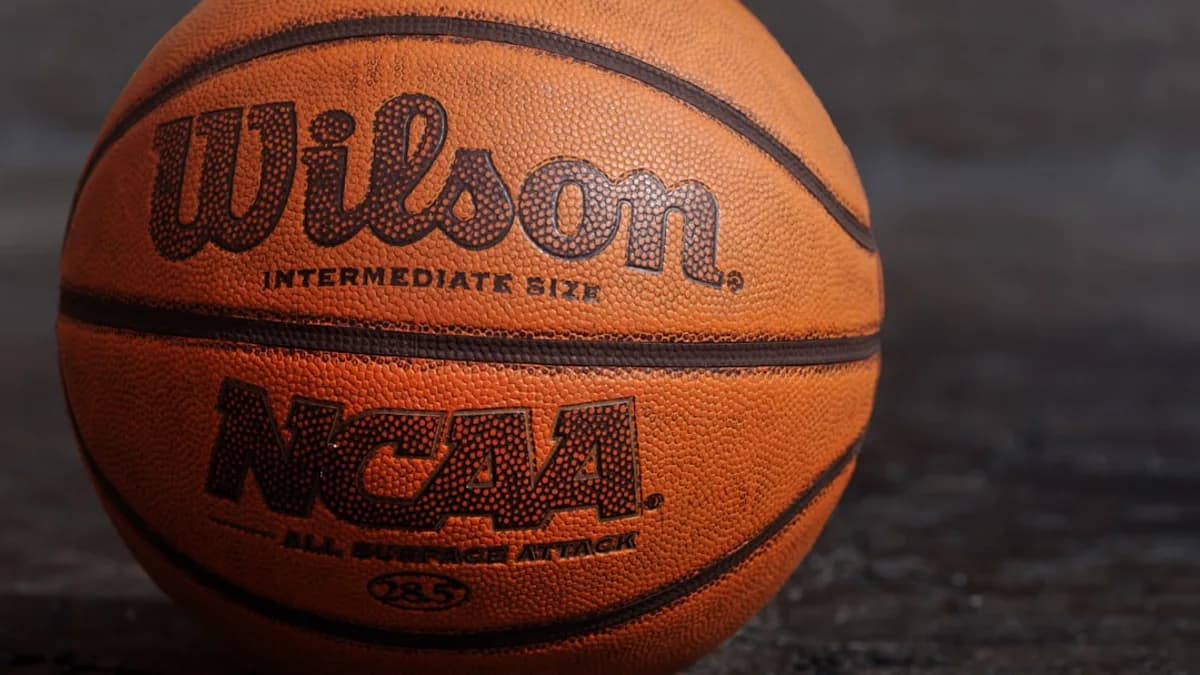
Colbert’s Late-Night Exit and NCAA Expansion: Why These Shifts Are Dominating the News Cycle
Stephen Colbert’s imminent departure from CBS’s The Late Show, capped by a high-profile reunion with David Letterman and the “Strike Force Five,” has generated a spike in late-night TV search traffic not seen since the 2015 Letterman-to-Colbert handoff. Simultaneously, the NCAA’s announcement that March Madness will balloon to 76 teams next season — driven by expanded beer sponsorships and ad revenue — sent “NCAA bracket expansion” queries up over 300% on Google Trends in the last 48 hours. These twin media and sports disruptions are fueling intense cross-industry debate: can legacy formats adapt without alienating core audiences?
The Colbert story isn’t just nostalgia; it’s a referendum on the future of late-night as linear TV contracts and streaming deals come up for renewal. The NCAA’s tournament expansion, meanwhile, exposes deep financial pressures as college sports chase new revenue streams amid realignment chaos and declining cable subs. Both stories are flashing indicators of how legacy American entertainment — from network comedy to college basketball — is entering a volatile, ad-driven transition period.
On social media, #ColbertFarewell trended No. 2 in the U.S. on X (formerly Twitter), with over 120,000 mentions in 24 hours, while “March Madness 76” memes dominated Reddit’s r/CollegeBasketball. The convergence of these headlines signals a wider reckoning: tradition is being forced to yield to commercial imperatives faster than expected.
Underneath the Headlines: Revenue Pressures, Streaming Fears, and Audience Fragmentation
Late-night TV’s ratings collapse has accelerated since 2020. The Late Show with Stephen Colbert averaged 2.2 million viewers in 2023, down 36% from its 2016 debut and trailing behind its own pandemic-era highs according to The Hollywood Reporter. The genre as a whole lost nearly half its 18-49 audience over the last five years. Advertisers have shifted budgets to digital, with network late-night ad revenues dipping below $250 million in 2023 — a 40% drop from pre-pandemic levels.
Colbert’s exit and the “Strike Force Five” (Colbert, Kimmel, Fallon, Meyers, Oliver) reunion are less about legacy and more about negotiating leverage. As streaming platforms like Netflix and YouTube siphon late-night’s younger viewers, CBS and its rivals are using these high-profile sendoffs to renegotiate affiliate fees and attract digital-first advertisers. Letterman’s return signals an attempt to recapture lapsed viewers — but the strategy is defensive, not offensive.
The NCAA’s Ad-Driven Expansion
The NCAA’s decision to expand both men’s and women’s basketball tournaments from 68 to 76 teams is a direct response to declining cable carriage revenue and the need to unlock new inventory for sponsors. March Madness ad sales hit $1.35 billion in 2023, up 8% year-over-year, but viewership plateaued, and the women’s tournament began to outpace the men’s in growth rate for the first time according to ESPN.
The 76-team format creates 12–15 additional games, translating to roughly $120 million in incremental ad inventory per year, largely bankrolled by Anheuser-Busch, Coca-Cola, and new sports betting sponsors. Critics, including former coaches and media analysts, warn that expansion dilutes the tournament’s drama and risks “bracket fatigue” — an effect previously seen in the 2011 play-in expansion, which triggered a seven-point drop in first-round TV ratings among core fans.
Historical Echoes and New Fault Lines
Both late-night and college hoops have weathered inflection points before: Letterman’s 2015 exit marked the last time network late-night dominated cultural conversation, while the 1985 NCAA expansion to 64 teams drove a 40% jump in TV rights fees. This time, the risks of over-extension are sharper. Each sector faces an existential choice: chase new money, or risk irrelevance in a streaming-first, ad-saturated market.
Who’s Steering These Disruptions — and What Do They Gain?
CBS and the “Strike Force Five”: A Defensive Playbook
CBS, owned by Paramount Global, is betting Colbert’s finale and the parade of guest hosts (Letterman, Kimmel, Fallon, Oliver, Meyers) will delay audience erosion and boost rerun ratings — a crucial metric as the network negotiates its 2025 affiliate contract renewals. The “Strike Force Five” podcast, originally a writers’ strike solidarity project, is now a cross-network marketing tool, syndicating content across CBS, NBC, and streaming platforms to maximize sponsorship deals.
David Letterman’s return is both symbolic and strategic: he remains CBS’s highest-rated late-night host of the last 30 years, and his presence is a last-ditch effort to shore up older viewers who are drifting to streaming or tuning out entirely. For the hosts themselves, these appearances function as brand maintenance: Kimmel and Fallon are already in talks for expanded production deals with Hulu and Peacock, hedging against declining network hours according to Variety.
NCAA, Corporate Sponsors, and the College Sports Machine
The NCAA’s expansion was greenlit by its Board of Governors, but the real power brokers are the ad buyers at InBev (Anheuser-Busch), FanDuel, and Coca-Cola. These sponsors lobbied for more games, more “first round” inventory, and bespoke digital ad packages, with the NCAA’s media rights partners (Warner Bros. Discovery, Paramount, CBS Sports) extracting higher CPMs from advertisers hungry for live sports.
For athletic conferences, the expanded bracket is a lifeline — especially as the Pac-12 dissolves and schools scramble for at-large bids. Smaller conferences, previously capped at one or two bids, now have a financial incentive to push their teams into the field, chasing the NCAA’s per-win revenue distribution (currently $2 million per win spread over six years). The power conferences (Big Ten, SEC) see the expansion as a way to lock up more TV windows and justify their escalating media rights fees, which now top $1 billion per year per conference.
The Audience as the Ultimate Arbitrator
Early polling by YouGov found that 61% of self-identified “hardcore” NCAA fans oppose the 76-team field, compared to just 38% of casual viewers who favor “more games and more bets.” In late-night, Colbert’s exit is drawing nostalgia but not a ratings bump: Variety’s real-time Nielsen data shows only a 7% increase in week-over-week Late Show viewership since the announcement, with the biggest spikes coming from the 55+ demographic.
Market Consequences: Value Erosion, Streaming Wars, and Ad Inflation
Late-Night’s Shrinking Pie
The late-night TV market, once a reliable profit center, is now operating on the margins. Paramount Global’s stock price is down 28% YTD, in part due to weak linear ad sales and uncertainty over the future of The Late Show. CBS’s late-night franchise generated $85 million in ad revenue in 2023, half its 2017 total. The pivot to high-profile sendoffs and “eventized” programming is a short-term fix, not a growth strategy.
Streaming platforms are circling: Netflix’s “My Next Guest Needs No Introduction” (Letterman’s talk show) averages 2.5 million viewers per episode, outdrawing The Late Show among under-40s. YouTube clips of Colbert’s monologues routinely top 3 million views, but those digital dollars pale compared to lost linear ad revenue. NBC is quietly shopping a new digital-first late-night format, and ABC is testing shorter, TikTok-native segments with Kimmel.
March Madness Expansion — More Money, Less Magic?
The NCAA’s expanded tournament will bring in an estimated $120–140 million in new ad sales, but at a cost. The average value of a “unit” (the NCAA’s per-game payout to conferences) may drop 10–15% as the pool is diluted, according to projections from Navigate Research. Meanwhile, ESPN+ and Max (Warner Bros. Discovery’s streamer) are preparing to offer new “March Madness+” packages, bundling early-round games with sports betting integrations and real-time stats overlays according to AP News.
For sponsors, the expanded bracket is a double-edged sword: more games equal more exposure, but the risk of audience drop-off increases. The 2011 expansion saw a 12% increase in ad impressions, but engagement rates fell, and “bracket fatigue” became a trending complaint on social media. The women’s tournament, meanwhile, stands to gain the most — 2024’s championship drew 18.7 million viewers, a 60% jump from 2023, and the expanded field could push ad sales over $300 million for the first time.
Historic Patterns: Overreach and Correction
Both late-night and college sports have seen cycles of over-expansion followed by contraction. The 1990s saw network TV over-invest in new talk shows, leading to a glut that ended with mass cancellations by 2000. In sports, the 2001 NCAA “play-in” game was supposed to fix bracket inequity but led to years of confusion and tepid ratings. Early warning signs suggest that both sectors are repeating old mistakes — chasing short-term revenue at the risk of long-term audience erosion.
The Next Year: Expect More Collisions, Not Resolutions
Late-Night TV: Fragmentation and the Streaming Pivot
By summer 2025, expect at least one major network late-night show (likely NBC’s Tonight Show or ABC’s Kimmel) to announce a digital-first relaunch, with shorter segments, cross-platform distribution, and new sponsorship models tied to real-time engagement metrics. CBS will experiment with rotating guest hosts and “special events” to keep the Late Show slot relevant, but the era of the singular, nightly host is fading. The most likely scenario is a hybrid model, with network TV serving as a loss leader for digital extensions — emulating the WWE’s pivot to Peacock and YouTube.
The “Strike Force Five” hosts will use Colbert’s exit as a springboard to negotiate richer streaming deals, with Kimmel and Fallon leading the charge. Expect more cross-network collaborations, branded podcasts, and eventized specials, as the old broadcast silos break down in pursuit of digital relevance. CBS’s late-night ad revenue will drop below $70 million in 2025, and the network will lean heavily on nostalgia and “event TV” to slow the bleeding according to Deadline.
March Madness: Expansion Hangover, Betting Boom
The 2025 NCAA tournament will see a 7–9% increase in total ad sales, but per-game ratings for early rounds will stagnate or fall, as fans tune out “play-in” matchups with little at stake. The women’s tournament will continue to outpace the men’s in growth, both in viewership and ad revenue, as new digital packages draw younger, more diverse audiences. Sports betting integrations will become standard, with FanDuel and DraftKings rolling out in-app bracket contests and live odds overlays.
By March 2026, the NCAA may face pressure to retract or reformat the expanded field if “bracket fatigue” and declining engagement become persistent. Conferences will push for tweaks to the revenue distribution formula to offset dilution, and at least one major sponsor will threaten to reduce spend if ROI targets aren’t met.
The Bottom Line
Both Colbert’s late-night exit and March Madness’s expansion are early signals of how legacy entertainment and sports are being reshaped — not by creative vision, but by relentless commercial and technological pressure. The next 12 months will bring more experiments, more cross-platform deals, and more audience churn. The winners will be those who can monetize nostalgia without getting trapped by it — and those who can expand inventory without destroying value. Expect volatility, not clarity, as the old guard scrambles to write a playbook for the streaming era.