Updated (June 2026): This article has been refreshed to clarify that Apple has not publicly confirmed the Apple Watch Ultra 4 or its rumored upgrades. With WWDC now past and no official Ultra 4 hardware announcement, the next likely window for confirmation is Apple’s fall product event.
Why Apple Watch Ultra 4’s Upgrades Could Redefine Premium Smartwatches
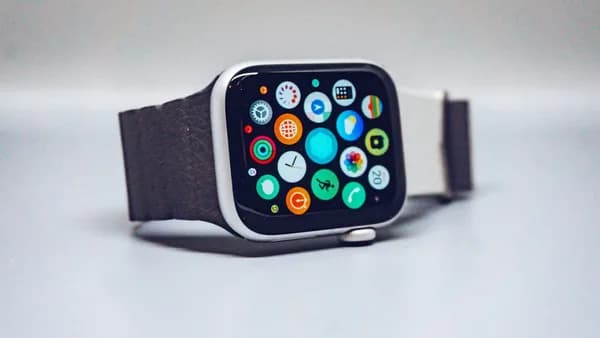
Apple is widely expected to refresh its top-end smartwatch line this fall, and the Apple Watch Ultra 4 is already generating buzz because of reports pointing to two major upgrades. The original claim, highlighted by 9to5Mac and attributed to supply-chain reporting from DigiTimes, suggests Apple is preparing more than a routine annual update for its most advanced wearable.
It is important to separate reporting from confirmation: Apple has not announced the Apple Watch Ultra 4, confirmed its feature set, or described any upgrades as “major.” Still, the Ultra line has become Apple’s showcase for premium smartwatch hardware, so even credible supply-chain chatter tends to carry weight.
These rumored upgrades matter because the Ultra sits above the standard Apple Watch Series lineup in materials, battery life, durability, and outdoor-focused capabilities. If Apple delivers two meaningful improvements at once, it could widen the gap between the Ultra and Apple’s mainstream watches while raising pressure on premium competitors from Garmin, Samsung, and Google’s Fitbit ecosystem.
For consumers, the stakes are practical: better battery performance, more accurate health tracking, improved connectivity, new safety tools, or stronger durability could all affect whether current Apple Watch owners choose to upgrade. For Apple, the Ultra 4 would be a chance to reinforce its leadership in wearables at a time when many smartwatch updates feel incremental.
Breaking Down the Two Major Upgrades in Apple Watch Ultra 4
The biggest limitation remains the same: the reports do not clearly identify the two upgrades. Neither 9to5Mac’s coverage nor the referenced DigiTimes reporting has publicly established exactly what Apple plans to add.
That means several popular theories should be treated carefully. Rumors around new health sensors, Touch ID, satellite-style connectivity, a display redesign, or non-invasive blood glucose monitoring are not confirmed by Apple. Some of those ideas have circulated for years, but there is no source-backed evidence that they are the specific upgrades coming to Apple Watch Ultra 4.
MLXIO analysis: Based on the Ultra line’s history, the most plausible areas for improvement are battery life, display technology, connectivity, durability, health and fitness sensors, and performance efficiency. Apple typically uses the Ultra model to push hardware advantages that are less constrained by price or size than the standard Series watch.
The key question is whether the two upgrades are user-facing or technical. A brighter, more power-efficient display or longer battery life would be immediately understandable to buyers. A new chip, antenna redesign, or sensor architecture could be significant but harder to market unless it unlocks visible benefits.
What is clear is that Apple appears to be preparing a premium-positioned update rather than a simple cosmetic refresh. Until Apple confirms the device, however, the phrase “two major upgrades” should be read as a report—not a guarantee.
Quantifying Apple Watch Ultra 4’s Potential Market Impact with Latest Features
There is still no reliable way to quantify the Apple Watch Ultra 4’s sales impact. Apple does not break out unit sales for individual Apple Watch models, and the company reports wearables as part of a broader segment that includes Apple Watch, AirPods, and related accessories.
That makes any precise market-share forecast speculative. What can be said with confidence is that the Ultra line functions as a halo product. It may not be the highest-volume Apple Watch, but it helps define the top end of Apple’s wearable strategy and gives premium buyers a reason to stay inside the Apple ecosystem.
MLXIO inference: If the Apple Watch Ultra 4’s upgrades are meaningful and easy to understand, the device could drive three kinds of demand: upgrades from existing Ultra owners, trade-ups from standard Apple Watch Series users, and conversions from fitness-focused consumers considering Garmin or other advanced sports watches.
The market impact will depend heavily on the nature of the upgrades. A health feature with regulatory clearance, a major battery improvement, or a new connectivity capability would likely matter more than a modest processor gain. Conversely, if the upgrades are mostly internal or niche, the Ultra 4 may still sell well but may not reset expectations for the category.
Diverse Stakeholder Perspectives on Apple Watch Ultra 4’s New Capabilities
Reaction across Apple and wearable communities remains divided. Some users are optimistic that the Apple Watch Ultra 4 could represent the first genuinely substantial Ultra refresh in years, especially if it improves battery life, outdoor tracking, or health monitoring. Others are skeptical because Apple Watch updates often arrive as refinements rather than dramatic redesigns.
Fitness enthusiasts tend to focus on practical performance: GPS accuracy, battery life during long activities, durability, recovery metrics, and compatibility with training platforms. For this group, “major” only matters if it improves real-world use.
Health-focused users are watching for validated medical or wellness features, but expectations should stay grounded. Non-invasive blood glucose monitoring, for example, remains one of the most anticipated wearable technologies in the industry, but there is no credible confirmation that it will appear in Apple Watch Ultra 4.
Developers and enterprise users may care more about watchOS improvements, device security, app performance, and sensor access. Meanwhile, investors and analysts will be looking at whether Apple can use the Ultra 4 to strengthen the wearables segment during a crowded hardware cycle.
The common thread is that Apple needs the upgrades to be tangible. A premium watch commands a premium price, and Ultra buyers are more likely than casual users to scrutinize whether new features justify an upgrade.
Tracing Apple Watch Evolution: How Ultra 4’s Features Build on Past Innovations
The Apple Watch Ultra line was created to push beyond the standard Apple Watch formula. Its defining features have included a larger and more rugged case, titanium construction, extended battery life, a brighter display, enhanced GPS capabilities, a customizable Action button, and stronger positioning for endurance sports, diving, hiking, and outdoor use.
That strategy has helped Apple compete in categories where Garmin and other specialist brands traditionally had stronger appeal. The Ultra is not just a larger Apple Watch—it is Apple’s attempt to make a smartwatch credible for users who care about durability, safety, navigation, and long-duration activity tracking.
Previous Ultra updates have generally built on that foundation rather than reinventing it. That is why the report of two major upgrades stands out. If Apple delivers a pair of meaningful improvements, the Ultra 4 could become the clearest step forward for the line since its introduction.
Still, Apple’s recent wearable strategy suggests caution. The company often pairs hardware changes with software enhancements, and some of the most useful improvements arrive through watchOS rather than a single device. The Ultra 4 may therefore be best understood as part of a broader Apple Watch ecosystem update, not just a standalone hardware release.
What Apple Watch Ultra 4’s Upgrades Mean for Consumers and the Wearable Industry
For consumers considering a new Apple Watch, the most practical advice is to wait if they are specifically interested in the Ultra line and do not need a device immediately. With the fall product cycle approaching and rumors pointing to a more notable refresh, buying the current Ultra model right before a potential successor may not make sense for premium shoppers.
For current Ultra owners, the upgrade decision will depend on specifics. A modest design tweak or small performance gain may not justify replacing a recent model. But meaningful gains in battery life, health sensing, connectivity, or outdoor safety could make the Ultra 4 much more compelling.
For the wearable industry, Apple’s move matters because the company sets expectations across the smartwatch market. If Apple raises the bar for premium smartwatch features, rivals may need to respond with better battery performance, more advanced training metrics, stronger health tools, or deeper phone integration.
MLXIO analysis: The definition of “major” is the entire story. If the upgrades solve everyday problems—charging frequency, outdoor reliability, health insight, safety, or performance—they could reshape buyer expectations. If they are mainly technical improvements with limited user-visible impact, the buzz may fade quickly after launch.
Forecasting the Future: How Apple Watch Ultra 4 Sets the Stage for Next-Gen Wearables
The next major checkpoint is Apple’s fall hardware event, historically the most likely venue for new Apple Watch models. WWDC has now passed without Apple publicly confirming the Apple Watch Ultra 4 hardware, so attention shifts to supply-chain leaks, watchOS beta clues, regulatory filings, and Apple’s usual September product cycle.
If Apple introduces two genuinely new user-facing capabilities, the Ultra 4 could become a benchmark for next-generation premium smartwatches. Features tied to battery life, health, safety, satellite or emergency communication, display efficiency, or advanced fitness tracking would all fit the Ultra brand and strengthen its premium position.
If the upgrades are less dramatic, Apple may still benefit from loyal demand, but it risks criticism from users expecting a bigger leap. The Ultra audience is more technical and more performance-driven than the average smartwatch buyer, which means vague improvements may not be enough.
Bottom line: the Apple Watch Ultra 4 remains one of the most closely watched wearable rumors of 2026. The reporting points to two significant upgrades, but Apple has not confirmed the device or its features. Until it does, the real impact depends on whether “major” translates into benefits users can immediately see and feel.
Why It Matters
- Apple is reportedly preparing two significant upgrades for the Apple Watch Ultra 4, though the company has not confirmed them.
- The Ultra line remains Apple’s premium smartwatch showcase, making any major refresh important for the wider wearables market.
- With WWDC now behind us, the fall Apple event is the key window to watch for official Apple Watch Ultra 4 details.
- The device’s impact will depend on whether the upgrades are practical, visible, and compelling enough to justify a premium purchase.