Introduction: Recognizing the True Impact of AirPods Under Tim Cook’s Leadership
AirPods changed how millions of people listen to music, take calls, and talk to Siri. That’s a big deal, but most people don’t think of AirPods as one of Apple’s greatest hits. When folks talk about Tim Cook, they mention iPhones, Apple Silicon chips, and even the Apple Vision Pro before they mention AirPods. But the AirPods should get more credit. They quietly shaped Apple’s future and made wireless audio normal for everyone. As The Verge notes, even in Apple’s own Top 50 products, AirPods don’t crack the top ten [Source: The Verge]. That’s surprising, given how much they changed the way we use gadgets every day. Let’s look at why AirPods are Tim Cook’s most underrated achievement—and why they deserve more respect.
The Evolution of Wireless Audio: How AirPods Revolutionized the Market
Before AirPods, buying earbuds meant dealing with tangled wires and awkward connections. Most people used wired headphones with their phones or iPods. Apple’s ads showed those white cords as a cool style, but the wires were still annoying.
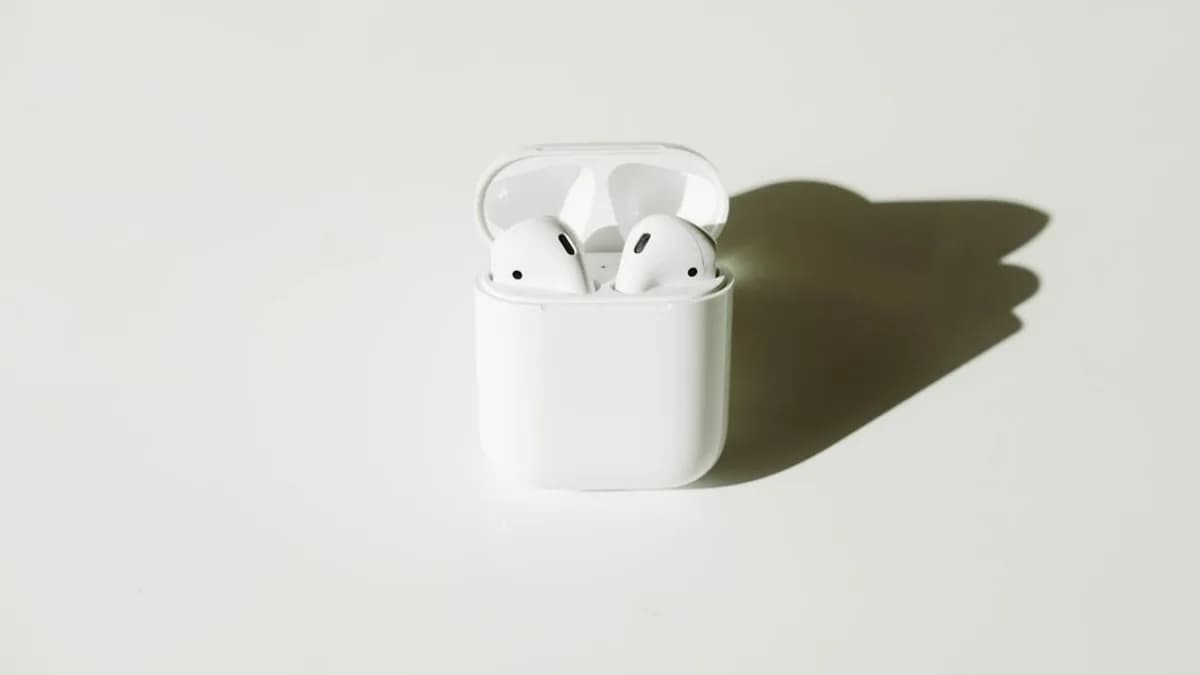
When AirPods came out in 2016, they did something simple but big: they cut the cord. No more wires. Just two tiny earbuds that popped into your ears and connected to your phone with one tap. Apple designed AirPods to look clean and to fit in the ear without fuss. At first, people joked they looked like electric toothbrush heads. But soon, you saw AirPods everywhere—from city streets to classrooms to airports.
Apple’s marketing helped. The company made AirPods look fun and easy, showing happy people dancing and moving freely. But the real win was the technology inside. The AirPods used Apple’s custom chip, the W1, to connect quickly and stay stable. Battery life was good for the size. The charging case was clever—it kept the buds safe and powered up. Other companies rushed to copy the true wireless style, but Apple set the standard.
AirPods didn’t just end the wire. They made wireless audio work for everyone. Before AirPods, wireless earbuds were rare and expensive. After AirPods, almost every big tech company tried to make their own true wireless buds. Today, the idea of plugging in headphones feels old. That shift started with AirPods.
AirPods as Apple’s Most Important Accessory: Beyond Just Audio
AirPods aren’t just headphones—they’re a key part of how Apple’s devices work together. If you have an iPhone, iPad, or Mac, AirPods connect with almost no effort. You can switch between devices in seconds. That’s called “seamless switching,” and it’s one of Apple’s smartest tricks.
Then there’s spatial audio. AirPods Pro and AirPods Max can make music and movies sound like they’re coming from all around you. It feels like being inside the sound. Apple also added noise cancellation, which blocks out loud noises so you can focus.
Siri integration lets you ask questions or set reminders hands-free. For many people, AirPods are the main way they use Siri. That means AirPods are not just about music—they help with smart features, too.
AirPods drive big sales. Apple doesn’t break out AirPods numbers, but experts guess Apple sells tens of millions of pairs each year. That’s billions of dollars. AirPods sales help Apple’s “Wearables, Home, and Accessories” category, which has grown faster than iPhone sales some quarters.
But there’s more. AirPods boost Apple’s brand loyalty. If you use AirPods, you’re more likely to stick with Apple devices. The buds make the whole system feel smooth and special. That’s good for Apple, and it’s smart business.
Why AirPods Remain Underrated Despite Their Success
AirPods changed the market, but they don’t get the same praise as the iPhone or Mac. Why? Big products like iPhones grab headlines and shape the whole tech industry. Apple Silicon chips made Macs faster and impressed experts. Even the Apple Vision Pro, which is still new and has mixed reviews, gets more attention.
AirPods are seen as an “accessory,” not a main device. People often treat them as a sidekick to the iPhone. But that misses the big picture. AirPods made wireless audio normal, and they brought new features to how we use devices.
The Verge’s Apple Top 50 list shows this problem. The original AirPods didn’t even make the top ten [Source: The Verge]. That’s strange, given how many people use them every day. Maybe it’s because they’re small and simple. But sometimes, the best inventions are the ones that quietly change daily life.
Broader Implications: What AirPods’ Success Means for Apple’s Future Innovation
AirPods set the pace for Apple’s wearables and accessories. Before AirPods, Apple Watch was the only real hit outside phones and computers. With AirPods, Apple showed it can turn a small device into a giant business.
Other companies followed. Samsung, Sony, Google, and even Bose made true wireless earbuds after AirPods. Apple’s lead pushed the whole market to speed up. Now, wireless earbuds are everywhere—on the subway, in gyms, at school.
AirPods taught Apple lessons about making accessories work well with its main devices. That matters for new products like the Apple Vision Pro. If Apple can make the Vision Pro as easy to use as AirPods—quick setup, smooth connections—it could win over more people. AirPods also showed that design matters. People want products that look good, feel good, and do one thing really well.
The AirPods story hints at Apple’s future. Accessories are now a big part of Apple’s business. Smart glasses, new health wearables, and mixed reality devices could follow AirPods’ path. The secret: make them simple, make them work together, and make them feel special.
Conclusion: Reassessing Tim Cook’s Legacy Through the Lens of AirPods’ Impact
Tim Cook’s years as Apple CEO brought big breakthroughs—iPhones got better, Macs got faster, and new devices appeared. But AirPods deserve more credit. They quietly changed how we listen, talk, and connect. AirPods made wireless audio normal and pushed Apple’s brand even further.
They also shaped Apple’s accessory business, brought in billions, and taught the company how to make small devices that matter. AirPods didn’t just help Apple— they helped shape the whole tech industry.
When we look at Cook’s legacy, it’s time to see AirPods as more than just an accessory. They’re a symbol of what Apple does best: simple ideas that change how we live. As Apple keeps making new products, the AirPods story shows the power of thinking small—and making it big.
Why It Matters
- AirPods transformed everyday audio use, making wireless earbuds mainstream and influencing industry design standards.
- They represent a significant but often overlooked part of Tim Cook’s impact on Apple and consumer technology.
- Understanding the AirPods’ influence helps explain how Apple continues to shape new markets beyond the iPhone.