Introduction: Rising Wildfire Smoke and Emerging Cancer Risks
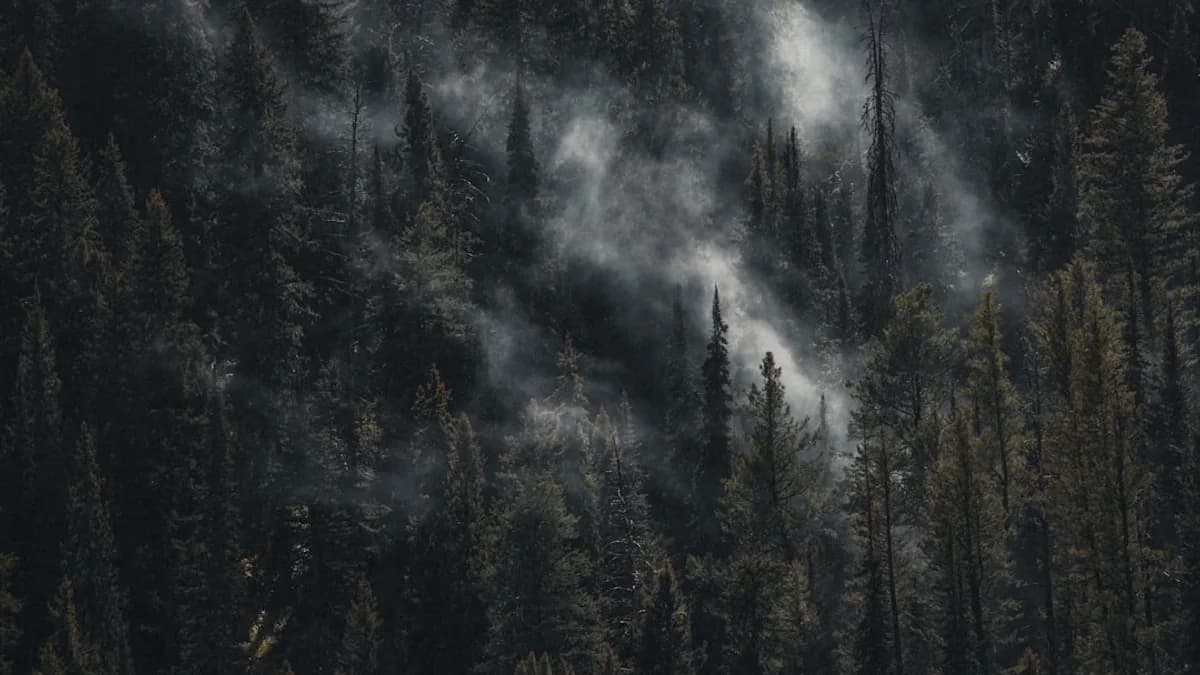
Wildfires are getting bigger and more common. Scientists now warn that smoke from these fires might raise the risk of several cancers. That’s because wildfires produce thick clouds full of dangerous chemicals. People are breathing in more smoke, sometimes for days or even weeks. Around the world, wildfires are breaking records in places like California, Canada, Australia, and southern Europe. The smoke doesn’t just stay near the flames—it travels hundreds of miles, reaching cities and towns far away.
Doctors and researchers are paying closer attention to what wildfire smoke does to our bodies. For a long time, most worries were about asthma attacks or breathing problems. Now, new studies and expert opinions point to deeper dangers, including cancer. This article brings together what scientists, health experts, and news outlets have discovered about wildfire smoke and cancer risk [Source: Google News]. It also shows what you can do to protect yourself and what needs to change to keep people safe.
Scientific Evidence Linking Wildfire Smoke to Cancer Development
Wildfire smoke is not just dust and ash. It’s a mix of tiny particles and chemicals that are known to cause cancer. When trees, plants, and buildings burn, they release toxins like polycyclic aromatic hydrocarbons (PAHs), benzene, formaldehyde, and heavy metals. These chemicals can get deep into the lungs and stay there. Studies show that breathing in wildfire smoke may increase the risk of lung cancer, throat cancer, and maybe even cancers in other parts of the body [Source: Google News].
Research from places hit hard by wildfires, such as California and Australia, found that people exposed to smoke had more DNA changes that are linked to cancer. One study published in Environmental Health looked at firefighters and people living near wildfires. It found that their bodies showed signs of stress and damage that could lead to cancer later in life. Another report from the World Health Organization lists wildfire smoke as a major source of air pollution, putting it in the same category as car exhaust and cigarette smoke.
Wildfire smoke contains PM2.5, which means particles smaller than 2.5 microns. These particles are so tiny they slip past the nose’s natural defenses and lodge deep in the lungs. The International Agency for Research on Cancer (IARC) says PM2.5 is linked to several types of cancer. When you breathe these particles, your body has a hard time clearing them out. Over time, they cause inflammation and make cells mutate.
Doctors have seen more cases of lung and throat cancers in people who spend lots of time in smoky areas. While more research is needed to prove the link, the evidence is building. For example, cancer rates among wildland firefighters are higher than in the general population. The risk doesn’t end when the fire goes out. Smoke can hang in the air for days, and the chemicals stick to clothes, furniture, and even pets.
Health Impacts Beyond Cancer: What Wildfire Smoke Does to the Lungs
Wildfire smoke does more than raise cancer risk—it can seriously harm the lungs. Doctors recently found “black gunk” in the lungs of people exposed to heavy smoke. This gunk is made of sticky particles and tar-like chemicals that come from burning wood and plastics [Source: Google News]. In one case reported by Gizmodo, a man had trouble breathing for weeks after wildfires swept through his area. Tests showed his lungs were coated in black residue.
Breathing wildfire smoke can trigger asthma attacks, bronchitis, and even heart problems. Children, older adults, and people with lung diseases are most at risk. When the lungs get inflamed, the body has to work harder just to get enough oxygen. Over time, this stress can weaken the heart and make it harder to fight off infections.
Experts say that the damage from wildfire smoke is “cumulative.” This means that each time you breathe in smoky air, your lungs take a hit, and the effects add up. If you live in a place where wildfires happen every year, the risk gets worse. The chemicals in smoke can scar lung tissue and block airways. Some doctors compare it to the long-term harm caused by smoking cigarettes.
Wildfire smoke also affects the blood vessels. It makes them stiff, which raises the chance of heart attacks and strokes. People who already have heart disease need to be extra careful during fire season. Even short exposure—just a few hours—can cause chest pain and trouble breathing.
Challenges in Public Health Response: Mask Usage and Wildfire Smoke Protection
Health agencies tell people to wear masks and stay indoors when wildfire smoke is thick. But not everyone listens. Anti-mask sentiment and misinformation make it harder to protect communities [Source: Google News]. Some people think masks aren’t needed or don’t work. Others worry about discomfort or don’t understand which masks to use.
The best masks for wildfire smoke are N95 respirators. These block the tiny particles that cause health problems. Cloth masks and surgical masks don’t offer much protection against PM2.5. Still, many people use the wrong kind of mask or don’t wear one at all. Public health experts say clear instructions and easy access to proper masks can help.
Vulnerable groups—like young kids, seniors, and those with lung problems—need extra care. Schools and care homes sometimes lack resources to keep the air clean. Air purifiers and sealed windows help, but they cost money. Cities with frequent wildfires should have plans to give out masks and set up “clean air” shelters. Some places like San Francisco have started doing this, but many areas lag behind.
Social media sometimes spreads false claims about masks or air purifiers. This makes it tough for health officials to get the right message out. Community leaders and doctors can help by sharing facts and showing how simple steps—like wearing an N95 mask—save lives. In the end, fighting anti-mask sentiment is about trust and education, not just rules.
Preventive Measures and Policy Recommendations to Mitigate Cancer Risks
To lower cancer risk from wildfire smoke, experts suggest several steps. First, use N95 masks during smoky days. These block harmful particles and are easy to find in most drugstores. Second, improve indoor air quality with HEPA filters and keep windows closed when smoke is thick. Even simple steps, like sealing door cracks with towels, can help.
Government agencies should issue fast, clear warnings when wildfire smoke is spreading. Local health departments can set up “clean air” shelters for people who don’t have good air at home. Schools and workplaces need plans to protect students and workers, like giving out masks or installing air purifiers.
More research funding is needed to study the long-term health effects of wildfire smoke. Right now, most studies focus on short-term breathing problems. Scientists want to know more about cancer risks and how to help people who live in smoky places year after year.
Policy makers should push for laws that require better air quality monitoring and faster emergency alerts. Some experts call for stricter rules on building materials to cut down on toxic smoke from burning homes and businesses. Others suggest funding wildfire prevention, like clearing dead trees and brush.
Wildfires aren’t going away. Climate change means hotter, drier summers, which leads to more fires. Governments, health agencies, and communities need to work together to keep people safe from smoke and reduce future risks.
Conclusion: Addressing the Growing Health Threat of Wildfire Smoke Exposure
Wildfire smoke is now a major health threat, not just for breathing but for cancer risk too. The evidence linking smoke to cancer is getting stronger, and the dangers go far beyond short-term coughing or asthma. People in fire-prone areas need to pay attention, use masks, and improve indoor air quality.
Public awareness is key. Health officials must fight misinformation and make sure everyone knows how to stay safe when smoke is in the air. At the same time, governments should invest in research and prevention.
As wildfires keep getting worse, balancing fire management with health protection is urgent. New policies and simple steps—like proper masks and clean shelters—can help people avoid the worst risks. If we act now, we can limit the harm and protect future generations from the hidden dangers of wildfire smoke [Source: Google News].
Why It Matters
- Wildfire smoke contains carcinogenic chemicals that can increase cancer risk for exposed populations.
- The frequency and intensity of wildfires are rising globally, expanding the number of people at risk.
- Understanding these health risks can help guide protective measures and public policy for affected communities.