
Introduction to the Lyrid Meteor Shower 2026: What to Expect
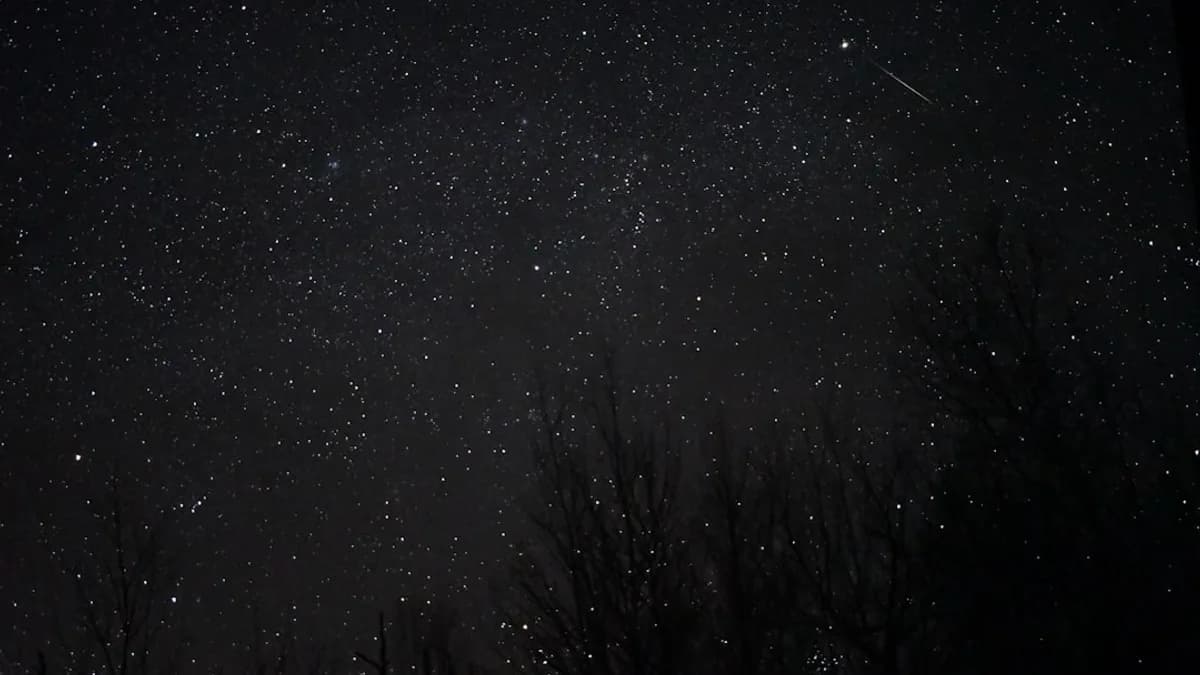
The Lyrid meteor shower will peak on April 22 and 23, 2026. This yearly event lights up the spring sky with bright streaks of light. The Lyrids are one of the oldest known meteor showers. People have watched them for over 2,500 years. Each April, the Lyrids offer a chance to see dozens of meteors zip across the sky. Some meteors leave glowing trails that stay visible for a few seconds. The Lyrid shower is special because it comes after months with few meteor showers. It signals the start of spring for skywatchers [Source: Google News]. If you want to see a natural light show, mark your calendar for the Lyrid peak nights.
When and Where to Watch the Lyrid Meteor Shower in 2026
The Lyrids reach their peak late at night on April 22 and early morning on April 23, 2026. For the best view, go outside between midnight and dawn. The meteors will be easiest to spot after the moon sets, when the sky is darkest [Source: Google News]. This year, the moon will be in a waning phase, so its light should not block many meteors.
Look up toward the northeast sky. The meteors seem to come from the constellation Lyra, but you can spot them anywhere overhead. You do not need a telescope or binoculars. Just use your eyes. The Lyrids can be seen from most places around the world, but rural locations with little light pollution work best. Cities make it hard to see faint meteors because of street lights and buildings. If clouds cover the sky, you will see fewer meteors. Check the weather forecast before you head out. If the sky is clear and dark, you might spot 10 to 20 meteors per hour.
How to Prepare for the Best Viewing Experience
Choose a spot far from city lights. Parks, fields, and countryside roads are good options. Make sure you have a wide, open view of the sky. Tall trees and buildings block your sight. Bring a reclining chair so you can look up comfortably for a long time. Pack a blanket and wear warm clothes, since nights in April can be chilly. If you live near others, invite friends or family to join you. Watching together can be more fun.
Leave your phone or flashlight off for at least 20 minutes. This gives your eyes time to adjust to the dark. The longer you wait, the more meteors you will see. Bring snacks and water so you stay comfortable. If you plan to stay out for hours, consider extra layers or a thermos of hot drinks. Remember, patience pays off. Sometimes meteors come in bursts, and other times you may wait several minutes to see one.
Step-by-Step Guide to Watching the Lyrid Meteor Shower
Plan your night around the Lyrid peak. Arrive at your viewing spot before midnight. Set up your chair and get cozy. Face northeast, but keep your eyes moving around the sky—meteors can appear anywhere overhead. The radiant point is in the constellation Lyra, near the bright star Vega. If you find Vega, you are looking in the right direction.
Start counting meteors as they streak by. Make a simple tally on paper or with a voice recorder. Some people like to compete with friends to see who spots the most. Notice if any meteors leave glowing trails, called trains. These are rare and exciting. If you see a bright, fast meteor, shout it out so others can look up. Take breaks to stretch or enjoy the quiet. Remember, the Lyrids are famous for sudden bursts of activity, so keep watching even if things seem slow at first [Source: Google News].
Understanding the Science Behind the Lyrid Meteor Shower
The Lyrid meteors come from bits of debris left by Comet Thatcher. As Earth moves through this debris, tiny particles hit our atmosphere at high speeds—about 30 miles per second. The friction makes them burn up, creating bright streaks. The Lyrids show up each April because that’s when Earth’s orbit crosses the comet’s trail [Source: Google News]. The number of meteors can change each year. Sometimes, the shower surges and delivers 100 meteors per hour, but usually people see about 10 to 20. The Lyrid shower is one of the oldest recorded, with reports from ancient China and Greece.
Tips for Photographing the Lyrid Meteor Shower
To get good photos, use a camera with manual settings. Set the ISO high (around 1600-3200) and use a wide lens. Keep the shutter open for 15 to 30 seconds to capture meteor trails. Use a tripod so your camera stays steady. A remote shutter or timer helps avoid blur from shaking hands. Point your camera toward the radiant, but keep some landscape in the frame for context.
Take test shots and adjust settings as needed. Check your focus and make sure stars are sharp. Bring extra batteries since long exposures drain power quickly. If you catch a bright meteor, you might also record its glowing trail. Share your best shots online with friends or skywatchers. Remember, patience and practice help you get good results.
Conclusion: Making the Most of the Lyrid Meteor Shower 2026
Peak times for the Lyrid meteor shower are late April 22 and early April 23, 2026. Find a dark spot, dress warmly, and give your eyes time to adjust. Watch the sky patiently and try to count or photograph meteors. The Lyrids are a chance to enjoy nature’s show and connect with others. Share your photos and stories on social media so others can join in. With clear skies, you could see a springtime spectacle you’ll remember for years [Source: Google News].
Why It Matters
- The Lyrid meteor shower is a rare spring event that offers an accessible stargazing opportunity for people worldwide.
- This year's conditions are favorable, with minimal moonlight interference, increasing chances to see more meteors.
- Understanding peak times and viewing tips helps readers maximize their experience and witness a natural phenomenon.