
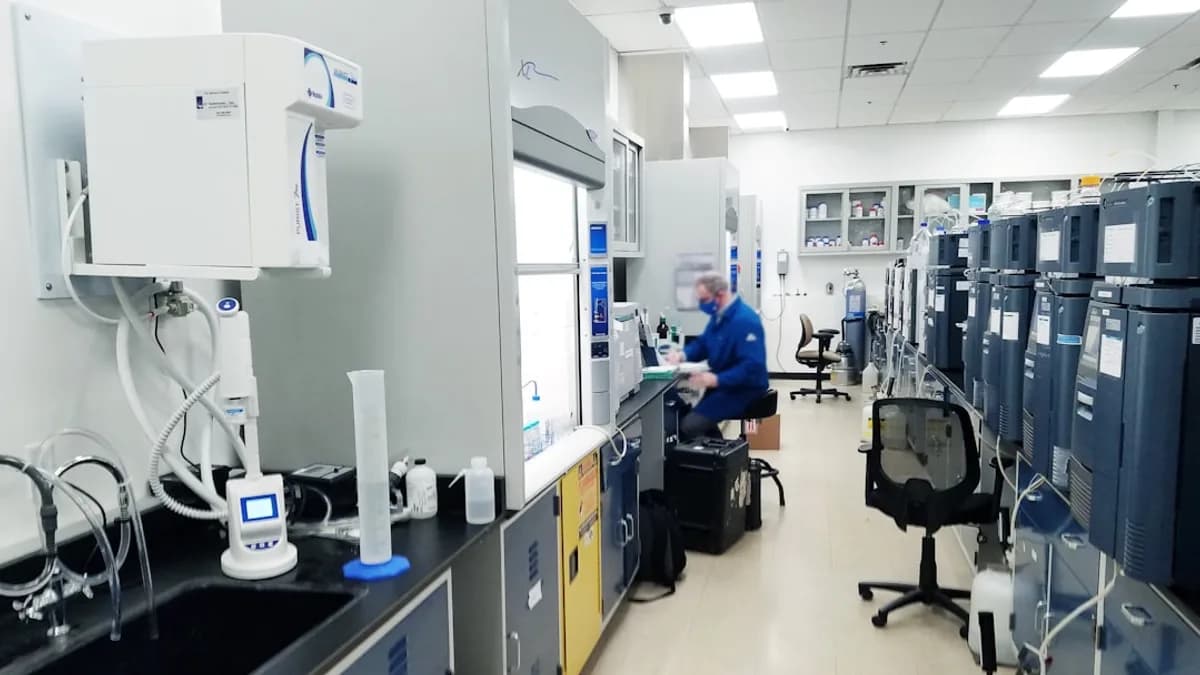



Breaking News: UW-Madison Researcher Arrested for Alleged Poisoning Attempt
A quiet research lab at the University of Wisconsin-Madison has become the center of a criminal investigation after a lab worker was arrested on suspicion of attempting to poison a colleague. The accused, whose name has not yet been released by authorities, faces felony charges following revelations that hazardous chemicals were deliberately added to a coworker’s water bottle and shoes within the university’s research facility. The arrest, which took place earlier this week, has sent shockwaves through both the academic and scientific communities, raising urgent questions about safety, trust, and oversight in high-pressure lab environments [Source: Source].
According to initial statements from university officials and law enforcement, the incident came to light after the targeted employee noticed unusual odors and symptoms, prompting an internal inquiry. This led to the discovery of the hazardous chemicals and the immediate involvement of campus police. The university has emphasized that there is currently no ongoing threat to the wider campus community but acknowledged the seriousness of the breach [Source: Source]. Authorities are now piecing together a timeline of events leading up to the arrest, as investigators work to determine both the motive and the full extent of the contamination.
This case is not only a rare criminal event in a research setting but also a stark reminder of the vulnerabilities that can exist even in highly regulated academic environments. As details continue to emerge, the incident has already begun to reshape conversations around lab safety and the responsibilities of research institutions to protect their staff.
Incident Details: How Poisonous Chemicals Were Discovered in UW-Madison Lab
The harrowing sequence of events began when a UW-Madison researcher detected a strange taste and smell emanating from their water bottle and noticed unusual stains and odors on their shoes. Upon closer examination, lab supervisors and university safety personnel identified traces of hazardous chemicals—substances that, according to police reports, have yet to be publicly named but were clearly dangerous to human health [Source: Source].
Confronted with evidence, the accused lab worker admitted to intentionally contaminating their colleague’s personal items. This confession triggered an immediate lockdown of the affected laboratory and a thorough investigation by campus safety teams. The university swiftly enacted emergency protocols: securing the scene, isolating the tainted materials, and conducting health assessments for all potentially exposed individuals [Source: Source].
The targeted researcher, while shaken, is reported to have avoided serious injury thanks to quick recognition of the symptoms and immediate reporting. Toxicologists note that even low-level exposure to many laboratory chemicals can lead to acute or long-term health risks, including organ damage or neurological effects, depending on the substance involved. In this case, the fast response likely averted a more serious medical crisis.
This incident also highlighted the importance—and possible limitations—of existing safety protocols. While most academic labs adhere to strict guidelines for handling and storing chemicals, this event underscores that internal threats, such as malicious tampering by a trusted colleague, can be difficult to anticipate. The university’s rapid containment actions are now being studied as a potential model for crisis response in similar settings.
Legal Implications: Felony Charges and Potential Consequences for the Accused
The accused UW-Madison employee now faces serious felony charges related to the attempted poisoning, including reckless endangerment and possible charges under statutes governing the use of hazardous substances [Source: Source]. Legal experts say that such charges reflect the grave threat posed by introducing poisons into shared environments—especially in a setting where exposure risks can have cascading effects.
If convicted, the individual could face years in prison, substantial fines, and a permanent criminal record. The case also holds weighty professional consequences: most research institutions have zero-tolerance policies for workplace violence or endangerment, and a conviction would almost certainly end the accused’s scientific career.
Legal analysts point out that poisoning attempts in the workplace are exceedingly rare but are treated with particular severity due to the breach of trust involved. Such incidents also force universities to reevaluate their policies and training regarding lab safety and incident reporting.
Workplace Safety and Trust: The Broader Impact on UW-Madison Research Community
Incidents like this one strike at the very core of what makes collaborative research possible: trust. For many at UW-Madison and beyond, the revelation that a colleague could deliberately endanger another’s well-being is both shocking and destabilizing. Early feedback from lab personnel and campus stakeholders reveals a sense of disbelief mixed with anxiety about how such a breach went undetected [Source: Source].
The university has responded by launching a comprehensive review of its safety protocols and increasing oversight in labs where hazardous materials are used. Workshops on conflict resolution, workplace conduct, and mental health resources are being offered to staff and students. Administrators are also soliciting feedback from the research community to identify gaps and improve reporting mechanisms for suspicious or concerning behavior.
This incident has also prompted a wider discussion about the pressures inherent in academic research. High-stakes environments, competitive grant funding, and long hours can sometimes exacerbate interpersonal tensions. Experts in workplace psychology emphasize the need for proactive conflict resolution programs and robust support systems to prevent minor disputes from escalating into dangerous situations.
Reactions from the broader scientific community have ranged from concern to calls for systemic change. Many are urging universities nationwide to treat this event as a wake-up call—not just for UW-Madison, but for all institutions where hazardous materials and intense collaboration intersect.
Analysis: What This Incident Reveals About Lab Safety and Employee Relations in Academic Settings
While universities pride themselves on rigorous safety training and compliance protocols, this case exposes a blind spot: the risk of insider threats. Most lab safety measures focus on accidental exposure or environmental hazards, with less emphasis on the possibility of intentional harm from within the team.
Historically, high-profile cases of lab sabotage or poisoning are rare but have often led to sweeping reforms. For example, after a series of lab-related incidents in the early 2000s, many institutions tightened access controls and improved chemical tracking. Yet, as this case demonstrates, even robust systems can be undermined by determined individuals.
Workplace dynamics also warrant deeper scrutiny. Academic labs are unique environments, blending intense intellectual collaboration with long hours and hierarchical structures. When interpersonal conflicts arise—whether over authorship, credit, or work habits—they can fester in the absence of effective mediation. This incident suggests that universities must invest not only in technical safety but also in fostering healthy workplace culture and communication.
Practical recommendations for universities include:
- Routine Security Audits: Beyond checking for proper chemical storage, labs should assess access logs and monitor for unusual behavior.
- Anonymous Reporting Tools: Encouraging staff and students to flag concerns without fear of retaliation can surface issues before they escalate.
- Mandatory Training: Regular refreshers on workplace conduct, mental health awareness, and conflict resolution are essential—especially in high-stress research environments.
- Proactive Mental Health Support: Accessible counseling and stress-management resources can defuse tensions early.
Looking forward, this incident may serve as a catalyst for nationwide policy updates. Funding agencies and regulatory bodies could require universities to certify not just their physical safety standards, but also their mechanisms for detecting and addressing interpersonal risks. In the competitive, high-stakes world of scientific research, the cost of inaction is simply too high.
Conclusion: Next Steps for UW-Madison and the Scientific Community Following the Poisoning Attempt
As investigations proceed and legal proceedings unfold, UW-Madison faces the dual challenge of restoring trust and reinforcing safety in its research community. University officials have pledged to conduct a thorough review and to share lessons learned with peers across the academic world [Source: Source].
This incident serves as a powerful reminder: maintaining a safe and supportive research environment requires vigilance, transparency, and a willingness to confront uncomfortable truths. For institutions everywhere, the call is clear—prioritize both technical safety and the human factors that underpin successful, ethical research. Only by doing so can the scientific community prevent such breaches and continue its vital work without fear or suspicion.