Introduction: Debunking Misleading Headlines on Diet and Lung Cancer
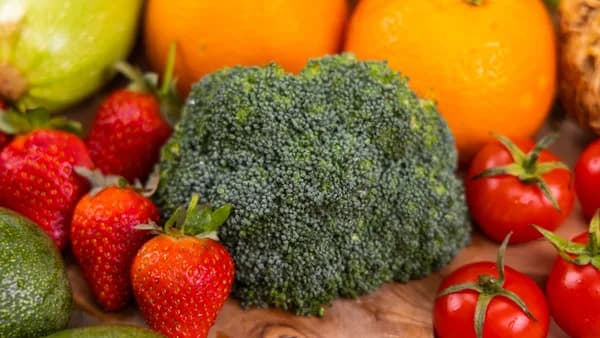
Imagine waking up to headlines declaring your morning fruit bowl might be raising your risk of lung cancer. This week, a flurry of sensational stories—“Eating fruit is linked to lung cancer?,” “Study links fruit and vegetable-heavy diet with increased cancer risk”—sent shockwaves through social media and breakfast tables alike [Source: Source]. At the center of the uproar: a study that, on its surface, appears to challenge decades of nutritional wisdom. But dig deeper, and the scientific foundations of these claims crumble rapidly. In an era when health misinformation spreads faster than ever, it’s crucial to dissect such stories with a critical eye—before they warp public understanding and undermine hard-earned trust in dietary science.
Examining the Flaws: Why the Study Linking Fruits and Vegetables to Lung Cancer Is Problematic
The study in question reportedly observed a correlation between diets high in fruits and vegetables and increased rates of lung cancer, particularly among younger individuals [Source: Source]. At first glance, this association seems almost heretical given the reams of evidence supporting plant-based diets for cancer prevention. Yet, a closer look at the methodology exposes fundamental weaknesses that undermine its conclusions.
First, the study’s design relies heavily on observational data, which is inherently limited in establishing causality. Correlation does not equal causation—a classic pitfall in epidemiological research. While the researchers attempted to adjust for smoking, the most well-established risk factor for lung cancer, residual confounding remains a major concern. For instance, people who eat more fruits and vegetables may differ from others in countless ways unrelated to diet: socioeconomic status, occupational exposures, geographic location, or even access to healthcare. Without rigorous controls and robust longitudinal data, teasing apart these variables is nearly impossible.
Sample size and statistical power also matter. Was the study population large and diverse enough to draw meaningful conclusions? The available reporting does not suggest a scale or granularity sufficient to detect subtle effects, especially in younger populations where lung cancer is already rare [Source: Source]. Furthermore, the study appears to rely on self-reported dietary data—a notoriously unreliable metric subject to recall bias and social desirability effects.
Another glaring issue is the potential for publication and reporting bias. When a finding bucks conventional wisdom, it’s more likely to generate headlines and citations, regardless of its scientific merit. Media outlets, eager for clicks, often amplify preliminary or controversial results without adequate context or skepticism. In this case, the leap from a tenuous statistical association to a sweeping warning about fruit and vegetable consumption is not just premature—it’s irresponsible.
Understanding the Role of Pesticides and Other Environmental Factors in Lung Cancer Risk
One hypothesis floated in the study and echoed in coverage is that pesticide residues on fruits and vegetables might explain the unexpected link to lung cancer [Source: Source]. While this is a plausible avenue for further research, it’s crucial to distinguish between the effects of diet itself and environmental toxins that may contaminate food.
Pesticides have been scrutinized for their potential health risks, with some studies suggesting associations with certain cancers in agricultural workers or populations with high exposure. However, for the general public, regulatory agencies set maximum residue limits specifically to minimize harm. The vast majority of epidemiological research continues to support the health benefits of fruit and vegetable consumption, even when accounting for potential contaminants.
Moreover, lung cancer remains overwhelmingly associated with smoking, radon exposure, occupational hazards (like asbestos), and air pollution. Dietary factors, if influential at all, play a far smaller role compared to these established risks. The current scientific consensus is clear: the benefits of a diet rich in fruits and vegetables—lower risk of cardiovascular disease, diabetes, and several cancers—far outweigh any hypothetical risks posed by trace pesticide exposure in food [Source: Source].
The Danger of Sensationalized Health Reporting: Impact on Public Perception and Behavior
The real threat posed by this wave of misleading headlines isn’t to the scientific community—it’s to the public’s trust and behavior. When readers see authoritative outlets linking salads to cancer, confusion and skepticism grow. People may second-guess dietary advice or, worse, abandon healthy eating habits altogether. This phenomenon, known as the “backfire effect,” can entrench misinformation and erode confidence in science-based recommendations.
History offers cautionary tales: the “eggs cause heart disease” scare of the late 20th century, or the more recent backlash against gluten and GMOs, both fueled by media overreach and selective reporting. These episodes demonstrate how simplistic or alarmist headlines can have real, lasting consequences on public health. They also highlight the media’s responsibility to provide not just information, but context, nuance, and a clear distinction between preliminary findings and established facts.
Media organizations must raise their standards when reporting on emerging health research. This means consulting experts unaffiliated with the study, highlighting limitations, and resisting the lure of sensationalism—especially when the stakes involve the diets and well-being of millions.
Opinion: Advocating for Critical Thinking and Evidence-Based Nutrition Guidance
As readers and citizens, we must approach dazzling headlines with a healthy dose of skepticism—especially when they appear to upend decades of scientific consensus overnight. Science is a process, not a series of click-worthy revelations. A single, flawed study should not outweigh the collective weight of hundreds of rigorous trials and meta-analyses supporting the benefits of fruits and vegetables.
Instead of lurching from one dietary scare to the next, the public—and the media—should focus on evidence-based, balanced nutrition. That means plenty of plant foods, moderate portions, and, yes, washing produce to minimize pesticide exposure. More fundamentally, scientific publishing itself must enforce higher standards of peer review and data transparency, to ensure that weak or misleading studies do not become the basis for widespread confusion.
Ultimately, the antidote to sensationalism is critical thinking: asking who conducted a study, how it was designed, and whether its findings genuinely overturn existing knowledge. In a world awash in information, discernment is as vital as nutrition itself.
Conclusion: Separating Fact from Fiction in Diet and Cancer Research
The recent headlines tying healthy diets to lung cancer are a textbook case of how bad science and worse reporting can muddy the waters of public understanding. The evidence for the protective effects of fruits and vegetables remains robust; the notion that salads are a cancer risk is not just unsupported, but actively dangerous.
Maintaining trust in nutrition science requires vigilance—from researchers, journalists, and readers alike. As the pace and volume of scientific publishing accelerates, so too must our commitment to careful, contextualized communication. By separating the signal from the noise, we can ensure that people are empowered to make choices that genuinely improve their health, not fall prey to the latest viral scare.