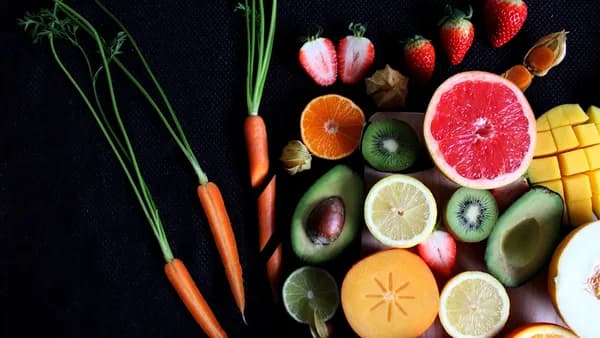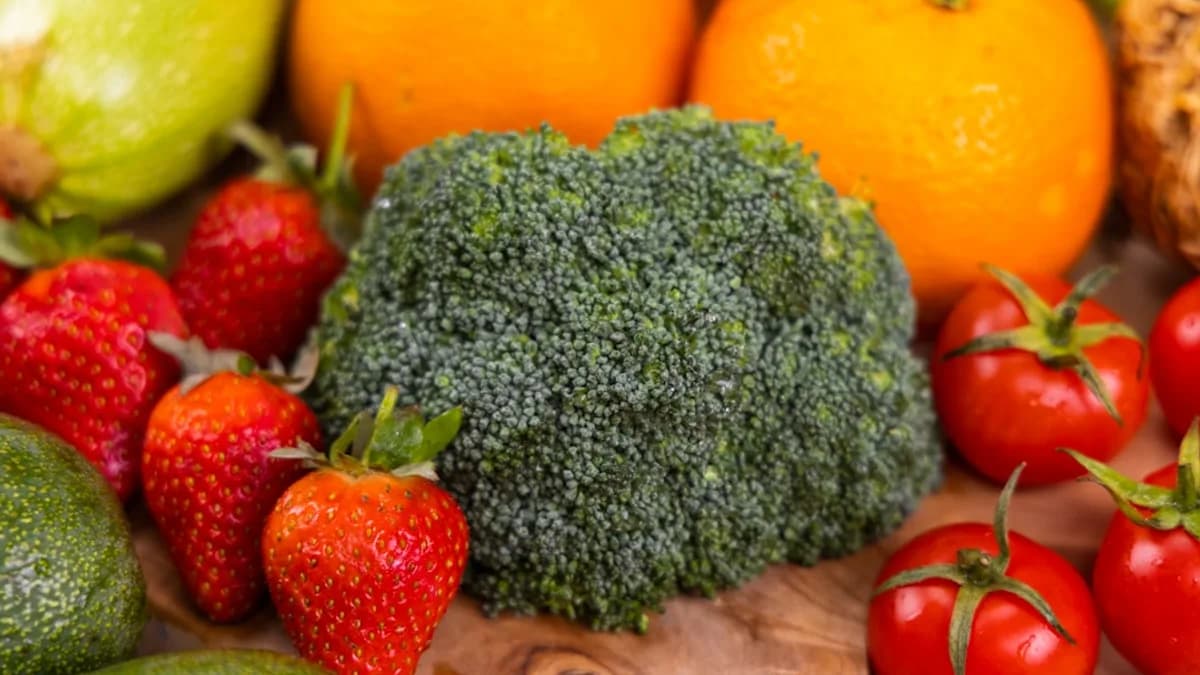
Introduction: Understanding the Controversy Around Fruit Consumption and Lung Cancer Risk
Can reaching for that apple or handful of berries really put your lungs at risk? A newly published study linking fruit and vegetable consumption to a higher risk of lung cancer has ignited a wave of confusion and concern among health-conscious consumers. After decades of public health messaging touting the benefits of a plant-rich diet, headlines that claim eating more produce could be hazardous seem both shocking and counterintuitive. As this study gains traction across media outlets, many are left wondering: should you rethink your salad order? This article unpacks the research, explores what it actually found, and offers crucial context to help readers make sense of the swirling controversy.
Overview of the New Study Linking Fruit and Vegetable Intake to Lung Cancer
The study in question, which quickly made headlines across major health news platforms, set out to investigate possible links between diet—specifically, fruit and vegetable consumption—and the risk of developing lung cancer [Source: Source]. Researchers analyzed dietary data from a large population sample, tracking participants’ intake of various fruits and vegetables over time. The sample included both smokers and non-smokers, and participants’ health outcomes were followed for several years.
Surprisingly, the study reported a statistical association between higher fruit and vegetable consumption and an increased incidence of lung cancer. The types of produce examined ranged from common fruits like apples and oranges to leafy greens and root vegetables. Researchers used food frequency questionnaires and, in some cases, biomarker data to estimate intake levels. The strength of the association varied, but in certain subgroups—especially younger adults and non-smokers—the link appeared more pronounced [Source: Source].
However, it’s essential to underscore that the study identified a correlation, not a direct cause-and-effect relationship. The researchers themselves cautioned that further investigation was needed to understand the underlying mechanisms and rule out alternative explanations.
Examining the Role of Pesticides and Other Potential Confounding Factors
One hypothesis put forward by the study authors was the possible role of pesticide residues on conventionally grown produce. Pesticides, some of which are known or suspected carcinogens, can remain on the surface or inside fruits and vegetables even after washing. If individuals consuming more produce are inadvertently ingesting higher levels of these chemicals, this could theoretically elevate their cancer risk [Source: Source].
However, the researchers also acknowledged a web of confounding factors. For example, lifestyle variables such as exposure to air pollution, occupational hazards, and most importantly, smoking status, all dramatically influence lung cancer risk. While the study attempted to adjust for these variables, no observational research can perfectly control for every factor. Notably, people who eat more fruits and vegetables might also be more likely to live in urban areas, where air quality tends to be poorer.
Additionally, dietary recall surveys—commonly used in such studies—are prone to inaccuracies. Participants may over- or under-report their actual consumption, skewing the results. The study’s authors highlighted these limitations, cautioning against drawing direct conclusions that fruit and vegetable intake is harmful in itself.
Scientific Context: What Previous Research Says About Fruits, Vegetables, and Cancer
For decades, a robust body of scientific evidence has reinforced the idea that fruits and vegetables are protective against many types of cancer. Numerous large-scale studies and meta-analyses have shown that diets high in plant-based foods are associated with lower risks of lung, colorectal, and other cancers [Source: Source]. The World Health Organization and American Cancer Society both recommend ample consumption of fruits and vegetables as a cornerstone of cancer prevention.
So how does this new study fit within the broader scientific landscape? The findings are at odds with most prior research, which could be due to differences in study design, population demographics, or regional environmental factors. For instance, if the population under study was exposed to higher-than-average levels of agricultural chemicals, this might help explain the unusual association. Alternatively, the findings could be a statistical artifact or the result of residual confounding.
Importantly, the new study does not overturn decades of evidence supporting the health benefits of fruits and vegetables. Instead, it highlights a potential area for further research—especially into how food production methods and environmental exposures may modify dietary health effects.
Implications for Public Health and Dietary Recommendations
Should you stop eating fruits and vegetables based on this study? Public health experts and nutritionists overwhelmingly say no. The consensus remains that a diet rich in fruits and vegetables is associated with a host of health benefits, including reduced risk of heart disease, stroke, diabetes, and some cancers [Source: Source]. The possible link between produce and lung cancer, as reported here, is not strong enough or sufficiently substantiated to warrant a change in existing dietary guidelines.
Experts do, however, emphasize the importance of food safety and advocate for measures to reduce exposure to pesticides—such as buying organic when possible, thoroughly washing produce, and supporting agricultural practices that minimize chemical use. They also stress that lifestyle factors like smoking cessation, regular physical activity, and maintaining a healthy weight are far more significant determinants of cancer risk than any single dietary component.
The real takeaway from this study is not to avoid fruits and vegetables, but to push for more research and transparency around how our food is grown and processed. It’s also a reminder that cancer prevention is multifactorial, requiring a holistic, evidence-based approach.
Conclusion: Navigating Conflicting Nutrition Research with Critical Thinking
Nutrition studies often make headlines for their surprising or counterintuitive findings, but they rarely tell the whole story in isolation. This new research linking fruit and vegetable intake to lung cancer risk raises important questions about pesticides and environmental health—but it is far from a reason to abandon produce altogether. The key is to interpret such findings with a critical eye, recognizing both the study’s limitations and the broader body of scientific evidence that supports plant-rich diets.
For consumers, the best course remains clear: enjoy a variety of fruits and vegetables, be mindful of food safety, and focus on holistic wellness strategies. When in doubt, consult with healthcare professionals and rely on established dietary guidelines rather than sensational headlines or single studies. The evolving science of nutrition demands both open-mindedness and discernment—qualities that serve us well far beyond the dinner table.