



Introduction: Understanding the Impact of Ultraprocessed Foods on Muscle Health
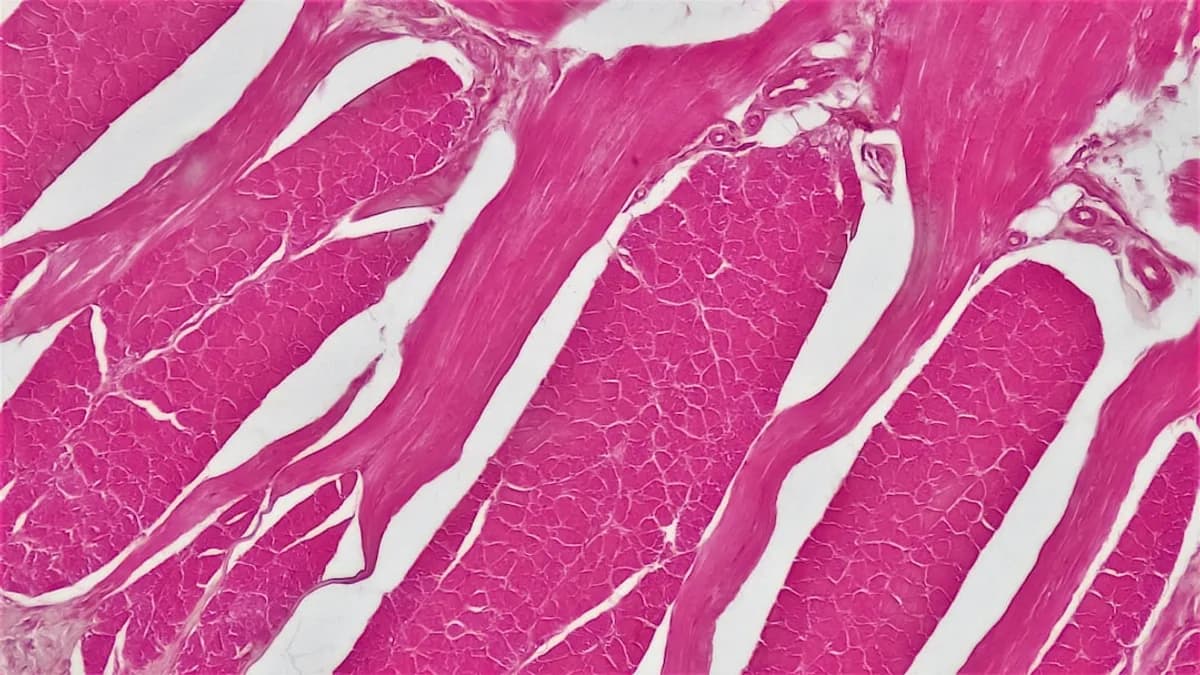
Ultraprocessed foods have become an undeniable staple in modern diets, filling grocery aisles and fast food menus with convenient, tasty options. Defined by their extensive industrial processing, these foods often contain high levels of sugars, unhealthy fats, additives, and minimal nutritional value. Recent research has brought to light a concerning trend: consuming ultraprocessed foods may be causing fat to accumulate in our muscles, turning our thighs into “well-marbled steaks”—an analogy that vividly illustrates the infiltration of fat where lean muscle should reside [Source: Source]. The implications go far beyond aesthetics. Muscle health is crucial for mobility, metabolism, and preventing chronic diseases. This article will explore the science behind ultraprocessed foods’ effects on muscle composition and, most importantly, offer practical steps you can take to safeguard your muscle health in a world dominated by processed food options.
What Are Ultraprocessed Foods and How Do They Affect Muscle Composition?
Ultraprocessed foods are products that undergo multiple stages of industrial processing and typically include ingredients not commonly found in home kitchens. Examples include packaged snacks, sugary drinks, instant noodles, processed meats, and ready-made meals. These foods are characterized by high sugar content, unhealthy fats, artificial additives, flavor enhancers, and a lack of essential nutrients.
The mechanism by which ultraprocessed foods affect muscle composition is concerning. When consumed regularly, these foods can lead to fat accumulation within muscle tissue—a phenomenon sometimes referred to as “marbling.” While marbling is desirable in premium cuts of beef, in humans, it signals poor muscle quality and can hinder strength, mobility, and metabolic health [Source: Source]. Fat infiltration in muscles is linked to reduced muscle function and increased risk of chronic conditions like diabetes and cardiovascular disease.
Recent studies have shown that people who consume high amounts of ultraprocessed foods have worse muscle health, with increased fat content inside their muscles and decreased muscle strength [Source: Source]. In fact, research highlighted by CNN and other outlets points to a higher risk of muscle degradation and even bone diseases such as osteoporosis among those with diets rich in ultraprocessed foods [Source: Source]. This underscores the importance of dietary choices not only for weight management but for maintaining robust, functional muscle tissue—especially as we age.
How to Identify and Reduce Ultraprocessed Foods in Your Diet
Recognizing ultraprocessed foods is the first step toward minimizing their presence in your diet. When shopping or reading labels, look for products with long ingredient lists featuring unfamiliar additives, preservatives, artificial colors, or flavors. Common examples include packaged cookies, chips, processed cheeses, sweetened breakfast cereals, and frozen meals.
Practical swaps can make a significant difference. Instead of sugary snacks or sodas, opt for whole fruits, unsweetened yogurt, or homemade trail mixes. Replace white bread and pastries with whole grain alternatives, and choose fresh or frozen vegetables instead of canned varieties with added sodium or sauces.
Meal planning is another effective strategy. Preparing meals at home using whole, minimally processed ingredients allows you to control what goes into your food. Batch cooking, using leftovers creatively, and keeping staples like beans, whole grains, lean meats, and fresh produce on hand can help reduce reliance on ultraprocessed items. For busy days, quick recipes such as stir-fries, salads, or soups can be assembled using wholesome ingredients.
Cooking at home is also beneficial for fostering healthy habits and involving family members in meal preparation. Experiment with herbs and spices to add flavor without resorting to artificial additives. By making gradual changes—such as swapping one processed snack per day for a healthier option—you can build sustainable habits that protect your muscle health [Source: Source].
How to Support Muscle Health Through Nutrition
Muscle health relies on a steady supply of key nutrients that aid in strength, repair, and regeneration. Protein is fundamental, as it provides the building blocks necessary for muscle tissue. Incorporate sources such as lean meats, poultry, fish, eggs, legumes, tofu, and dairy products into your daily meals.
Vitamins D and B12 are also vital. Vitamin D helps regulate calcium for bone and muscle function and can be found in fatty fish, fortified dairy, eggs, and through safe sun exposure. Vitamin B12 is essential for nerve and muscle health, with sources including animal products and fortified plant-based foods.
Omega-3 fatty acids, found in fatty fish like salmon, walnuts, and flaxseeds, have anti-inflammatory properties and support muscle repair. Additionally, healthy carbohydrates from whole grains, fruits, and vegetables provide energy for exercise and daily activities, while adequate hydration ensures optimal muscle function.
A balanced diet that includes a variety of these nutrients supports muscle quality and may help counteract the negative effects of ultraprocessed foods. For most people, supplements are unnecessary unless recommended by a healthcare provider. If you have dietary restrictions or specific health concerns, consult a professional before starting any supplementation.
Simple meal ideas to boost muscle health include grilled chicken with quinoa and vegetables, a chickpea salad with olive oil and lemon, or a salmon fillet paired with roasted sweet potatoes and greens. Always aim for meals that feature whole, colorful ingredients and minimize processed additives [Source: Source].
How to Incorporate Physical Activity to Combat Muscle Fat Infiltration
While nutrition is foundational, physical activity is equally important in maintaining muscle health and preventing fat infiltration. Strength training and resistance exercises, such as squats, lunges, push-ups, and weightlifting, directly stimulate muscle growth and improve muscle quality. Aerobic activities like brisk walking, cycling, and swimming help burn fat and support cardiovascular health.
The frequency and intensity of exercise should be tailored by age and fitness level. Adults are generally advised to engage in strength training at least two days per week and aim for 150 minutes of moderate aerobic activity weekly. Older adults or those with health conditions may benefit from gentler routines, such as chair exercises, resistance bands, or water aerobics.
Exercise not only reduces intramuscular fat but also improves muscle strength, balance, and overall wellbeing. Simple routines can be done at home; for example, a 20-minute session of bodyweight exercises or a brisk walk around the neighborhood. Community centers often offer group classes suited to various fitness levels, providing social support and motivation.
Consistency is key. Start with manageable goals—such as a daily walk or a short strength routine—and increase intensity gradually. Remember, any movement is better than none, and even small efforts can yield substantial benefits for muscle health [Source: Source].
Monitoring Progress and When to Seek Professional Help
Tracking your progress is essential to staying motivated and ensuring your efforts are effective. Simple ways to monitor muscle health include noting improvements in strength (such as being able to lift heavier objects or climb stairs more easily), endurance, and overall energy levels. Keeping a food and exercise journal can help identify patterns and areas for improvement.
Signs of worsening muscle health include persistent weakness, difficulty with everyday activities, unexplained fatigue, or increased susceptibility to injuries. If you experience these symptoms or have concerns about bone health—such as frequent fractures or pain—it’s important to consult a healthcare provider.
Regular medical check-ups can assess muscle and bone health through physical exams, blood tests, or bone density scans. For personalized guidance, consider working with a registered dietitian or physiotherapist, especially if you have existing health conditions or risk factors for muscle or bone disease.
Personalized plans tailored to your needs and lifestyle are the most effective way to achieve lasting improvements in muscle health. Don’t hesitate to seek support and professional advice when needed [Source: Source].
Conclusion: Taking Control of Your Muscle Health in a Processed Food World
The rise of ultraprocessed foods poses real risks to muscle and bone health, with recent studies linking these products to increased fat infiltration in muscles and higher rates of chronic disease [Source: Source]. Fortunately, you can take concrete steps to protect yourself: focus on whole foods, cook at home, prioritize key nutrients, and stay physically active. By monitoring your progress and seeking help when needed, you can make gradual, sustainable changes that yield long-term benefits.
Prioritizing muscle health is an investment in your future wellbeing, mobility, and independence. In a world where processed foods are everywhere, taking control of your diet and lifestyle empowers you to thrive. Start small, stay consistent, and remember that every healthy choice counts.