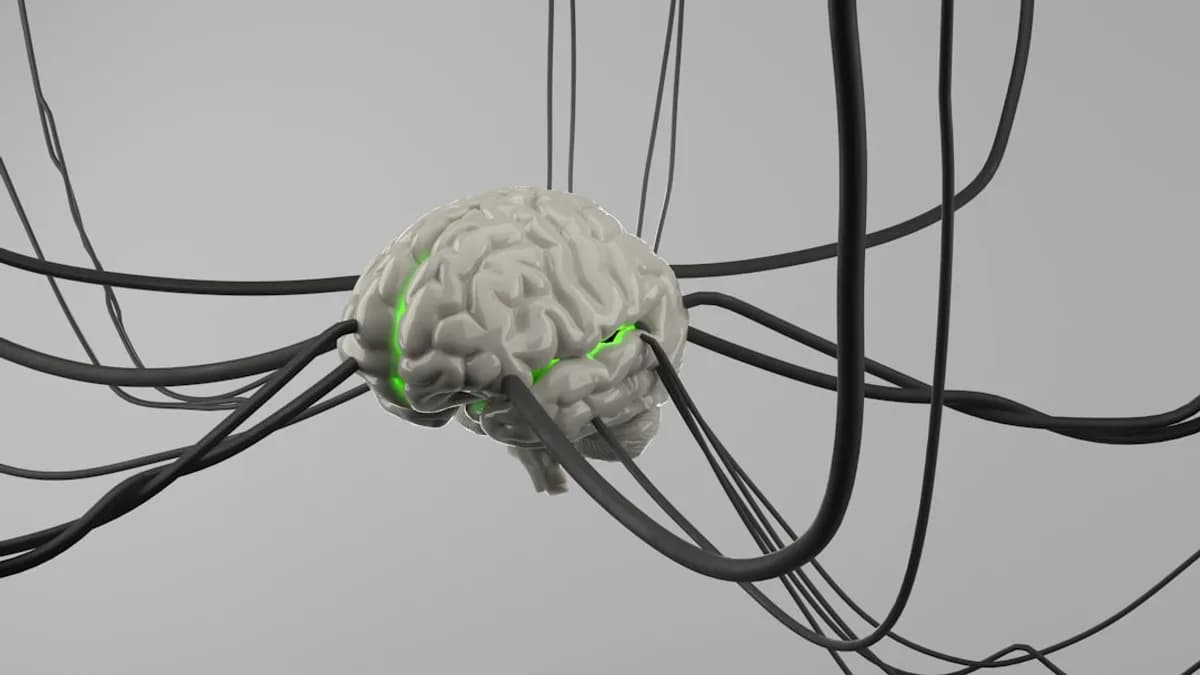
Introduction: Science Corp’s Leap Toward Human Brain Sensor Implants
Science Corp, a pioneering neurotechnology startup, is preparing to place its first sensor in a human brain—an ambitious milestone that brings brain-computer interface (BCI) technology closer to mainstream medical application. Founded by Max Hodak, a prominent figure in neurotech, Science Corp has positioned itself at the forefront of biohybrid brain sensor innovation. The upcoming procedure, to be led by a Yale neurosurgeon, marks a crucial step in translating laboratory breakthroughs into real-world solutions. This development could reshape how neurological disorders are treated and open new pathways for human-computer integration [Source: Source]. As the field of neurotechnology rapidly evolves, Science Corp’s move signals both a technical leap and a glimpse into the future of human augmentation.
Background on Science Corp and Max Hodak’s Vision
Max Hodak is well-known in the neurotech landscape, having previously co-founded Neuralink alongside Elon Musk. With a background in biomedical engineering and a passion for advancing human-computer symbiosis, Hodak launched Science Corp in 2021 to explore alternative approaches to brain interface technology. Science Corp’s founding mission is to develop biohybrid devices that harmonize biological tissue with advanced electronics, aiming for safer and more effective integration than conventional methods.
Since its inception, Science Corp has achieved notable milestones. The company has demonstrated novel “biohybrid” sensors capable of recording neural activity with minimal immune response—a key challenge in traditional brain implants. Their research has focused on combining the resilience of biological materials with the precision of microelectronics, resulting in sensors that can potentially remain functional longer and transmit richer data. Science Corp’s distinct approach has garnered attention in both academic and investor circles, positioning it as a contender in the race to commercialize BCI technology [Source: Source]. Hodak’s vision extends beyond medical applications, aspiring to redefine how humans interact with machines and their own biology.
Details of the First Human Brain Sensor Placement
The sensor at the center of Science Corp’s upcoming human trial is a biohybrid device, meaning it leverages both living tissue and engineered microelectronics to record and interpret neural signals. Unlike conventional electrodes, which can provoke inflammation and degrade over time, Science Corp’s sensor is designed for biocompatibility, aiming to minimize immune response and maximize longevity [Source: Source].
To execute this first-in-human procedure, Science Corp has partnered with Dr. Dennis Spencer, a distinguished Yale neurosurgeon. This collaboration underscores the importance of medical expertise and rigorous clinical standards in translating experimental technology to patient care. The initial placement will involve a surgical implant of the sensor into a consenting participant’s brain, with the goal of monitoring neural activity and evaluating both safety and performance.
The timeline for the human trial is set for the coming months, following extensive preclinical studies and regulatory preparations. Early-stage human trials will focus on safety, device stability, and the sensor’s ability to capture neural data accurately. The procedure is expected to be conducted under strict ethical guidelines, with comprehensive oversight from institutional review boards and regulatory bodies. If successful, the trial will pave the way for broader clinical studies and potential applications in treating neurological conditions such as epilepsy, Parkinson’s disease, and severe communication impairments [Source: Source].
Implications and Potential Applications of the Brain Sensor
The introduction of a biohybrid brain sensor could significantly impact the treatment of neurological disorders. By providing high-fidelity neural recordings with minimal immune response, the sensor may enable more precise diagnosis and monitoring of conditions like epilepsy, Alzheimer’s, and stroke. Furthermore, real-time brain data could inform personalized therapies, improving outcomes for patients with complex neurological challenges [Source: Source].
Beyond medical treatment, Science Corp’s sensor opens the door to advanced brain-computer interfaces. Such BCIs could allow individuals with paralysis or communication disorders to control computer systems, prosthetics, or even speech devices directly with their thoughts. The technology could also foster new modes of human-computer interaction, potentially benefiting fields as diverse as education, gaming, and mental health.
The sensor’s biohybrid design positions it as a promising candidate for long-term implants, potentially overcoming the challenges of device degradation and immune rejection that have limited previous BCI efforts. If widely adopted, this technology could accelerate the development of human augmentation tools—ranging from cognitive enhancement to direct digital communication. The broader implications include ethical debates about the boundaries of human enhancement and the societal impact of integrating digital intelligence with biological minds [Source: Source].
Comparative Overview: Other Brain-Computer Interface Initiatives
Science Corp is not alone in pursuing brain sensor implants. Companies like Neuralink, Synchron, and Blackrock Neurotech have also made headlines with their BCI prototypes and human trials. Neuralink, for instance, focuses on high-bandwidth electrodes designed for both medical and non-medical applications, while Synchron’s minimally invasive stent-like device aims to reduce surgical risks [Source: Source].
What sets Science Corp apart is its biohybrid approach, which seeks to blend living tissue with synthetic components for improved biocompatibility and durability. This contrasts with the purely electronic designs of most competitors, which often face challenges such as immune rejection and signal degradation. Science Corp’s partnership with a leading neurosurgeon and its commitment to clinical rigor further differentiate its strategy.
Industry-wide, challenges include regulatory approval, ethical concerns, device reliability, and public acceptance. Science Corp addresses these by focusing on safety, transparency, and innovative material science. While the field is crowded and competitive, the company’s unique technology and clinical partnerships position it as a potential leader in the next wave of BCI innovation [Source: Source].
Ethical and Regulatory Considerations
The prospect of implanting sensors in the human brain raises significant ethical questions. Issues include informed consent, privacy of neural data, potential misuse, and the impact on identity and autonomy. Science Corp is navigating these concerns by implementing strict protocols for participant consent, data security, and clinical oversight [Source: Source].
Regulatory hurdles are substantial, requiring approval from agencies such as the FDA and institutional review boards. The company’s collaboration with Yale and adherence to medical standards aim to ensure compliance and patient safety. As BCIs move from experimental to clinical use, ongoing dialogue with ethicists, regulators, and the public will be critical to maintaining trust and transparency.
Conclusion: The Future of Brain-Computer Interfaces and Science Corp’s Role
Science Corp’s upcoming human trial marks a pivotal moment in the evolution of brain-computer interfaces, signaling that the technology is moving from laboratory exploration to tangible clinical application. If successful, the biohybrid sensor could transform how neurological conditions are treated and how humans interface with digital systems [Source: Source]. The long-term impact may extend far beyond medicine, reshaping education, communication, and even human cognition.
As the neurotechnology field advances, Science Corp’s innovative approach and commitment to rigorous science position it as a key player to watch. The next steps will involve scaling clinical trials, refining technology, and addressing societal questions about brain augmentation. Whether for healing or enhancement, the journey toward seamless human-computer integration has never looked more promising.