
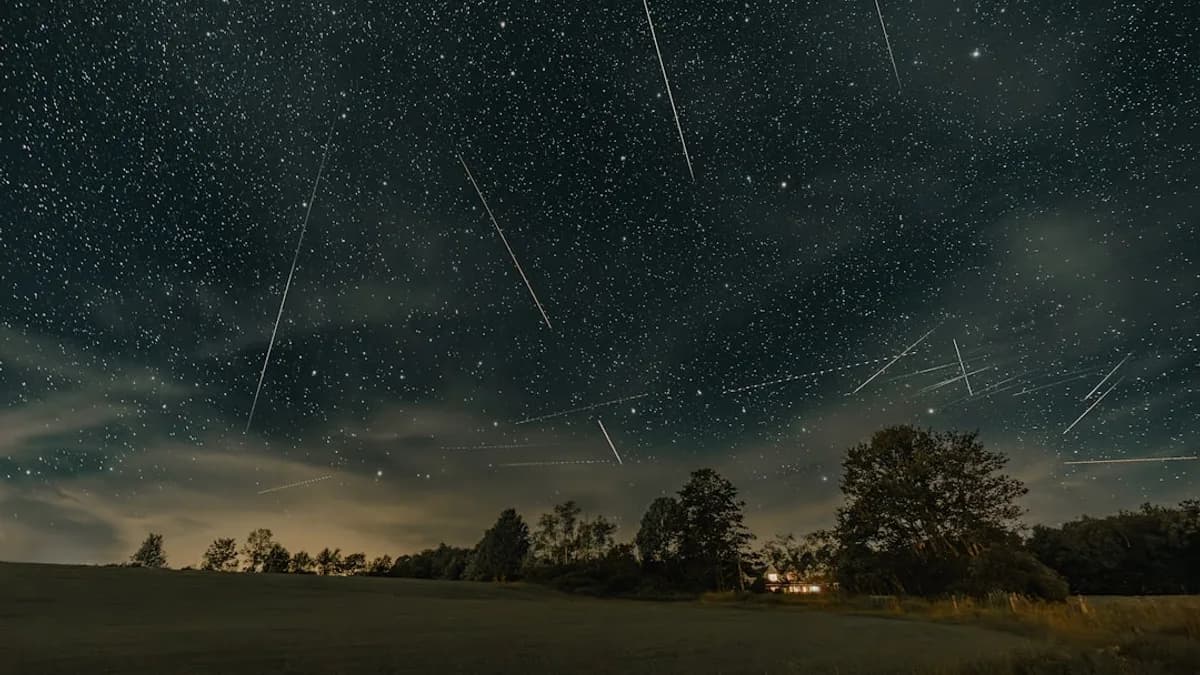



Introduction to the Lyrid Meteor Shower
Every April, skywatchers are treated to one of the oldest recorded meteor showers: the Lyrids. With observations dating back over 2,700 years, the Lyrids are renowned for both their rich history and their reliable annual display [Source: Source]. The meteor shower occurs when Earth passes through the debris left by Comet Thatcher, producing bright streaks of light as tiny particles burn up in our atmosphere. This year, the Lyrid meteor shower is set to begin tonight and will be active through late April, with peak activity expected in the early morning hours of April 22. Unlike some of the year’s bigger meteor showers, the Lyrids typically produce a modest but steady number of meteors, yet they can surprise with brief bursts of higher activity, known as “Lyrid outbursts”—one of the features that makes them unique among meteor showers.
Understanding the Best Viewing Times
Catching the Lyrid meteor shower at its best requires timing your watch for the peak period. The Lyrids reach their maximum activity during a short window, when Earth passes through the densest part of the cometary debris stream. This year, the peak is expected in the pre-dawn hours of April 22, when viewers may see up to 15–20 meteors per hour under ideal conditions [Source: Source]. The reason pre-dawn is optimal is that the sky is darkest just before sunrise, and the meteor radiant—the point from which the meteors appear to originate, near the constellation Lyra—rises higher in the sky at this time.
Moonlight can play a significant role in meteor visibility. If the moon is bright during the shower’s peak, its light can wash out fainter meteors, reducing the spectacle. Fortunately, this year’s Lyrids coincide with a relatively dim moon, increasing the chances of seeing more meteors [Source: Source]. Clear skies are also essential; clouds or haze can obscure your view, so check your local weather forecast before heading out. In summary, for the best results, plan to observe in the hours after midnight and before dawn, ideally on or near the shower’s peak night.
Choosing the Ideal Location for Viewing
Finding a great spot is crucial for enjoying the Lyrid meteor shower. Light pollution from city lights can dramatically reduce the number of meteors you see. For the clearest possible view, seek out a location far from urban glow—think rural areas, national parks, or any wide-open space away from streetlamps and buildings [Source: Source]. If you’re in a city and can’t easily escape, you can still improve your chances. Head to the darkest park or open field you can find, turn off or shield yourself from artificial lights, and avoid looking at your phone to keep your eyes adjusted to the dark.
Elevated locations, such as hills or rooftops (where allowed and safe), can offer a broader view of the sky and help minimize horizon obstructions. If you’re able to drive a short distance, even getting to the outskirts of town can make a noticeable difference. No matter where you are, try to position yourself so you have a clear view of as much sky as possible—especially towards the northeast, where Lyra rises.
Preparing for the Meteor Shower Viewing Experience
A little preparation will make your night under the stars much more comfortable and memorable. Bring along a reclining lawn chair or a thick blanket so you can lie back and watch the sky without straining your neck. April nights can still be chilly, so dress in layers and bring extra blankets or a sleeping bag to stay warm. Don’t forget snacks and drinks, since meteor watching can be a waiting game—having refreshments on hand makes the experience more enjoyable.
While you don’t need binoculars or telescopes (meteors are best seen with the naked eye), you might want a camera set up for long exposures if you’re interested in astrophotography. Give your eyes at least 20–30 minutes to adjust to the darkness for optimal meteor spotting—this means avoiding screens and bright lights. For safety, let someone know where you’ll be if you’re heading to a remote location, bring a flashlight with a red filter (to preserve night vision), and keep a phone charged in case of emergencies [Source: Source].
How to Watch and What to Expect
To maximize your chances of seeing Lyrid meteors, find a spot with a wide, unobstructed view of the sky. Look generally northeast, toward the constellation Lyra, but remember that meteors can appear anywhere overhead. The Lyrids produce fast, bright meteors—often with glowing trails that can linger for a moment. During peak hours, a patient observer might see a meteor every few minutes. Some years, the Lyrids surprise with “outbursts,” when rates briefly spike to over 100 meteors per hour, though this is rare and unpredictable [Source: Source].
The key to a rewarding experience is patience. Settle in, scan the sky, and enjoy the quiet moments between meteors as part of the spectacle. Watching with friends or family can make the night more enjoyable and increases the odds that someone will spot a meteor and point it out. Even if you catch just a few meteors, the thrill of seeing a shooting star streak across the sky is well worth the wait.
Conclusion: Making the Most of the Lyrid Meteor Shower
To sum up, catching the Lyrid meteor shower at its best means planning for the right timing—just before dawn during the peak night—choosing a dark location away from city lights, and preparing for a comfortable, safe experience. Sharing the night with friends or family can turn it into a memorable outing, and checking local weather and lunar conditions will help ensure you get the clearest skies possible. With a bit of patience and preparation, the Lyrids can offer a truly magical night under the stars [Source: Source].