Scorpion Venom and Habanero Peppers: Nature’s Unlikely Arsenal Against Superbugs
Three new antibiotics have been engineered from scorpion venom and habanero peppers, targeting tuberculosis and other drug-resistant bacteria. That’s not just an incremental advance—it’s a challenge to the idea that only labs, not deserts and kitchens, hold the keys to future antibiotics. According to Wired, Mexican researchers have harnessed toxins and capsaicin to strike at pathogens that traditional drugs can’t touch.
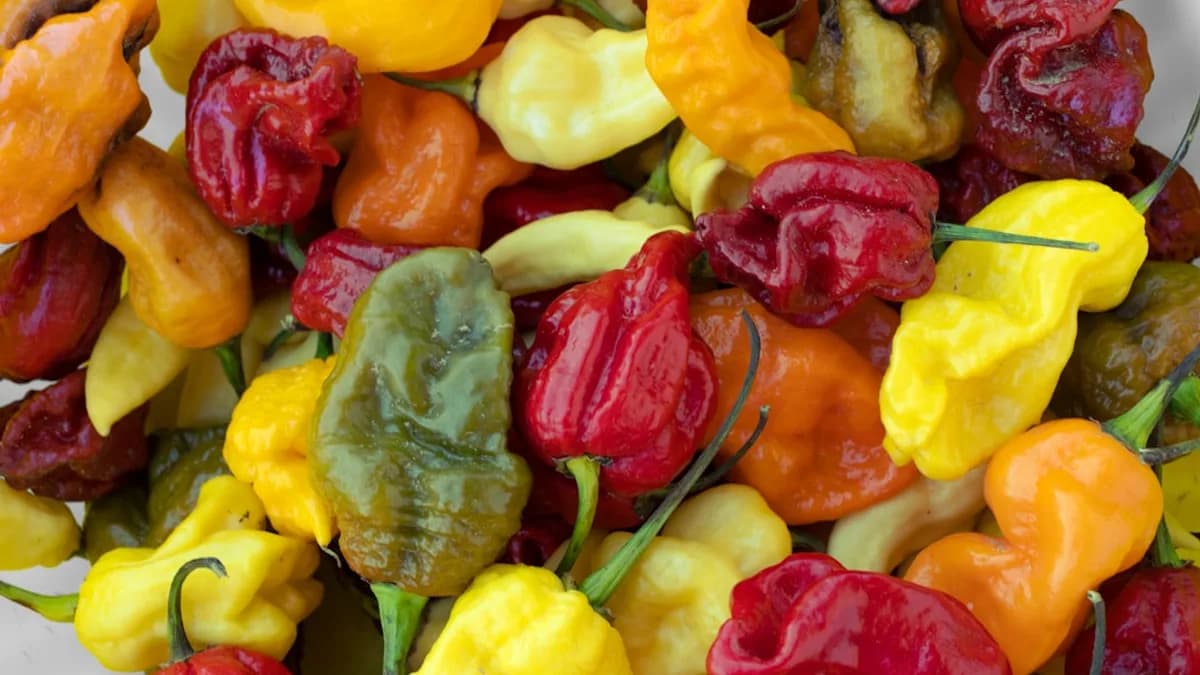
Neither scorpion venom nor habanero peppers are new to folklore medicine, but their leap into modern antibiotic development is rare. Venom is packed with peptides evolved to paralyze or kill prey, while capsaicin—the molecule that gives habaneros their heat—can disrupt bacterial membranes and block key cellular functions. By extracting, isolating, and tweaking these natural compounds, scientists are creating weapons with mechanisms distinct from those used by today’s failing antibiotics.
Why are these sources promising? Resistant bacteria adapt to drugs they’ve seen before. Venom and capsaicin offer structures and attack modes unfamiliar to pathogens, making it harder for bacteria to mount a defense. The result: new lines of attack at a time when the antibiotic pipeline is running dry.
Drug-Resistant Tuberculosis: The Clock Is Ticking
The global threat of antibiotic resistance is not theoretical. Tuberculosis alone sickens millions each year, and drug-resistant strains are surging. Each time a microbe shrugs off a standard therapy, the pool of effective treatments shrinks—and the costs, complications, and death toll rise. The Wired report points directly to this urgency: new drugs are needed, fast.
Existing antibiotics for tuberculosis and other hard-to-treat infections often require long, complex regimens with serious side effects. They’re increasingly outmatched by bacteria that have evolved resistance through overuse and mismanagement of older drugs. The result: doctors run out of options, and patients face longer, more expensive battles with dwindling odds of success.
The numbers are grim. While the Wired source doesn’t provide statistics, the context is clear: the rise of resistant infections is outpacing the development of new therapies. The three new antibiotics derived from venom and peppers aren’t just scientific curiosities—they’re lifelines in a battle that medicine is losing.
From Venom and Peppers to the Lab Bench: Scientific Breakthroughs
The leap from natural toxin to antibiotic is not simple. Researchers must identify the active molecules within scorpion venom and habanero peppers, then modify them for safety and potency. According to Wired, the team succeeded in developing three distinct antibiotics, which suggests they’ve isolated compounds that can kill or suppress drug-resistant bacteria.
Venom peptides often punch holes in bacterial cell walls or disrupt internal machinery. Capsaicin, meanwhile, has been shown in other contexts to destabilize membranes and interfere with signaling pathways. By engineering these molecules—potentially adding chemical groups, stabilizing their structure, or optimizing their ability to reach infection sites—scientists can turn a raw toxin into a viable drug candidate.
Wired does not detail the experimental process or results from animal or human trials. That leaves questions about how these antibiotics perform outside of a petri dish, their toxicity to human cells, and how easily bacteria could develop resistance to them. Still, the creation of three new candidates built from such unconventional sources marks a technical and conceptual breakthrough.
Stakeholder Perspectives: Excitement, Caution, and Questions
Researchers likely see this as validation for bioprospecting—mining nature for drug candidates. Pharmaceutical companies, per MLXIO analysis, will watch closely but may hesitate until preclinical or clinical trial data prove these molecules are safe, cost-effective, and scalable. Healthcare professionals are desperate for new options but will demand rigorous evidence before adopting venom-derived drugs.
Regulatory agencies could face tough questions: How do you ensure quality and consistency in drugs sourced from animal venom? What are the long-term side effects? Patient groups will focus on access. If production is complex or expensive, will these drugs reach the regions hardest hit by resistant TB?
None of these perspectives are detailed in the Wired report, so these implications remain speculative but rooted in typical industry reactions to novel antibiotic classes.
Nature’s Pharmacy: Not a New Idea, But a High-Stakes Bet
Antibiotics from nature are not a 21st-century invention. Penicillin was famously discovered in mold, and many early drugs came from soil bacteria and fungi. Even venoms have provided leads for painkillers and blood pressure drugs, though antibiotic successes have been rare.
Failures often result from toxicity or the difficulty of producing natural toxins in large quantities. Successes—like penicillin and its relatives—required chemical modification and industrial-scale production. The new antibiotics from scorpion venom and habanero peppers fit this historical pattern: find a molecule in nature, engineer it for human use, and hope the gamble pays off.
Pharma and Policy Implications: New Frontiers, Old Hurdles
If these antibiotics prove effective and safe, they could shift R&D priorities. A new class of drugs with unique mechanisms would draw attention and resources to bioprospecting and natural product chemistry. For global health policy, the impact could be dramatic. New antibiotics are essential for containing outbreaks, preserving the effectiveness of existing drugs, and reducing the burden of TB and other superbugs.
But production and distribution pose challenges. Venom is not easy to harvest in bulk, and plant compounds vary with growing conditions. Scaling up will require synthetic biology or chemical manufacturing—areas where pharma will need to invest heavily.
What Remains Unclear and the Real Test Ahead
The Wired report is thin on details about the antibiotics’ chemical structures, dosing, toxicity, or stage of development. We don’t know if they’ve passed animal testing, let alone human trials. There’s no information on how quickly bacteria might develop resistance to these new agents, or whether they can be produced at scale.
What matters most now is data: efficacy in real-world infections, safety in diverse populations, and manufacturing feasibility. If early results hold up, venom and pepper-derived antibiotics could form a new front line in the war on superbugs.
What to Watch: From Proof of Concept to Global Weapon
The real test is still ahead. Watch for peer-reviewed publications detailing preclinical and clinical results, regulatory filings, and partnerships for production. The timeline from discovery to pharmacy shelves is long—years, not months. But each step will signal whether this breakthrough is a mirage or the start of a new era in antibiotic development.
If the antibiotics clear early hurdles, expect rising interest in other natural toxins and plant compounds as drug leads. If they stumble on safety, efficacy, or cost, the industry may revert to safer, more familiar territory. For now, the message is clear: the fight against resistant bacteria may depend on looking farther afield—and sometimes, turning to nature’s most unlikely sources.
Why It Matters
- New antibiotics from natural sources offer hope against drug-resistant bacteria like tuberculosis.
- Venom and capsaicin provide novel mechanisms that can bypass existing bacterial defenses.
- This breakthrough expands the search for medicines beyond traditional labs, tapping into nature’s diversity.