Introduction: The Power of Naming in Biotechnology
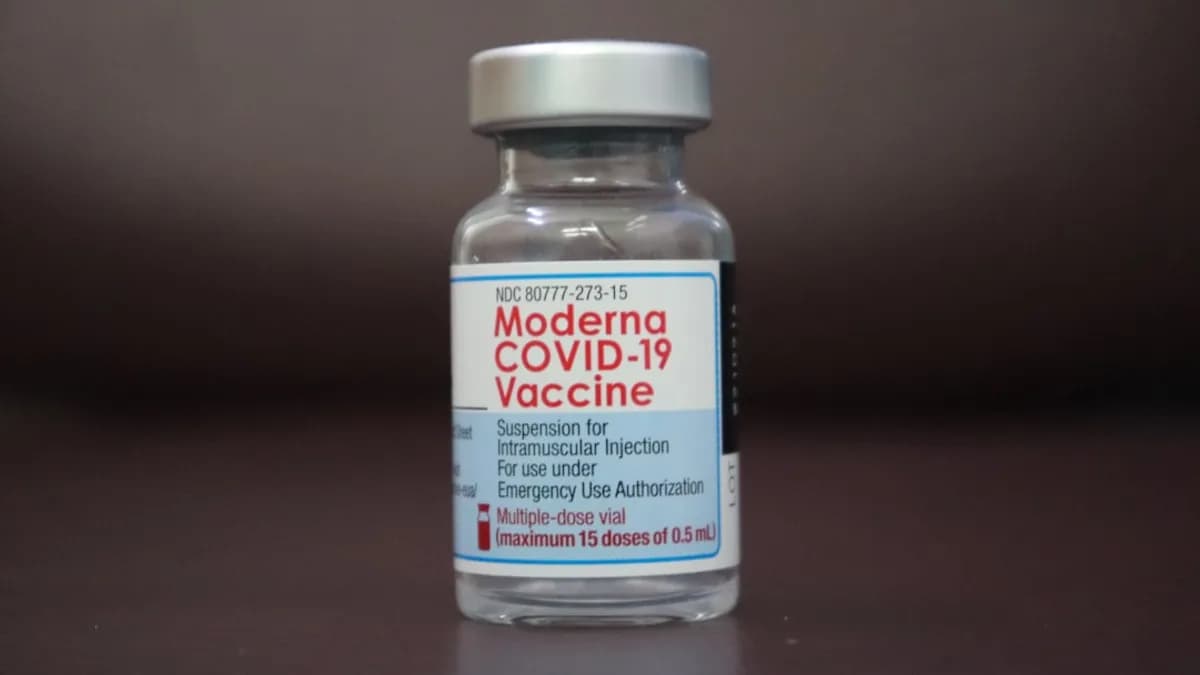
What’s in a name? Plenty, especially in biotechnology, where terminology shapes not only public perception but also policy, regulation, and funding. The words we choose—whether “vaccine” or “therapy,” “Department of Defense” or “Department of War,” “Gulf of Mexico” or “Gulf of America”—carry weight far beyond semantics. For Moderna, a company once synonymous with COVID-19 vaccination, the dilemma of what to call its next-generation mRNA products is emblematic of a larger challenge: how language influences acceptance and trust in science. As Moderna pivots from pandemic-era vaccines toward personalized treatments for flu and emerging pathogens, the debate over what to call these innovations is more than branding—it’s a battle over the soul of modern medicine and its relationship with an increasingly skeptical public [Source: Source].
The Moderna Case: Vaccine or Individualized Therapy?
Moderna’s journey from COVID-19 vaccine maker to pioneer of next-generation mRNA treatments is a case study in how scientific progress collides with public perception. The company’s initial triumph—developing an effective COVID-19 vaccine at record speed—was met with both global acclaim and a wave of skepticism. Now, as Moderna expands its focus to mRNA platforms targeting seasonal flu and emerging infectious diseases, it faces a fresh challenge: what do you call a product that doesn’t fit the traditional mold of a vaccine?
Instead of the all-purpose “vaccine,” Moderna increasingly uses terms like “individualized neoantigen treatment” to describe its new offerings [Source: Source]. This terminology reflects a shift from blanket immunization strategies toward highly personalized approaches, where mRNA technology can be tailored to the unique immune profile of each individual or specific viral threats. The science is innovative—but the naming is crucial. “Vaccine” conjures a familiar process: a shot to prevent illness, often administered en masse. “Therapy,” or “individualized treatment,” implies something more specialized, perhaps for those already sick, or at higher risk.
This semantic shift has real-world implications. Regulators have established pathways for approving vaccines, with well-defined criteria and public health infrastructure ready to support mass immunization campaigns. Therapies, particularly individualized ones, often face more complex regulatory hurdles, and may not enjoy the same funding or logistical support. For Moderna, framing its mRNA products as therapies could mean navigating a more challenging approval landscape, potentially limiting access and slowing innovation. On the other hand, distancing itself from the baggage of the “vaccine” label could open doors to new markets and partnerships, while sidestepping the resistance that has grown during and after the pandemic [Source: Source].
The Impact of Vaccine Skepticism on Moderna’s Strategy
Vaccine hesitancy, fueled by misinformation and politicization during the COVID-19 pandemic, has forced companies like Moderna to reconsider how they present their products. For many, the word “vaccine” now evokes not just hope and prevention, but also controversy and distrust. This climate has pushed Moderna to experiment with alternative terminology, positioning its mRNA platforms as “therapies” or “individualized treatments” rather than vaccines [Source: Source].
Is this simply a marketing maneuver, or a genuine attempt to redefine the future of immunization? The answer is nuanced. By rebranding, Moderna may be seeking to circumvent entrenched resistance and reach populations wary of vaccines. “Therapy” suggests intervention after diagnosis, rather than prevention—a distinction that could make mRNA treatments more palatable to skeptics. However, this approach carries risks. Changing the language doesn’t erase underlying concerns, and may even deepen confusion or suspicion if the public perceives it as an attempt to obscure the truth.
Moreover, there are benefits to this semantic shift. It could allow Moderna to tap into new funding streams aimed at personalized medicine, and align with regulatory trends favoring precision therapies. Yet, the danger is that public health messaging becomes fragmented. If the population is unclear about what these mRNA products actually do—prevent disease, treat it, or both—uptake could suffer and trust may erode further. For Moderna, the challenge is to strike a balance: embracing innovation in both science and communication, without losing sight of the responsibility to inform and protect the public [Source: Source].
The Broader Implications of Scientific Terminology in Public Discourse
The Moderna dilemma is not unique. Throughout history, naming conventions in science and government have shaped both policy and public opinion. The transition from the “Department of War” to the “Department of Defense” softened perceptions of militarism; “global warming” gave way to “climate change,” reframing the urgency of environmental action. These shifts illustrate how language can build trust, but also sow confusion if not handled transparently.
In the realm of biotechnology, clear and accurate terminology is essential. When companies or policymakers rebrand scientific concepts to navigate social resistance, they risk undermining public confidence. The public needs to understand what a product does, why it matters, and how it affects their health. Strategic renaming may offer temporary relief from controversy, but at the cost of long-term credibility. Clarity, honesty, and transparency must guide communication—especially when the stakes are as high as they are with emerging medical technologies [Source: Source].
Conclusion: Navigating the Naming Paradox for Future Innovation
Moderna’s struggle with terminology underscores a broader challenge facing the biotech industry: how to foster trust and drive innovation in a landscape shaped by skepticism. Names matter—not just for branding, but for building understanding and guiding policy. As mRNA technology evolves, honest communication must be prioritized over clever rebranding. A balanced approach that respects scientific accuracy while addressing public concerns will be critical for the success of personalized medical interventions. Ultimately, the path forward lies not just in what we call these products, but in how we explain their value, safety, and role in public health [Source: Source].