Introduction: Breakthrough in HIV Treatment with the 'Oslo Patient'
A remarkable medical milestone has captured the attention of the global scientific community: the reported functional cure of HIV in the so-called "Oslo patient," a man who received a stem cell transplant from his brother, who is genetically resistant to the virus [Source: Source]. This case adds to a small but growing list of individuals who have achieved long-term remission or apparent cure of HIV following bone marrow transplantation—a procedure initially developed to treat blood cancers, not viral infections. The most famous of these cases remains the "Berlin patient," whose cure over a decade ago galvanized HIV research worldwide.
The Oslo patient’s story is significant not just for its rarity, but for what it reveals about the interplay of genetics, immunology, and advanced medical interventions in the fight against HIV. This article explores the medical background behind such cures, details of the Oslo patient's case, and the broader implications for HIV treatment and research.
Medical Background: Understanding HIV and Stem Cell Transplants
HIV (human immunodeficiency virus) attacks the immune system, specifically targeting CD4+ T cells, which are vital for coordinating immune responses. Over time, untreated HIV infection leads to a progressive loss of immune function, culminating in AIDS (acquired immunodeficiency syndrome). Modern antiretroviral therapy (ART) can suppress the virus to undetectable levels but does not eradicate it, as HIV persists in latent reservoirs within the body.
Stem cell transplants, or hematopoietic stem cell transplantation (HSCT), are a well-established treatment for certain blood cancers such as leukemia and lymphoma. The procedure involves destroying the patient’s diseased bone marrow with chemotherapy or radiation, then replacing it with healthy stem cells from a donor. These new cells repopulate the patient’s blood and immune system.
A pivotal factor in using stem cell transplants as an HIV cure strategy is the genetic makeup of the donor. Some individuals carry a rare mutation known as CCR5-delta 32, which alters the CCR5 receptor on immune cells. HIV commonly uses this receptor to enter and infect cells; those with two copies of the mutation (homozygous) are highly resistant to most strains of HIV. When stem cells from such a donor are transplanted, the recipient’s new immune system may become similarly resistant to HIV infection.
In the Oslo patient’s case, his brother’s natural resistance—due to the CCR5-delta 32 mutation—was fundamental. By receiving stem cells from his sibling, the patient not only treated his underlying blood disorder but also replaced his immune system with one that HIV could not effectively infect [Source: Source].
The 'Oslo Patient' Case: Details and Significance
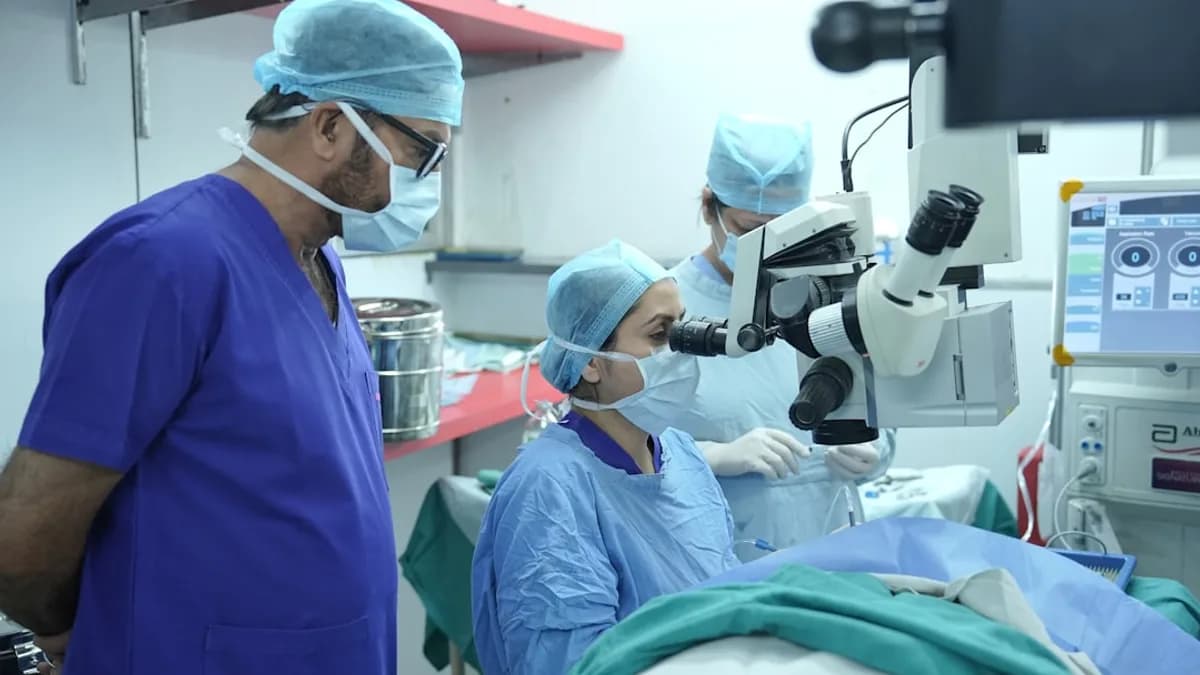
The Oslo patient, a Norwegian man living with HIV, also suffered from a blood cancer that necessitated a stem cell transplant. His brother was identified as a compatible donor and, crucially, was homozygous for the CCR5-delta 32 mutation, making his immune cells highly resistant to HIV [Source: Source]. The transplant procedure followed standard protocols for treating hematological malignancies: the patient’s immune system was ablated, and his brother’s stem cells were infused to rebuild his blood and immune systems.
Following the transplant, the patient continued to receive intensive medical monitoring. Notably, after discontinuing antiretroviral therapy, no detectable HIV was found in his blood, nor was there evidence of the virus in various tissues after extensive testing. These results suggest the patient has achieved a "functional cure," meaning the virus is no longer detectable or able to cause disease, even in the absence of ongoing medication.
The Oslo patient’s case draws clear parallels to earlier, high-profile cases. The Berlin patient (Timothy Ray Brown) was the first person reported cured of HIV after a similar transplant from a donor with the CCR5-delta 32 mutation. Subsequent instances—the London and Düsseldorf patients—also involved transplants from CCR5-delta 32 homozygous donors. However, the Oslo patient stands out because his donor was a sibling, which may have reduced immune complications such as graft-versus-host disease and improved the overall outcome [Source: Source].
While these cases are compelling, it is important to note the rarity: only about 1% of people of European descent carry two copies of the CCR5-delta 32 mutation, and stem cell transplantation remains a complex, high-risk procedure.
Scientific and Clinical Implications
The Oslo patient’s apparent cure offers both hope and important lessons for the field of HIV research. Firstly, it reinforces the principle that eliminating the CCR5 receptor from a patient’s immune system can prevent HIV from re-establishing infection—a finding that continues to inspire gene-editing efforts aimed at replicating this effect without the risks of transplantation.
However, the approach is not easily scalable. Stem cell transplants are typically reserved for individuals with life-threatening blood cancers due to their significant risks, including life-threatening infections, organ damage, and graft-versus-host disease. Transplants from genetically resistant donors are even less common due to the scarcity of suitable donors.
Moreover, the strategy is not universally applicable. Some strains of HIV can use alternative receptors, such as CXCR4, to infect cells. There is also the challenge of finding a donor who is both a genetic match and carries the CCR5-delta 32 mutation, especially outside populations where the mutation is prevalent [Source: Source].
Despite these hurdles, the Oslo patient’s case provides a proof-of-concept, invigorating research into alternative ways to mimic this resistance. Gene editing technologies—such as CRISPR—are being explored to engineer CCR5-delta 32 mutations directly into patients’ own immune cells. Other strategies include immune modulation and "shock and kill" approaches to eliminate latent viral reservoirs.
In sum, while stem cell transplantation is unlikely to become a mainstream HIV cure, the underlying principles continue to drive innovation in both gene therapy and immunotherapy.
Ethical and Practical Considerations
The Oslo patient’s journey highlights several ethical and practical issues. The use of a sibling as a donor raises complex questions about informed consent, potential pressure on family members, and the risks posed to healthy individuals undergoing stem cell donation procedures. While the risks of donation are lower than those associated with the recipient’s experience, they are not negligible.
Accessibility and cost also present significant barriers. Stem cell transplantation is a highly specialized, expensive procedure available mainly in advanced medical centers. For the vast majority of the 38 million people living with HIV globally, such interventions are neither feasible nor necessary, given the effectiveness of ART in controlling the virus [Source: Source]. The focus on rare curative cases should not overshadow the need for accessible, durable treatments.
There is also a risk of generating unrealistic hope. While each new case is a cause for celebration and scientific advancement, it is crucial to communicate the limitations and risks involved. Ongoing monitoring and long-term follow-up are essential to verify the durability of the cure and to detect any signs of viral rebound.
Conclusion: Future Directions in HIV Cure Research
The Oslo patient’s apparent functional cure of HIV marks an encouraging development at the intersection of genetics, hematology, and infectious disease research. While not a solution for all, it demonstrates that a cure is scientifically possible under specific circumstances. The case underscores the importance of continued research, including clinical trials of gene editing and immunotherapies that aim to recreate the protective effect of the CCR5-delta 32 mutation without the risks of transplantation [Source: Source].
Future progress will depend on multidisciplinary collaboration, combining insights from genetics, virology, immunology, and bioethics. Ultimately, the lessons learned from cases like the Oslo patient may help shape strategies that, one day, could provide a scalable, safe, and accessible cure for HIV on a global scale.