Introduction: Revisiting the Dawn of Human Creativity
In a world dominated by digital art and immersive cinematic experiences, it’s easy to forget that the roots of human creativity stretch back tens of thousands of years. Over 32,000 years ago, long before written language or recorded history, our ancestors etched and painted images onto the limestone walls of the Chauvet Cave in southern France. These are the world’s oldest known paintings—testaments to a culture we are only beginning to understand. Their discovery in 1994 was nothing short of revolutionary, offering a window into the minds and spirits of early humans [Source: Source].
More than a decade after this remarkable find, filmmaker Werner Herzog was granted rare access to this fragile, highly restricted site. His 3D documentary, Cave of Forgotten Dreams, brought these mysterious works to life for a global audience. Now, as the film returns in breathtaking 6K IMAX, it’s worth reflecting on what this journey—from prehistoric pigment to state-of-the-art projection—means for our cultural heritage and our connection to the distant past.
The Timeless Power of Prehistoric Art
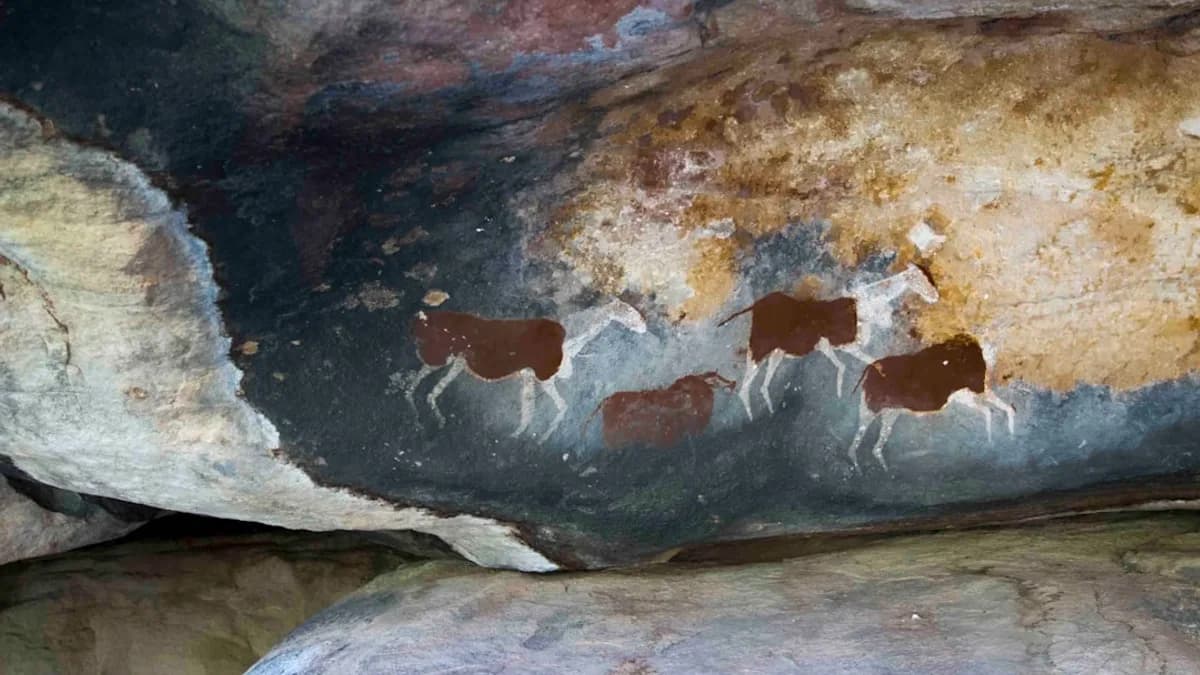
The Chauvet Cave paintings exert a profound emotional pull on those who view them, whether in person or through the lens of Herzog’s camera. These images—bison charging, lions stalking, hands silhouetted against stone—transcend the millennia. They remind us that the need to create, to communicate, and to seek meaning through art is as old as humanity itself. The artists who crawled into the darkness with flickering torches and natural pigments were not so different from us; they were driven by curiosity, imagination, and a desire to leave a mark on the world.
Herzog’s film captures this connection with extraordinary sensitivity. With his distinctive narration, he describes the caves as the “birthplace of the modern human soul,” evoking the idea that our ability to imagine and depict realities beyond the immediate is what makes us truly human [Source: Source]. In today’s context—when we are bombarded with images and content at every turn—the simplicity and power of these ancient drawings offer a moment of reflection. They are a reminder of the universality of art, its role in shaping culture, and its enduring relevance.
Art, at its core, is a fundamental human need. The Chauvet paintings are not mere decorations; they are expressions of awe, spirituality, and community. They invite us to contemplate our shared ancestry and the ways in which creativity has always been a bridge between individuals, generations, and cultures. In their presence, we recognize that the impulse to create and to tell stories is not a product of modernity, but a defining characteristic of our species.
From Cave Walls to 6K IMAX: The Evolution of Art Presentation
The leap from pigment on limestone to 6K IMAX projection is staggering—a technological journey spanning more than 30,000 years. In Herzog’s Cave of Forgotten Dreams, cutting-edge 3D cameras were used to capture the delicate contours and subtle coloration of the Chauvet artworks, all while preserving the fragile cave environment [Source: Source]. This fusion of innovation and reverence sets a standard for how technology can serve, rather than exploit, our cultural treasures.
High-definition formats like 6K IMAX do more than simply magnify these ancient images; they provide an immersive experience that brings viewers as close as possible to the original context. The play of shadow and light, the undulating cave walls, the sense of enclosure and awe—these are elements that traditional reproductions or photographs cannot fully convey. Through advanced cinematic techniques, Herzog’s documentary invites us to step into the shoes of those first artists, to see through their eyes and feel the world as they did.
Yet, this technological mediation raises important questions about authenticity and experience. Can a digitally enhanced, large-scale projection ever truly replicate the intimacy and mystery of the original site? Perhaps not completely—but it can democratize access, allowing people around the world to engage with humanity’s earliest masterpieces without endangering their preservation. In this sense, technology becomes a bridge rather than a barrier, expanding the audience for ancient art and deepening our collective appreciation for its significance.
The challenge, of course, is to strike a balance between enhancing engagement and maintaining fidelity to the source. Herzog’s approach—marked by restraint, respect, and a refusal to sensationalize—offers a model for future projects. The goal should not be to overwhelm or distract, but to reveal and illuminate, fostering a sense of wonder and connection that transcends time.
Why the Chauvet Cave Documentary Still Resonates Today
Fifteen years since its premiere, Cave of Forgotten Dreams continues to captivate audiences and inspire debate. Its cult status is due in no small part to Herzog’s unique narrative style—at once philosophical, poetic, and slightly eccentric—which invites viewers to contemplate not only the art on the walls, but the larger questions of human existence [Source: Source]. His musings on the meaning of creativity, the fleeting nature of life, and the mysteries of consciousness elevate the film beyond mere documentation.
The documentary has also played a vital role in sparking renewed interest in human origins, art history, and anthropology. By bringing the Chauvet paintings into the public eye, Herzog has made the distant past feel immediate and relevant. For many viewers, the film serves as a gateway—to museums, books, and other explorations of prehistoric culture.
In an era marked by rapid technological change and cultural fragmentation, Cave of Forgotten Dreams stands as a reminder of our deep-rooted connections. It encourages us to look beyond the distractions of the present and consider the long arc of human creativity. The enduring appeal of the documentary lies in its ability to evoke both awe and empathy, inviting us to see ourselves in the shadowy outlines of our ancient ancestors.
Opinion: The Enduring Dialogue Between Past and Present
Preserving and showcasing ancient art is not just a matter of historical interest; it is an ethical and cultural imperative. The Chauvet Cave paintings are irreplaceable artifacts, but they are also living symbols—of resilience, imagination, and the enduring human spirit. By leveraging technology and storytelling, we can ensure that these images continue to resonate with new generations.
Personally, I believe that the fusion of ancient art and modern innovation is one of the most exciting developments in our approach to heritage. When done thoughtfully, technology does not diminish the authenticity of these works; rather, it amplifies their impact and fosters a deeper sense of connection. Through immersive documentaries, virtual reality experiences, and high-fidelity reproductions, we can cultivate both respect for the past and curiosity about our origins.
But this opportunity comes with responsibility. We must continue to explore, document, and share the treasures of prehistory—but always with sensitivity and care. Access should not come at the expense of preservation; engagement should not give way to exploitation. The story of Chauvet and its cinematic revival is a testament to what can be achieved when science, art, and ethics converge.
Ultimately, the dialogue between past and present is ongoing. Each generation inherits the task of interpreting, protecting, and celebrating the legacy of those who came before. By embracing both tradition and innovation, we enrich our understanding of what it means to be human and reaffirm our place in the grand narrative of creativity.
Conclusion: Bridging Millennia Through Art and Innovation
The journey from the shadowy recesses of Chauvet Cave to the luminous expanse of a 6K IMAX screen is more than a triumph of technology; it is a celebration of human ingenuity across the ages. These paintings, once hidden from view for tens of thousands of years, now invite millions to share in their mystery and beauty. They are a timeless link—a reminder that art is both a record and a catalyst, shaping who we are and who we strive to become.
As we stand at the intersection of ancient tradition and modern innovation, we are called to engage with art in all its forms, old and new. By honoring the legacy of our earliest artists and harnessing the tools of today, we can ensure that the conversation between past and present endures, inspiring wonder for generations to come. Through this dialogue, we find not only our history, but our shared humanity.