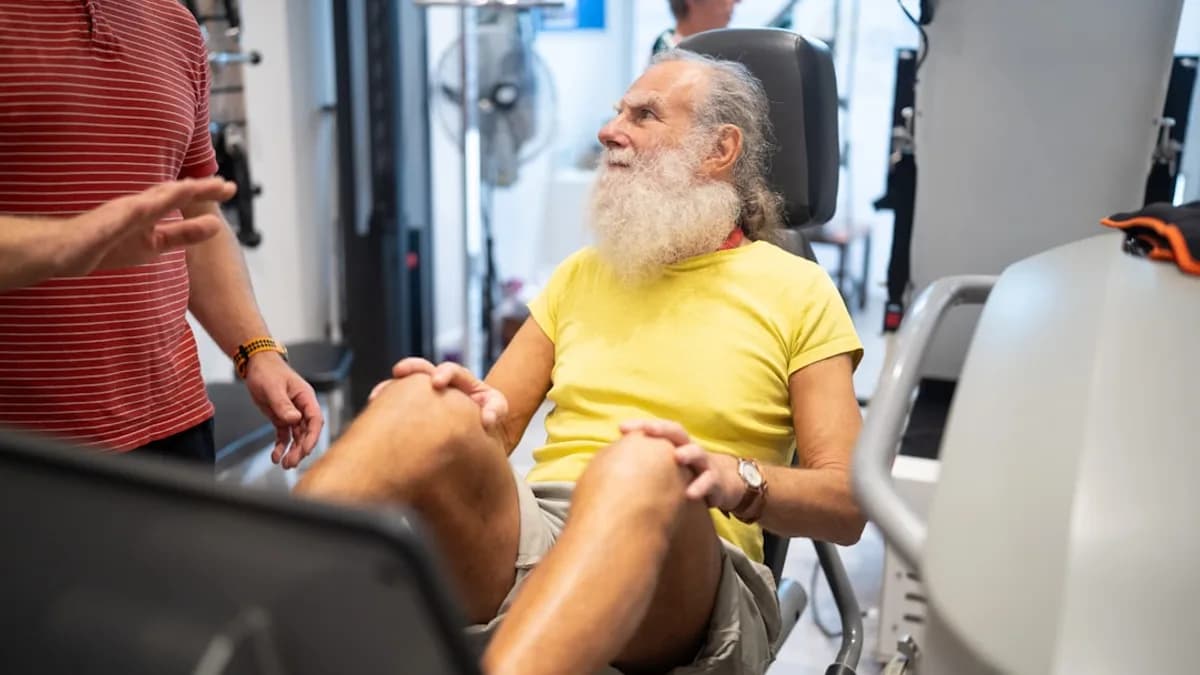
Introduction: The Link Between Exercise and Cancer Prevention
Cancer remains one of the most significant health challenges worldwide, accounting for millions of new cases and deaths each year. While advancements in medical treatments have improved outcomes for many patients, prevention remains a crucial strategy in the fight against cancer. Among various lifestyle factors, physical activity stands out as a powerful tool for reducing cancer risk. As an oncologist, I see firsthand how exercise can influence both the likelihood of developing cancer and the recovery process after diagnosis. The science is clear: regular physical activity not only helps prevent certain cancers, but it also improves overall health and quality of life, making it a recommendation I give to patients and anyone looking to lower their cancer risk [Source: Source].
Understanding How Exercise Influences Cancer Risk
The connection between exercise and cancer risk is rooted in several biological mechanisms. First, physical activity helps regulate hormone levels, particularly estrogen and insulin, which are associated with the development of certain cancers. High levels of estrogen have been linked to breast and endometrial cancers, while elevated insulin can increase the risk of colon and other cancers. Exercise helps lower these hormone levels, thereby reducing cancer risk [Source: Source].
Another critical factor is immune function. Regular physical activity enhances the body’s immune system, making it more effective at detecting and destroying cancer cells before they can multiply. Exercise also reduces chronic inflammation, a condition linked to the initiation and progression of various cancers. Persistent inflammation can damage cells and DNA, increasing the likelihood of cancerous changes. By reducing inflammation, exercise provides a protective effect.
Body weight and metabolism play a central role in cancer prevention. Obesity is a known risk factor for multiple cancers, including breast, colorectal, and pancreatic. Exercise helps maintain a healthy weight by increasing energy expenditure and improving metabolic health. Even moderate physical activity, such as brisk walking, can significantly reduce cancer risk by supporting weight management and metabolic balance [Source: Source].
Scientific evidence supports these mechanisms. Large-scale studies have shown that physically active individuals have a lower risk of developing cancers such as colon, breast, and endometrial compared to their sedentary peers. For example, research cited by the American Cancer Society indicates that regular exercise can lower the risk of colon cancer by up to 24% and breast cancer by up to 12% [Source: Source]. The benefits are not limited to prevention; exercise also improves survival rates and outcomes in cancer patients.
Exercise as Part of Cancer Recovery and Recurrence Prevention
Physical activity doesn’t just help prevent cancer—it’s also an important part of recovery and reducing the risk of recurrence. Programs like the one in South Florida demonstrate how structured exercise regimens can aid cancer patients in regaining strength, mobility, and confidence after treatment [Source: Source]. These programs often incorporate aerobic activity, resistance training, and flexibility exercises tailored to individual needs and abilities.
Regular exercise after a cancer diagnosis has been shown to reduce the risk of recurrence. Engaging in consistent physical activity can lower the chances of cancer returning by improving immune surveillance, reducing inflammation, and maintaining healthy hormone levels. It also helps manage comorbidities like diabetes and heart disease, which can complicate recovery and long-term health.
One of the most common challenges facing cancer patients is fatigue—a persistent, overwhelming tiredness that can last for months or even years after treatment. Exercise is one of the most effective interventions for cancer-related fatigue. The American Cancer Society notes that activities like walking, cycling, and gentle yoga can help reduce fatigue, improve mood, and boost energy levels [Source: Source]. Beyond physical benefits, exercise supports mental health by reducing anxiety, depression, and stress, thereby enhancing overall quality of life.
Practical Exercise Recommendations for Cancer Prevention and Recovery
So, what types of exercise are most beneficial for lowering cancer risk and supporting recovery? Both aerobic (cardiovascular) and strength training exercises play important roles. Aerobic activities such as walking, jogging, swimming, or cycling are excellent for improving heart health, boosting metabolism, and reducing inflammation. Strength training—using weights, resistance bands, or bodyweight exercises—helps maintain muscle mass, support bone health, and regulate hormone levels.
For cancer prevention, current guidelines recommend at least 150 minutes of moderate-intensity aerobic activity or 75 minutes of vigorous activity per week, combined with two sessions of strength training [Source: Source]. Even small increases in activity can yield health benefits, so starting slowly and gradually increasing exercise duration and intensity is key.
Cancer patients and survivors should approach exercise with caution, especially if they are recovering from surgery or experiencing side effects from treatment. It’s important to consult a healthcare provider before beginning any new exercise program. Here are some practical tips:
- Start slow: Begin with low-impact activities like walking or gentle stretching.
- Listen to your body: Rest when needed and avoid pushing through pain or severe fatigue.
- Set realistic goals: Aim for consistency rather than intensity, focusing on regular movement.
- Seek support: Join group classes or programs designed for cancer patients, such as those offered in South Florida [Source: Source].
- Stay safe: Use proper footwear, hydrate well, and avoid activities that increase fall risk.
Adapting exercise routines to individual needs ensures that patients and survivors can benefit from physical activity without undue risk.
Conclusion: Embracing Exercise as a Vital Tool Against Cancer
Exercise is a vital, accessible tool in cancer prevention and recovery. Oncologists recommend regular physical activity because it not only lowers cancer risk through hormonal and immune regulation but also supports recovery and improves quality of life for those affected by cancer. Whether you’re aiming to prevent cancer or navigating life after a diagnosis, incorporating exercise into your routine can make a meaningful difference. Consult your healthcare provider for personalized guidance and make movement a priority—your body and mind will thank you. By embracing exercise, we take proactive steps toward better health and a lower risk of cancer [Source: Source].