Introduction: Rethinking the Concept of Nature in a Human-Influenced World
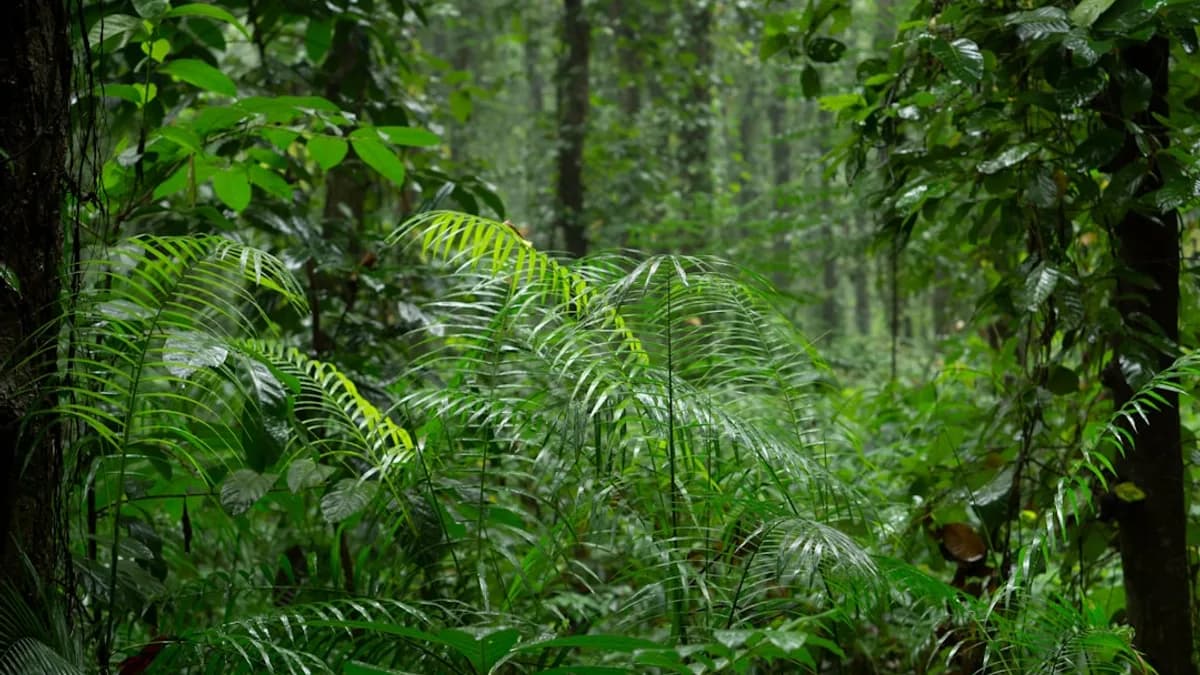
Microplastics have turned up in the Brazilian rainforest—one of the most remote places on Earth [Source: MIT Technology Review]. This isn’t just a science story. It’s a wake-up call. For centuries, people have pictured “nature” as something pure and untouched, a world apart from human cities and roads. When we talk about nature, we think about wild rivers, tall trees, and animals living free. But the truth is, there’s hardly a spot left on the planet where humans haven’t left a mark. Even deep forests and high mountains now carry signs of human life—from tiny bits of plastic to rising temperatures. The old idea of nature as a place without people doesn’t fit anymore. We need to look at the world with fresh eyes and admit that our actions reach far beyond what we can see.
The Myth of Untouched Nature: How Human Activity Has Altered Every Corner of the Earth
People still dream about untouched wilderness, but evidence keeps proving them wrong. In places where few humans ever walk, scientists find traces of us—like microplastics in rainforest soil and Arctic ice [Source: MIT Technology Review]. These tiny bits of plastic come from things we use every day: water bottles, clothing fibers, car tires. Wind and water carry them across continents, so they end up everywhere. Pollution doesn’t stop at borders. Even the air we breathe holds particles from distant factories.
Climate change is another example of how humans have changed the planet. The weather is getting hotter, storms are stronger, and sea levels are rising. Forests shrink as people cut down trees for farming or to build homes. Animals lose their homes and struggle to survive. Coral reefs—once full of life—are fading because of warmer water and pollution.
Microplastics are like a calling card for human activity. They don’t break down easily, so they last for decades. When scientists found microplastics in the Brazilian rainforest, it showed how far our waste travels [Source: MIT Technology Review]. Even places that seem wild and clean aren’t safe from the things we throw away. This proves that the idea of “untouched nature” is more myth than reality. Human impact stretches from city streets to the deepest jungles and the highest peaks.
Why the Idea of 'Pure Nature' No Longer Holds: Philosophical and Environmental Implications
If we keep thinking of nature as something separate from humans, we miss the bigger picture. The old idea says that nature is pure and people are the problem. But that’s not how the world works now. We live in a time where humans shape everything—soil, air, water, and even which animals survive. This means we need new ways to think about protecting the environment. Conservation isn’t just about saving wild places from people. It’s about managing the land we all share, fixing what’s broken, and making better choices.
This shift matters for how we act. If we pretend nature is untouched, we might ignore pollution or climate change. Instead, we should admit our role and take responsibility. Environmental ethics change when we see ourselves as part of nature, not just visitors. We have the power to help or harm every ecosystem. That makes us stewards, not strangers.
For example, rewilding projects—where people help bring back lost species or restore forests—show how humans can play a positive role. But even these efforts need honest thinking. There’s no going back to a world without human influence. Every action leaves a trace, good or bad. The best path forward is to admit this and use our power wisely.
The Role of Microplastics as a Symbol of Human Footprint in Remote Ecosystems
Finding microplastics in the Brazilian rainforest is shocking, but it’s not the only case. Scientists have spotted these plastic bits in the Arctic, deep oceans, and even inside fish and birds. Microplastics are everywhere—on mountain tops, in the soil, and in the water we drink [Source: MIT Technology Review]. They travel through wind and rivers, showing how connected the world really is.
These tiny pieces are proof of global pollution. Every time we wash clothes or drive cars, microplastics break off and start their journey. Even wastewater plants can’t catch all of them. They escape into rivers and end up in faraway places. When rain falls in the rainforest, it brings microplastics from cities hundreds of miles away.
Microplastics don’t just float around—they cause problems. Animals eat them by mistake, which can make them sick. Some plastics carry chemicals that can poison soil and water. When microplastics pile up, they change how plants grow and animals feed. This can hurt whole ecosystems, from tiny bugs to big predators. Scientists worry that microplastics might change food chains and threaten species that depend on clean land and water.
The fact that microplastics reach remote forests is a sign of how deep our footprint goes. It’s not just about litter in cities—it’s about waste spread across the planet, touching every living thing. If we want to protect nature, we must face the truth: our actions matter everywhere.
Moving Forward: Embracing a New Relationship with the Environment
Now that we know nature isn’t untouched, what should we do? First, we need to set new goals for conservation. Instead of dreaming about pure wilderness, we can focus on making the world healthier for people and animals alike. This means cleaning up pollution, restoring forests, and helping wildlife adapt to changes.
One practical step is to cut the use of single-use plastics. Countries can pass laws to ban plastic bags and bottles. Companies can switch to safer materials. People can recycle and choose products that don’t shed microplastics. These changes may seem small, but together, they make a big difference.
We also need to fix damaged places. Replanting trees, cleaning rivers, and helping animals return are good starts. Scientists can track microplastics and find ways to remove them from soil and water. Communities can join forces to protect local environments.
Most of all, we need to spread the word. When people learn how far human impact goes, they are more likely to care and act. Schools, news outlets, and social media can teach about pollution, climate change, and how to help. If everyone takes small steps, the planet can get better.
Conclusion: Accepting Our Role in Shaping the Planet’s Future
There’s no such thing as untouched nature anymore. Everywhere you look, signs of human life are present—from plastic in rainforests to heat waves in the Arctic [Source: MIT Technology Review]. This isn’t reason to give up. It’s a call to step up and own our part in the world. If we want a healthy planet, we must act with care and courage. By rethinking what nature means and working together to fix what’s broken, we can leave a better mark for future generations. Nature isn’t something separate—it’s something we share. It’s time to treat it like it matters.
Why It Matters
- Microplastics in remote rainforests reveal that human pollution reaches even the most isolated parts of Earth.
- The traditional idea of untouched nature is outdated, as all environments now show signs of human influence.
- Recognizing our widespread impact is crucial for making informed decisions about conservation and environmental responsibility.